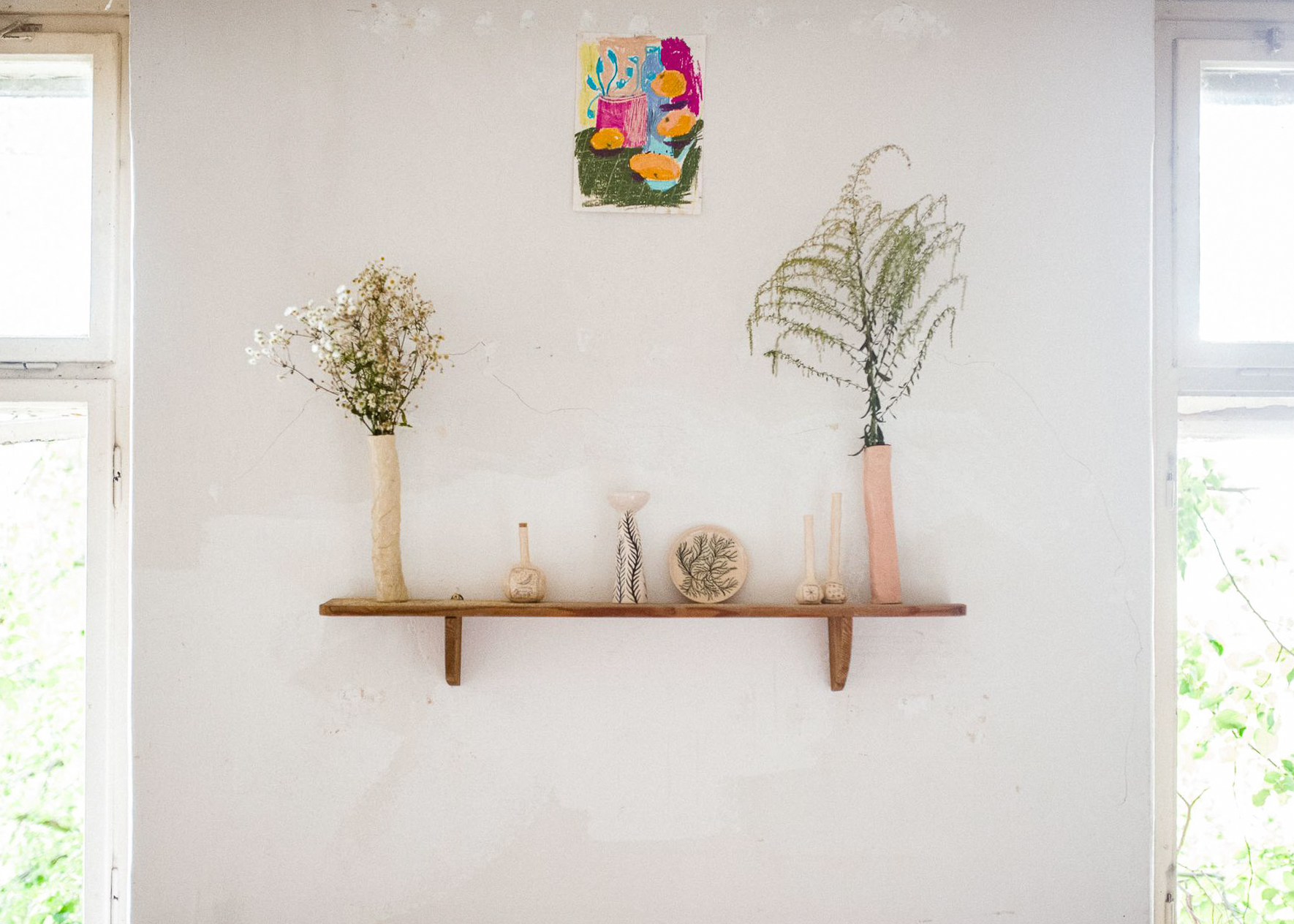


2025 Světová 1 Gallery, Prague – Palmovka
EXHIBITION
Free Time. A Serious Matter
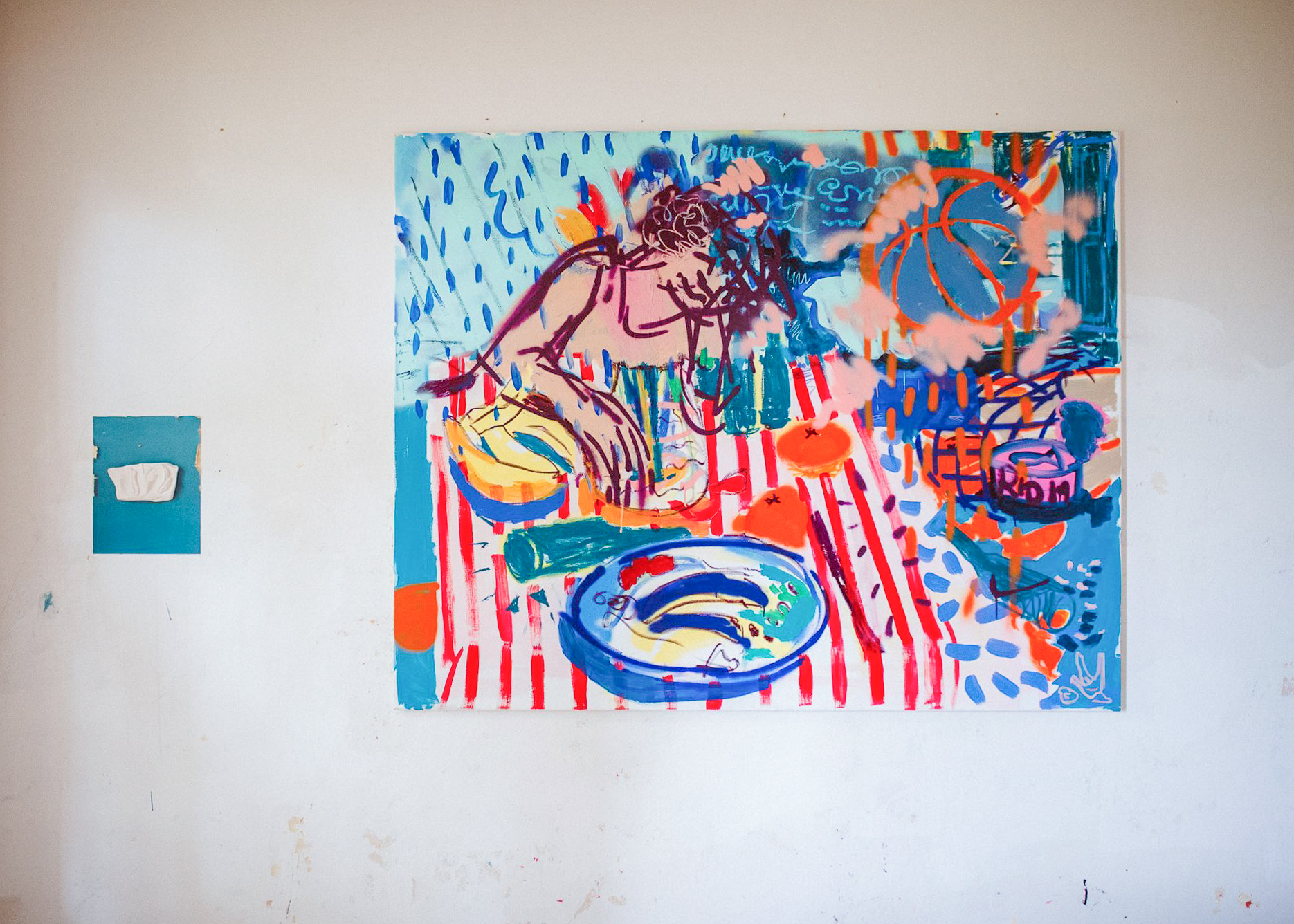
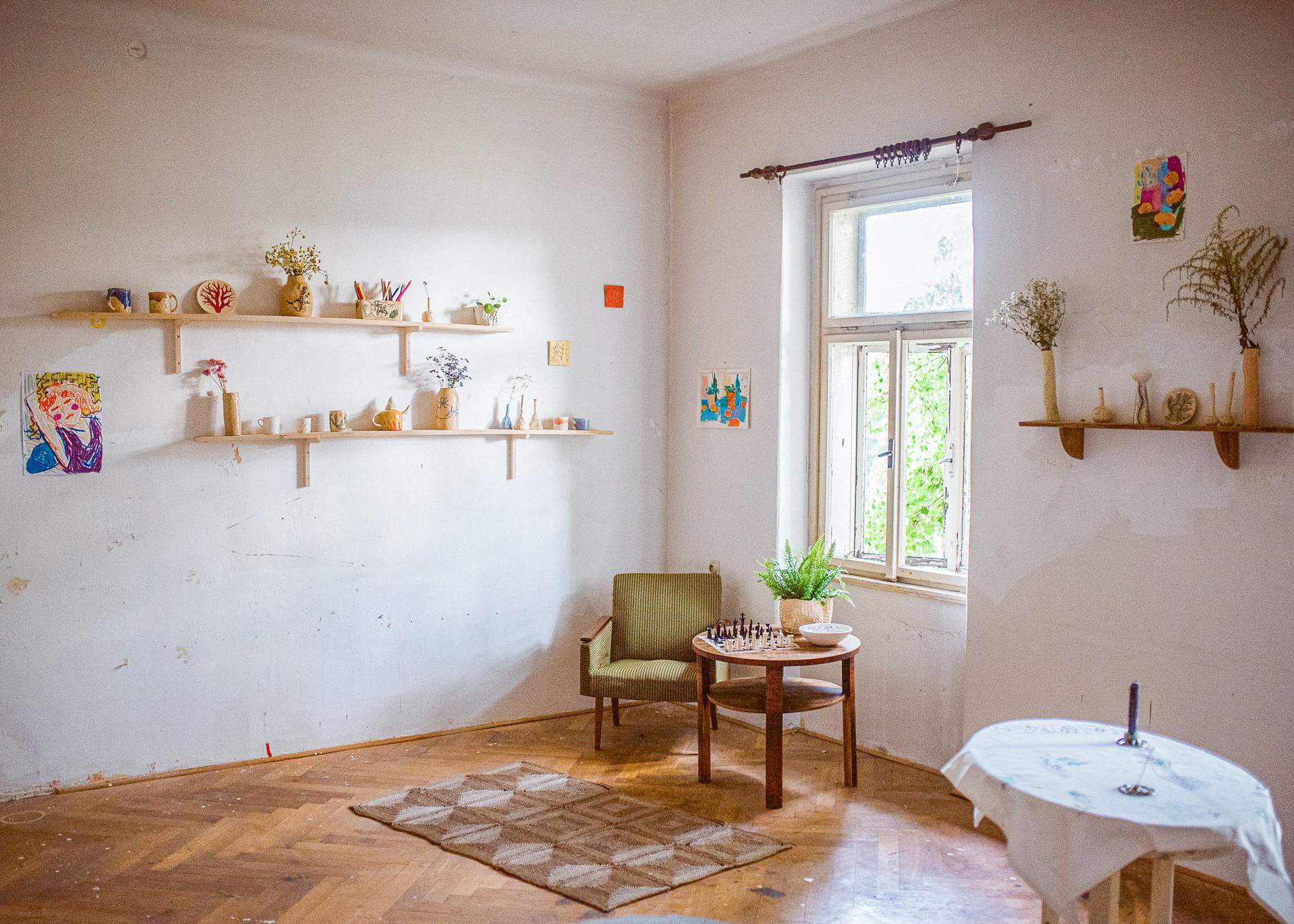
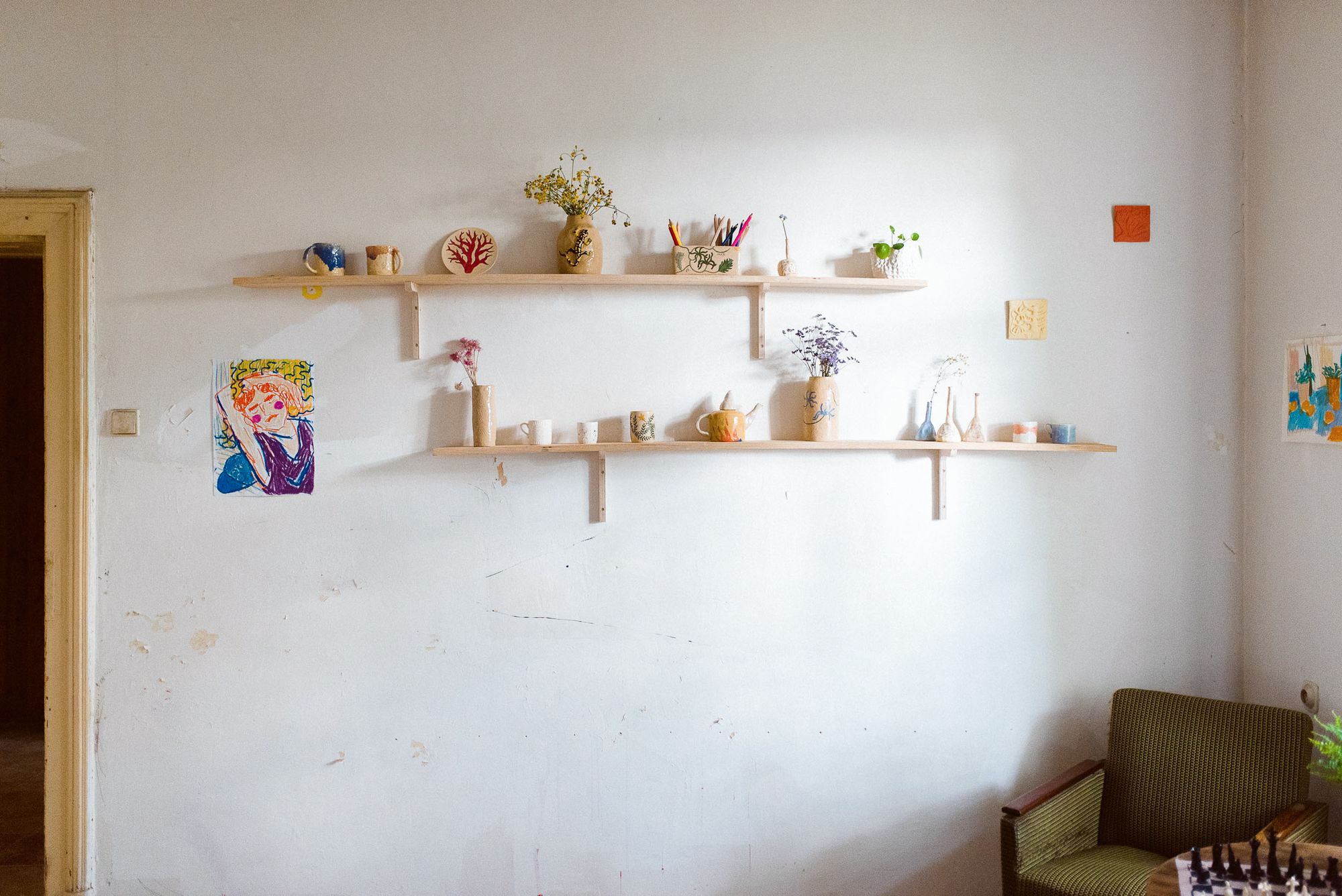
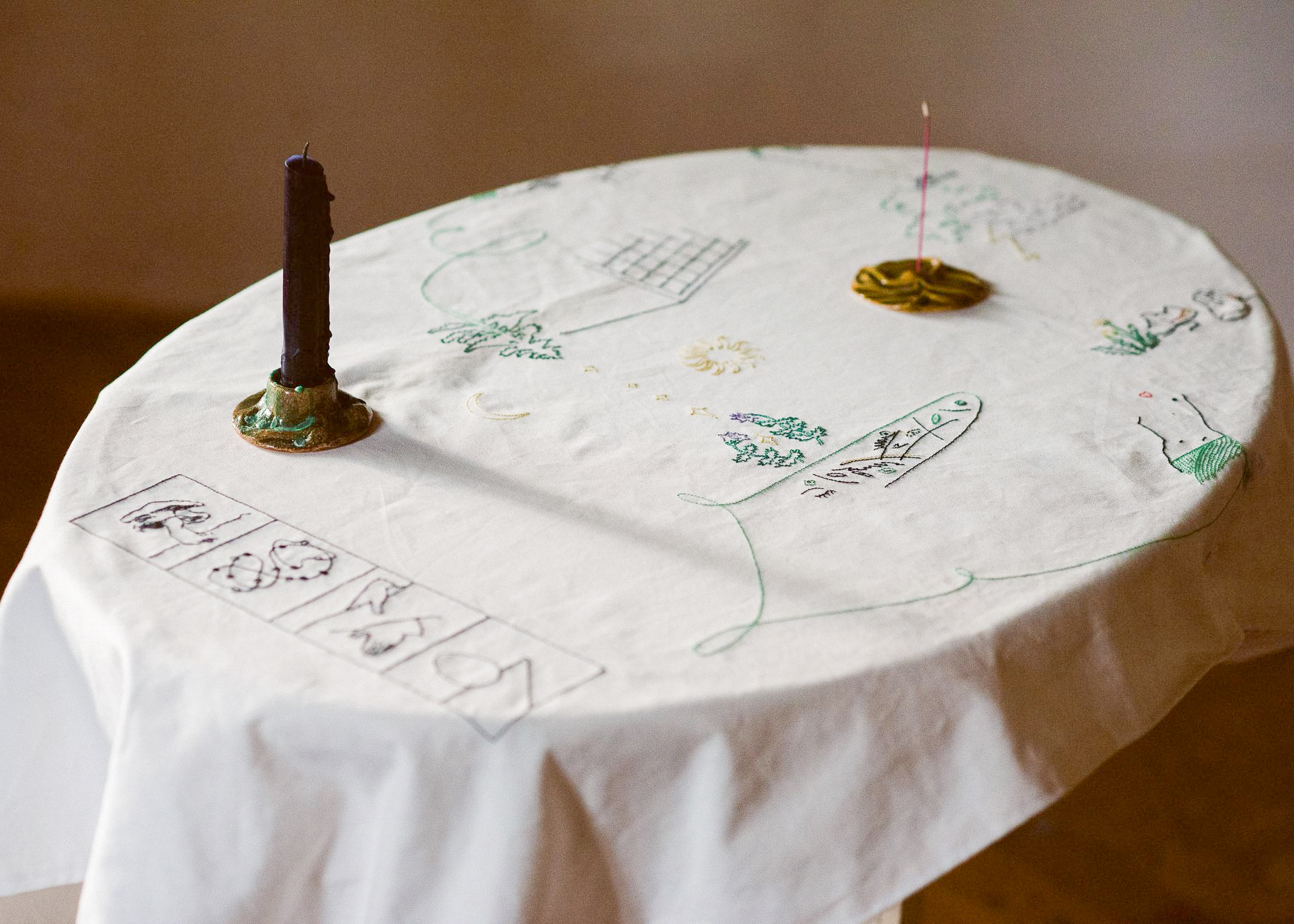
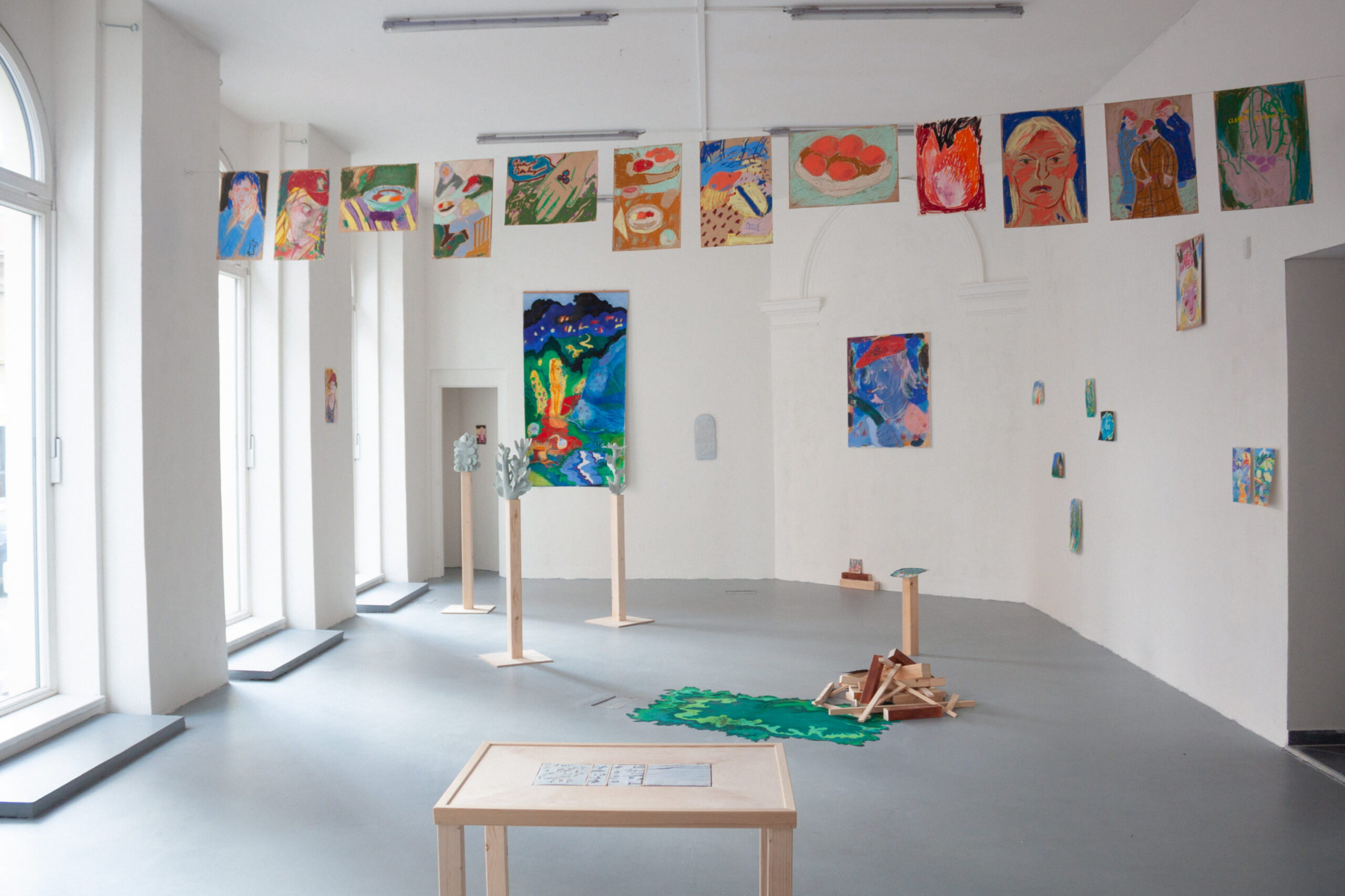
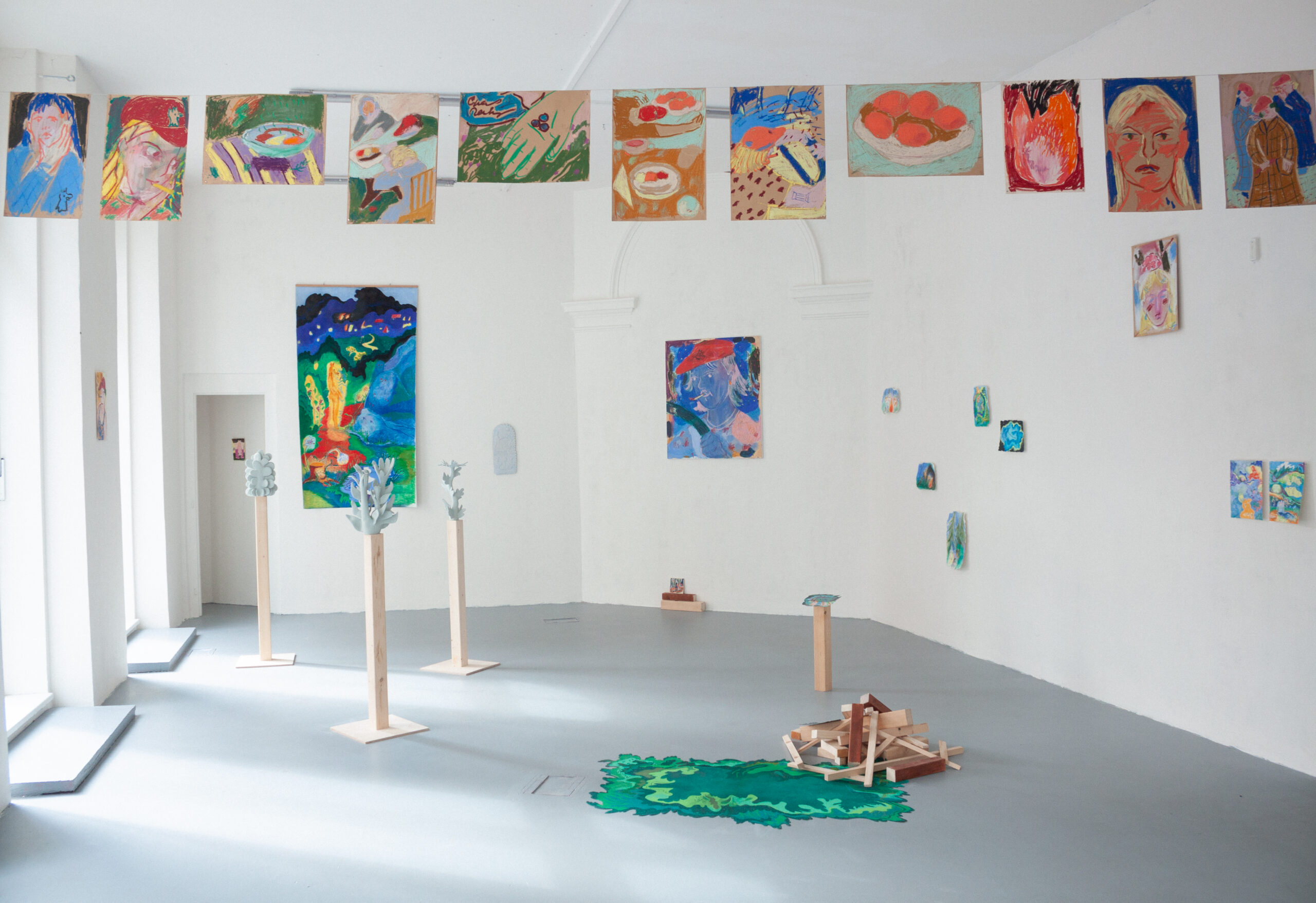
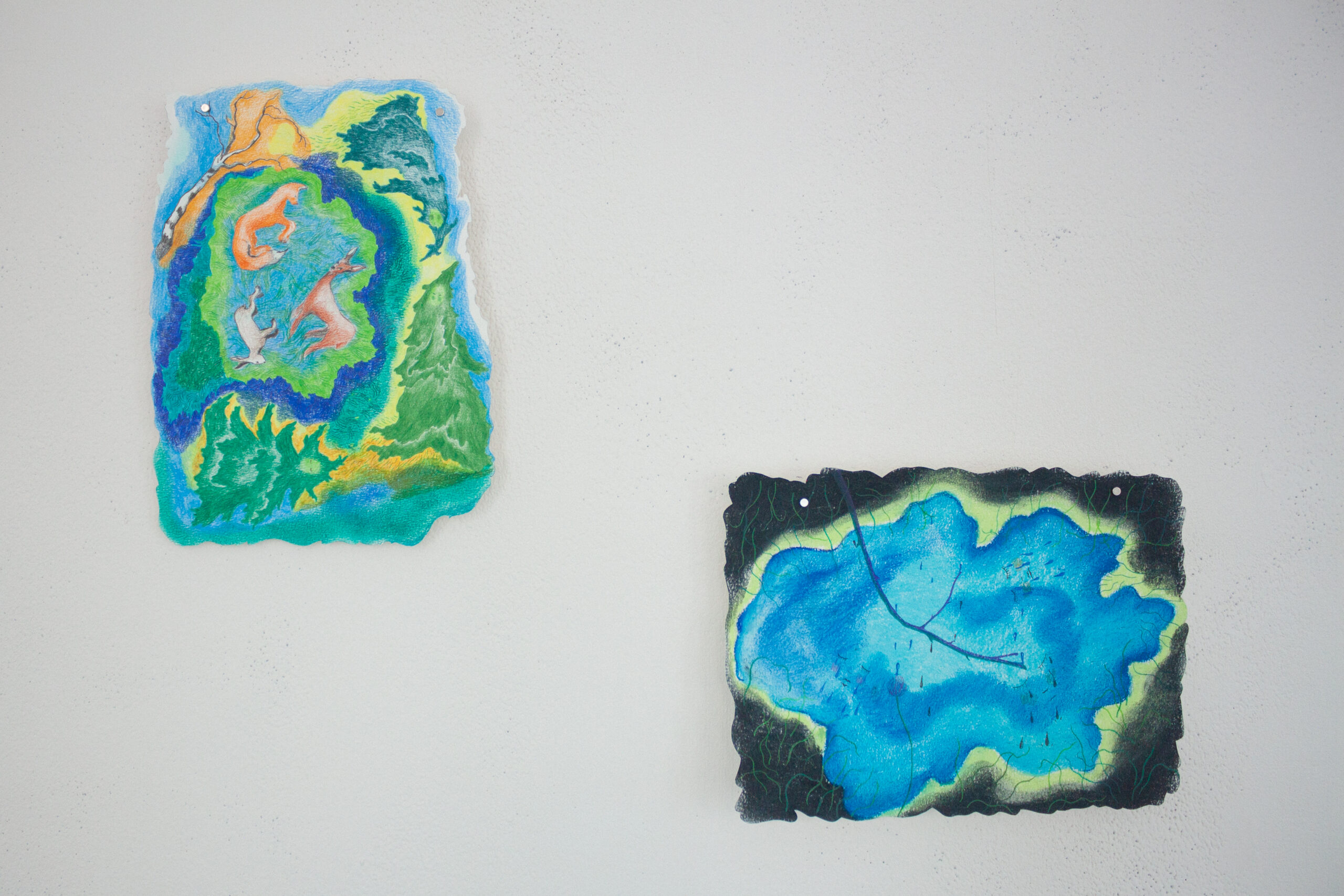
The exhibition Free Time. A Serious Matter is a collective reflection on the reversal of commonly experienced roles, possibilities and fictitious scenarios in which working with Hilda is either the centre of everydayness, or on the contrary its leisurely deviation. The collective moves in between speculation, humour and reflection of its own functioning – it explores the idea of what happens when leisure is taken more seriously than work.
The idea unfolds with both seriousness and irony – through fictional scenarios and alter egos in which the members emerge as truck drivers on a lunch break, as forest animals, or as a triune principle.
The exhibition addresses the contemporary tension between artistic practice and work obligations, exploring possibilities for a different organization of time and for shared responsibility. It is neither an utopia nor a satire, but an open framework in which seriousness and playfulness meet in a collective search for what it means to create, to collaborate, and to exist as a collective – even as a Bambi with an exhibition plan tucked in its pocket.
The topic of tension between work, leisure and time for creation is not new – it continuously comes back in different shapes through generations. The questions regarding the value of work, time dedicated to yourself or the collective, and the space for creation with no claim for output, are kept alive. The exhibition doesn’t offer solutions or instructions, but rather formulates further questions and opens a surface again, in the form of performative situations, free to transformations and micro-fictions.
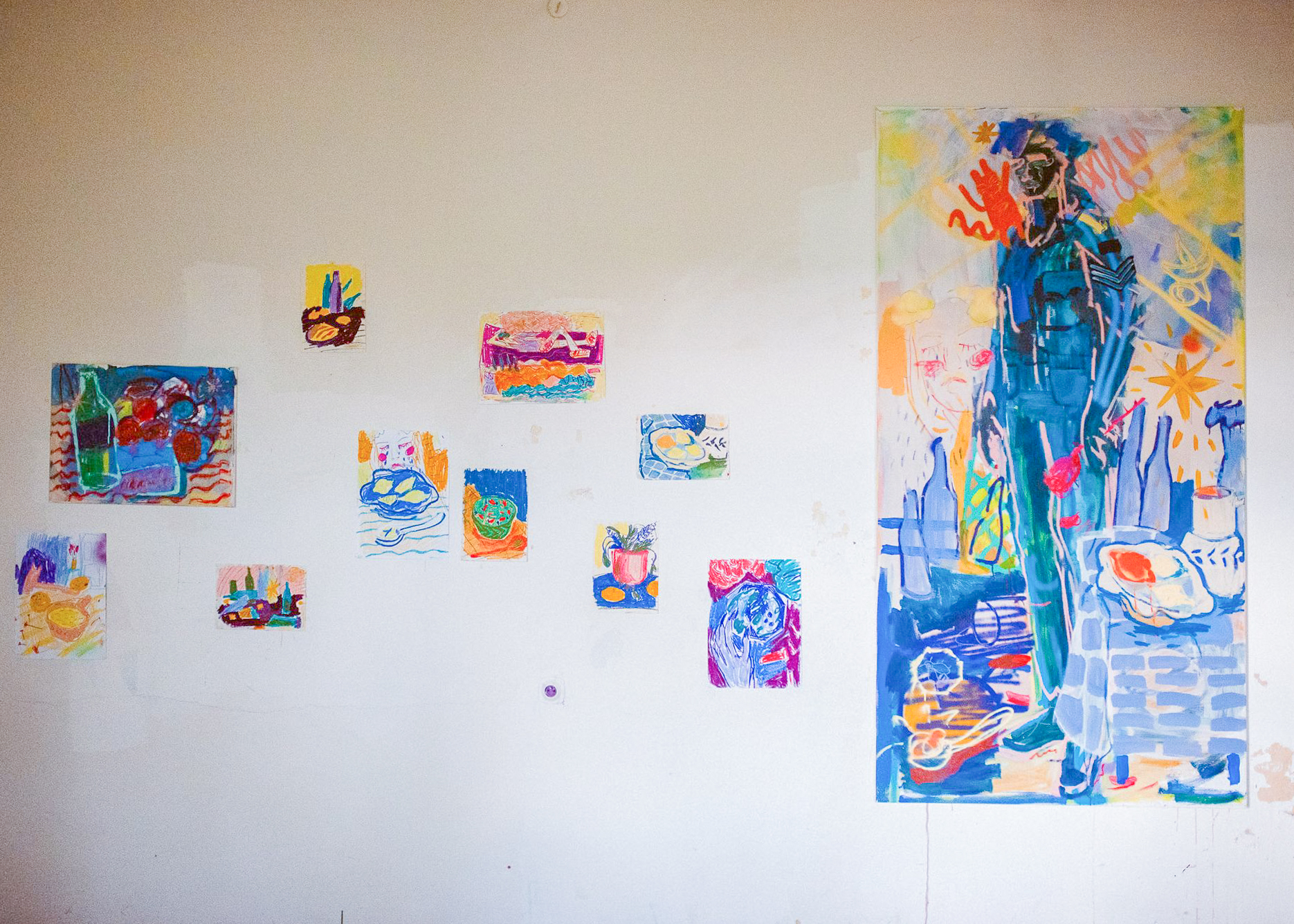
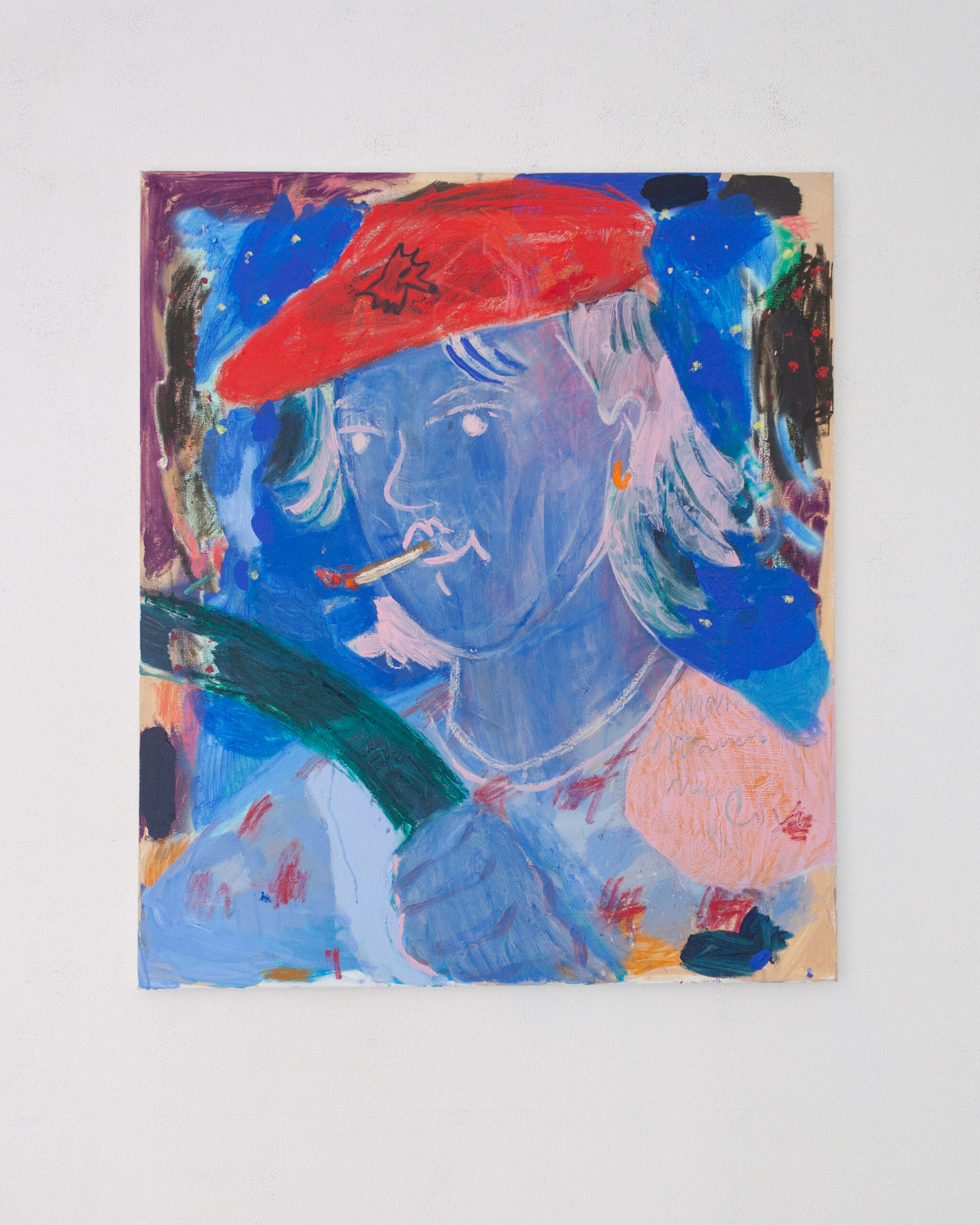
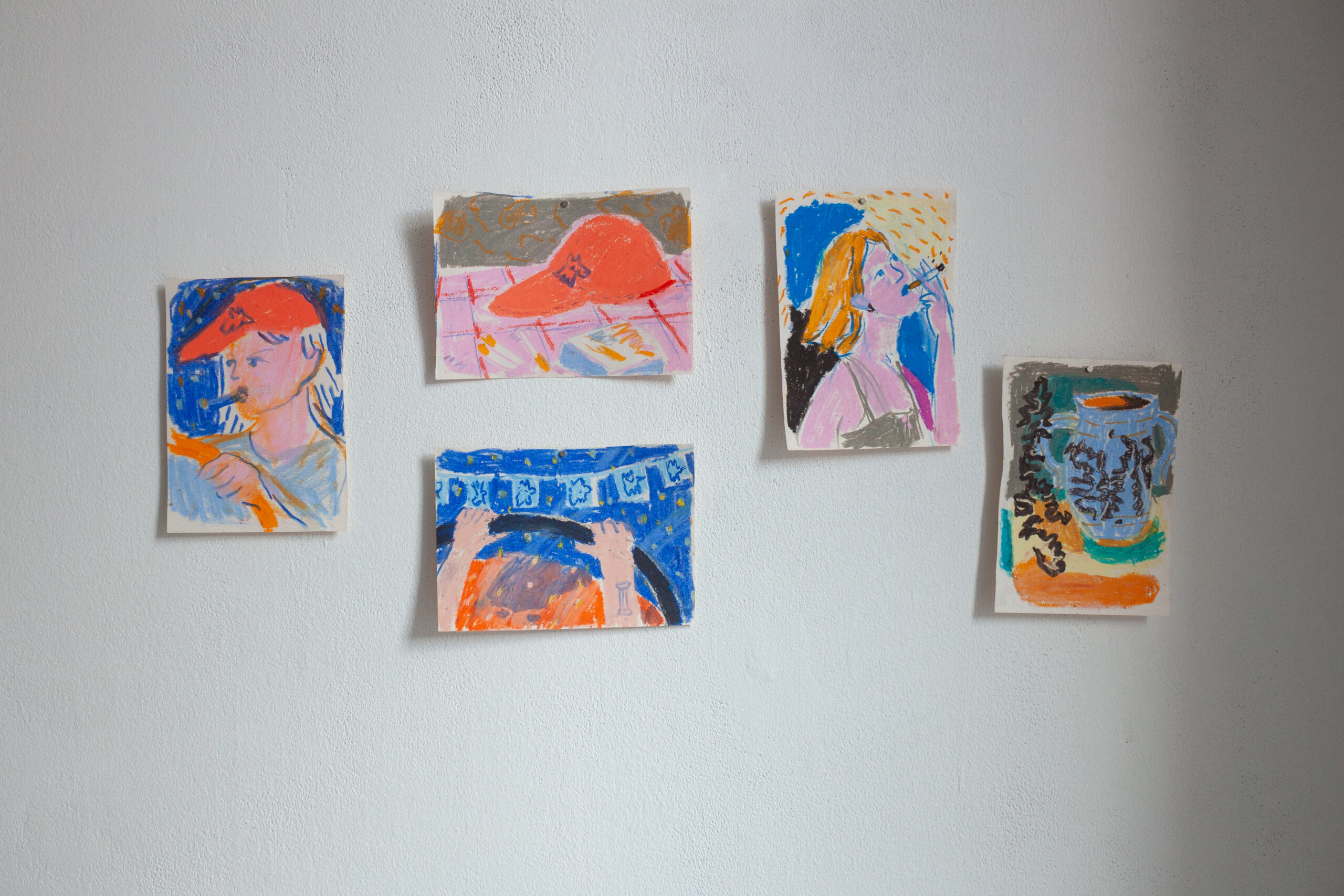
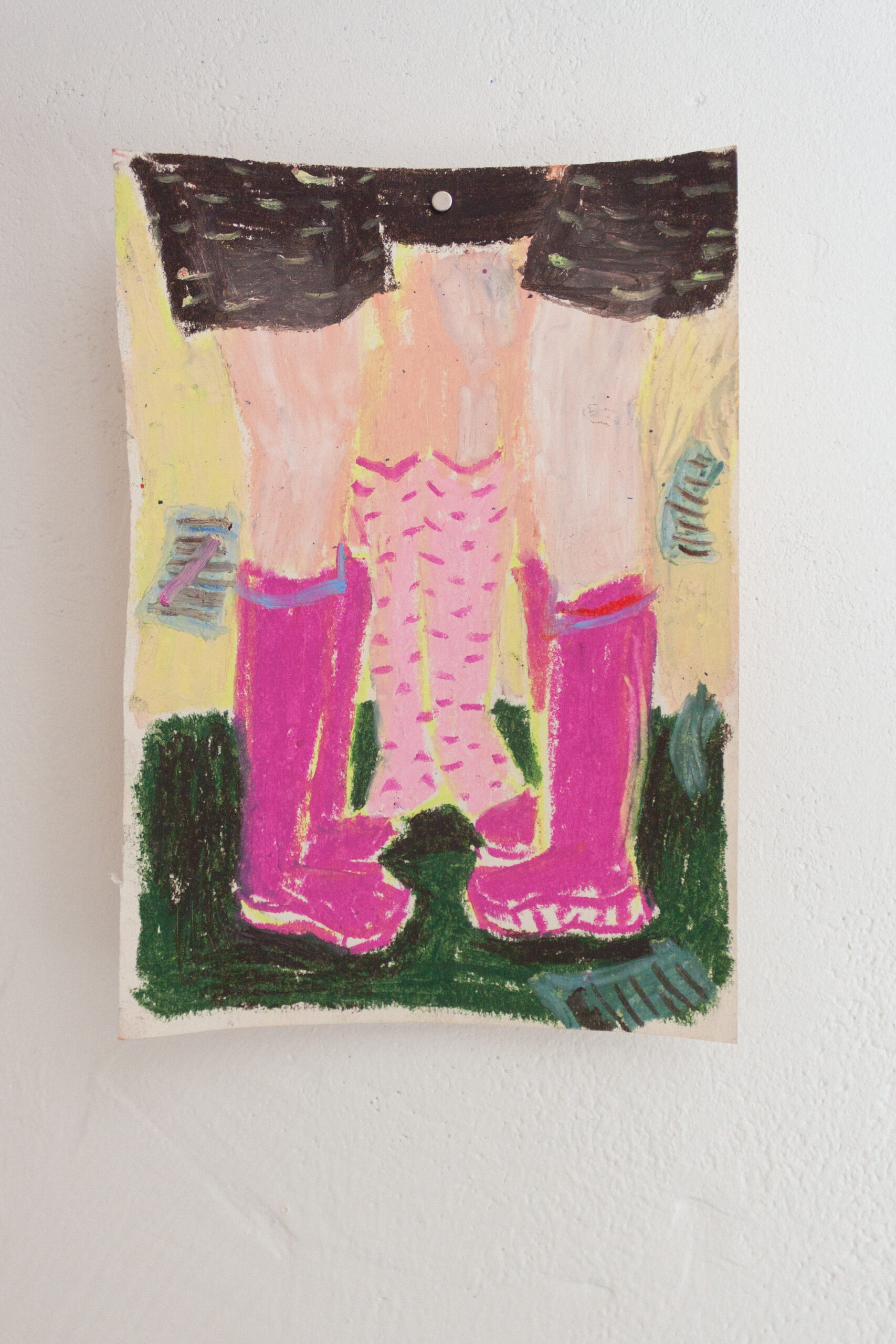
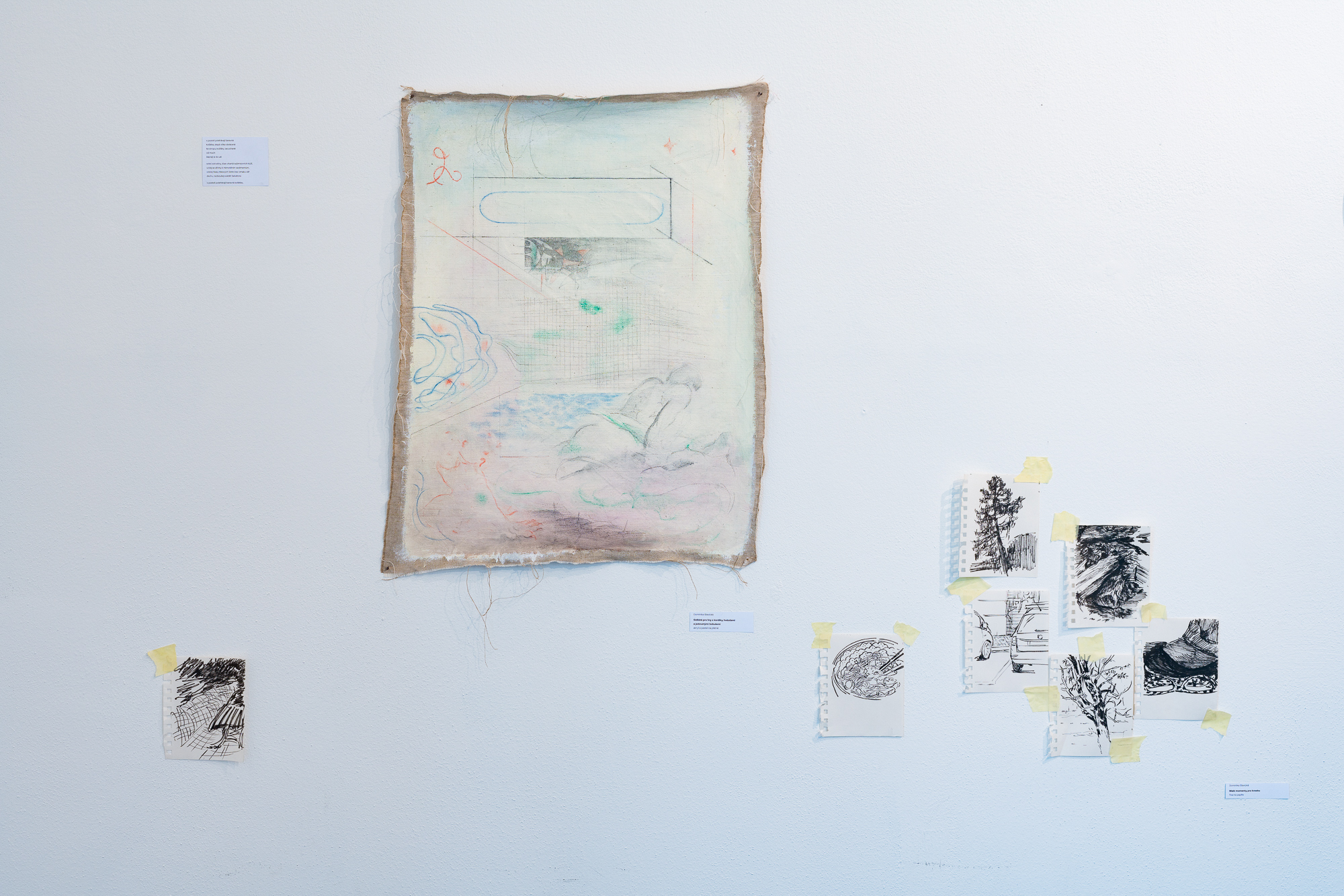
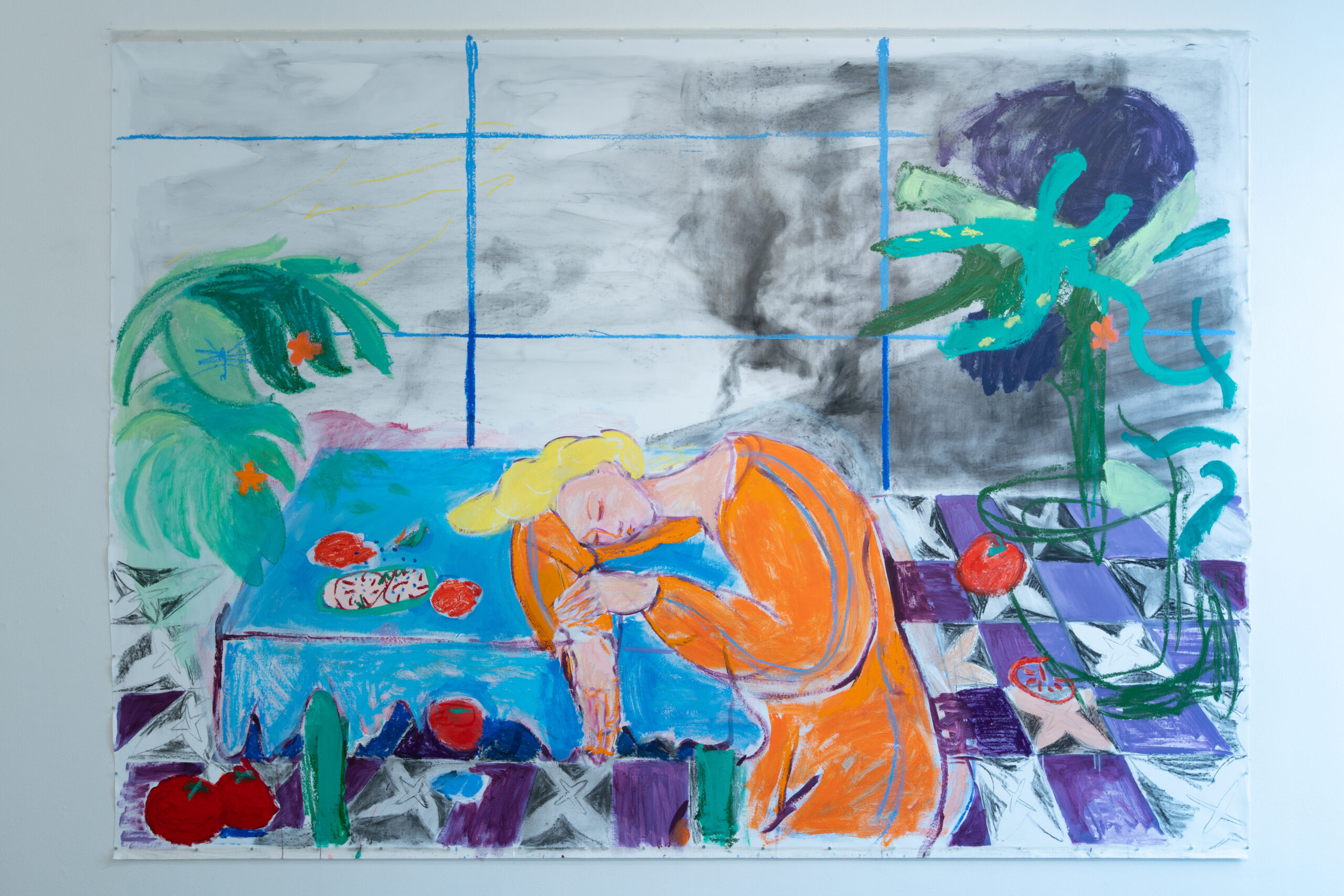
One of those images is a series of drawings by Adina, in which members of the collective are portrayed as truck drivers in caps, as a cabin crew, or maybe as passengers on a journey with no destination. Female truck drivers as a possibility of care and tenderness. Shared movement are materializing the dream of a different pace and relationship with work. It is a role, which is both strong and humorous, serious and absurd, and in which our own desires for escape and disruption of stereotypes can be portrayed.
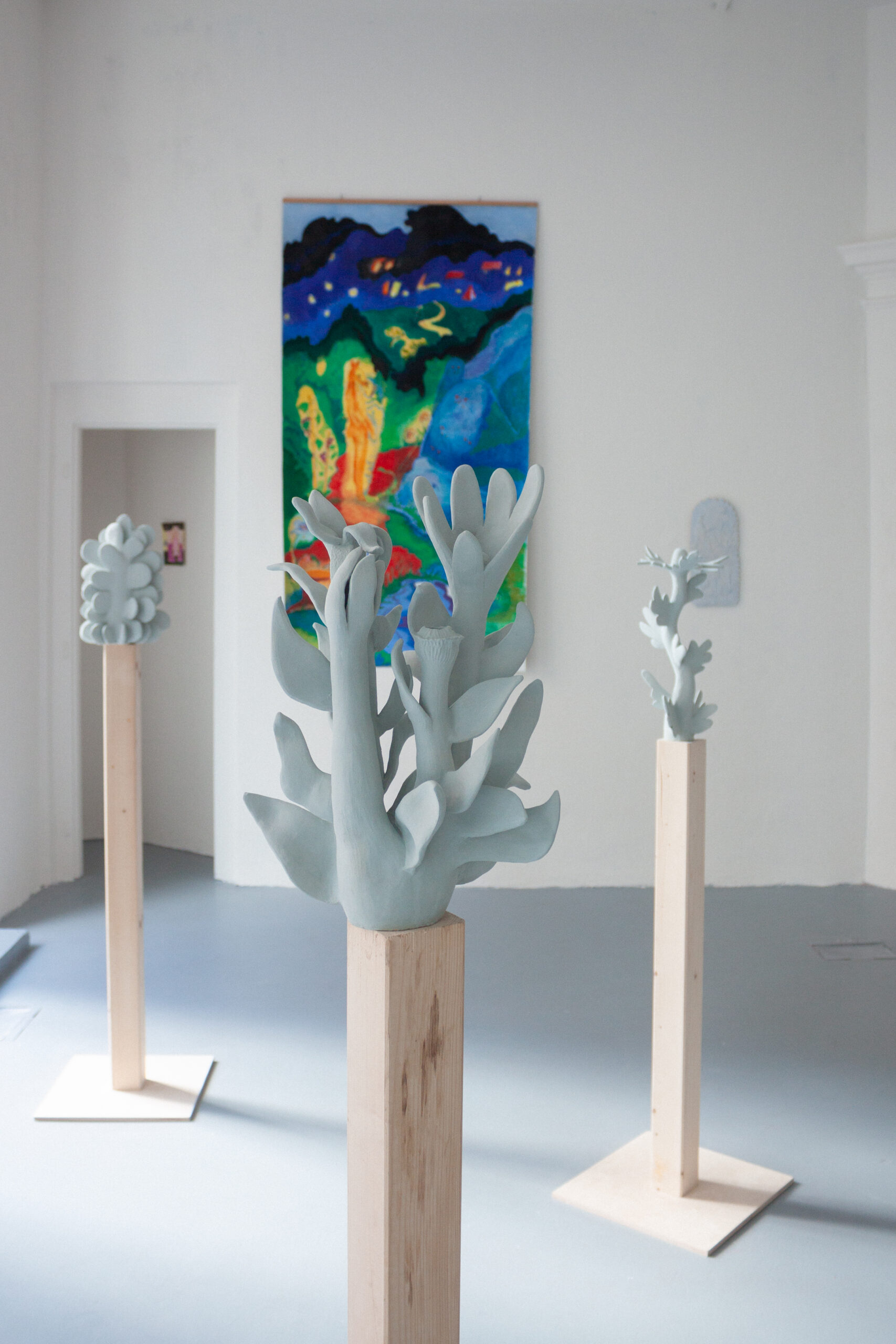
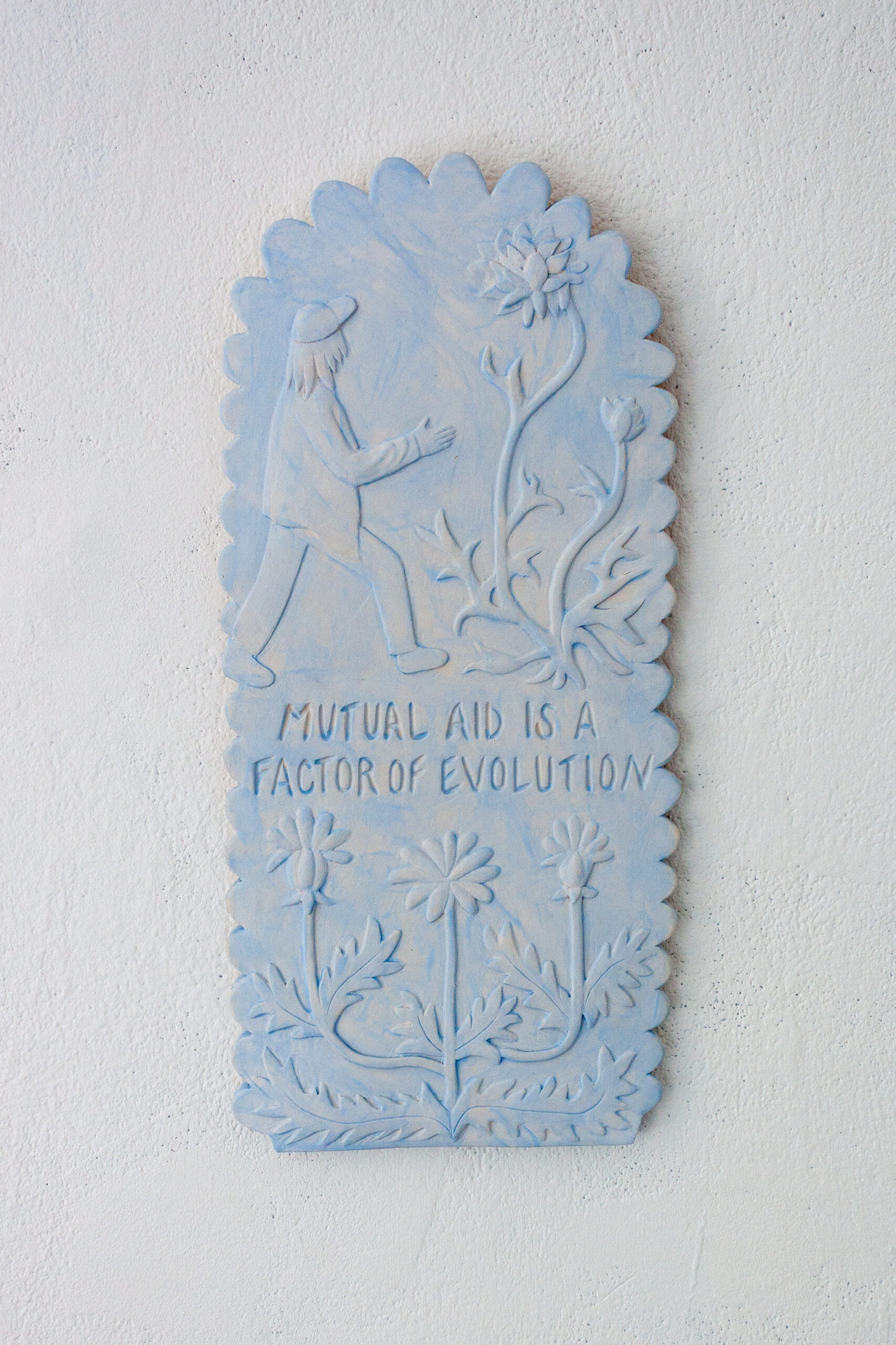
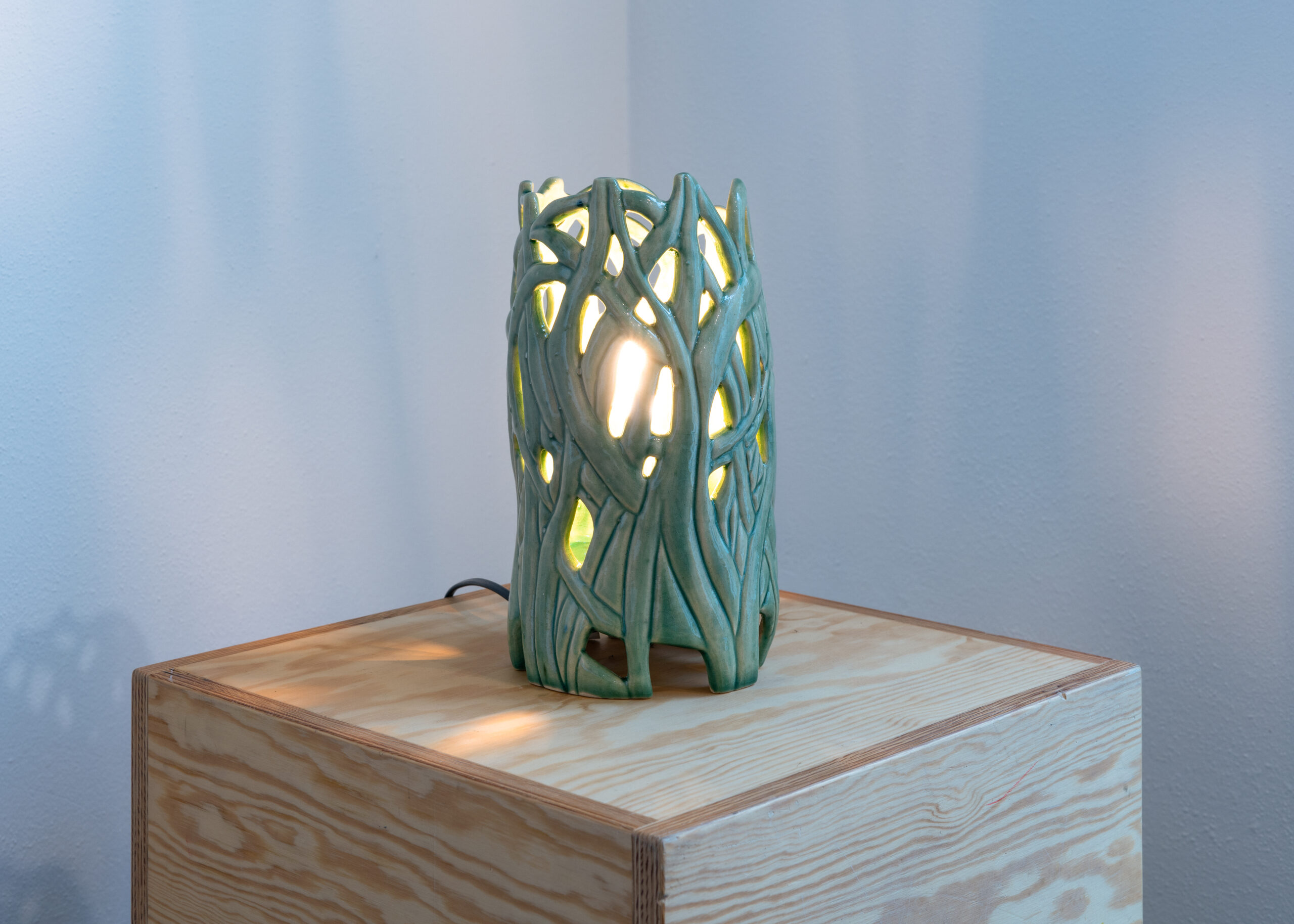
Patrice brings into the space statues of plants and relief objects which grew from the ideas of interconnectedness, growth and mutual support. The three plants on the pedestals refer to the trinity of the collective identity. Hilda pieces that complement each other, intertwine and form one ecosystem with its own rhythms, need for care and grounding. The low pedestal is a place of return – a group appointment which we revisit when we need to share. The wall relief then silently follows the changing images of shape and trace like an imprint that is created slowly, in layers, without precise instructions.
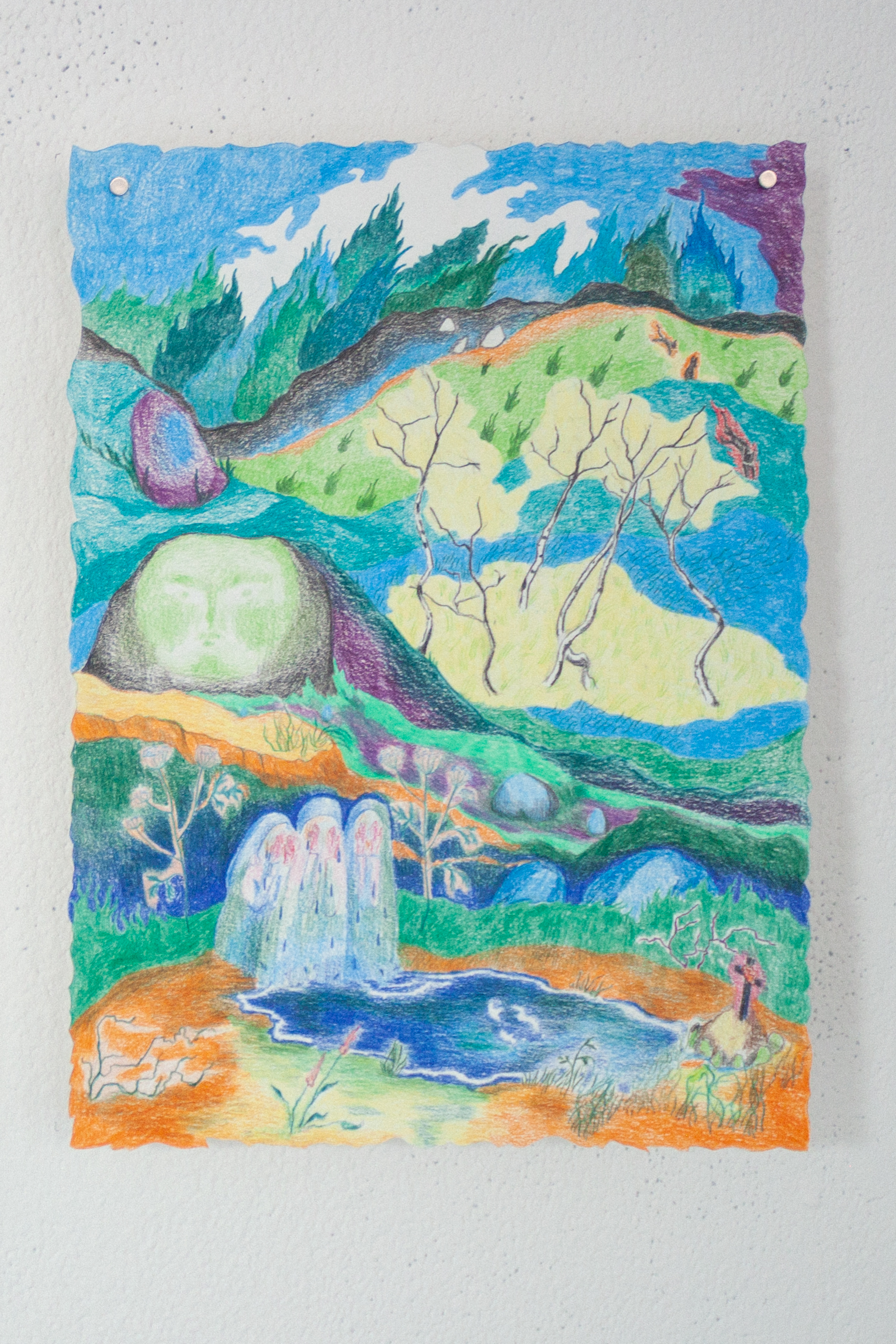
Barbora brings into the exhibition a slightly romantic image of the collective, which lives as characters from her imaginary worlds – half human, half creature. In these stories of care, loneliness, love, and silent resistance, there are no harsh borders between humans, animals, and plants, as they all transform one another between leisure, creation, and work. Where Hilda is possible to be a crybaby, a treasure hunter, a hermit, or a flower – and where art becomes a way of existence, shared rhythm and refuge.
text: Anežka Januschka Kořínková
2025 Proluka Gallery, Prague – Vršovice
SITE-SPECIFIC OBJECT IN PUBLIC SPACE
Soft Seasons, Hard Hands
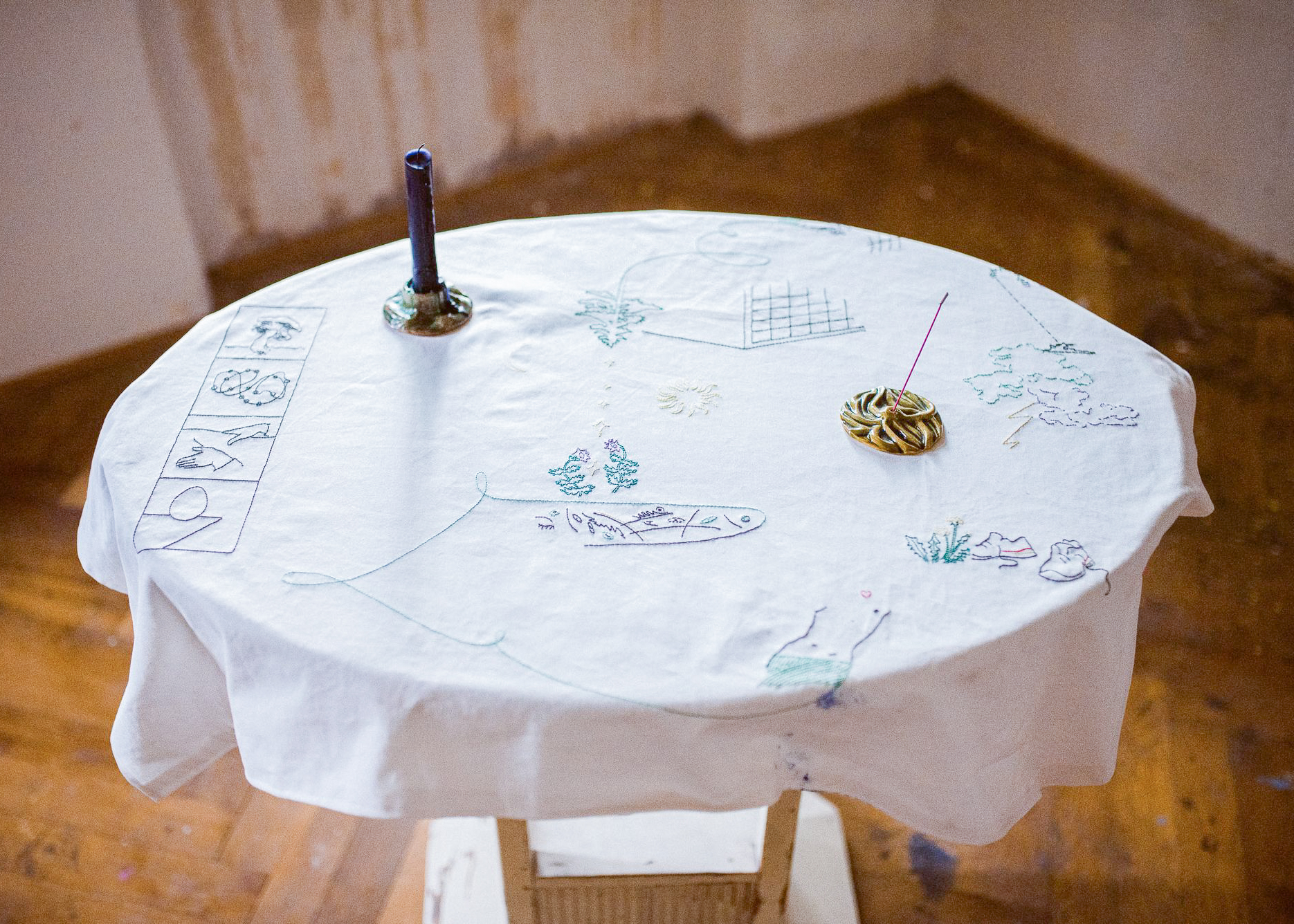
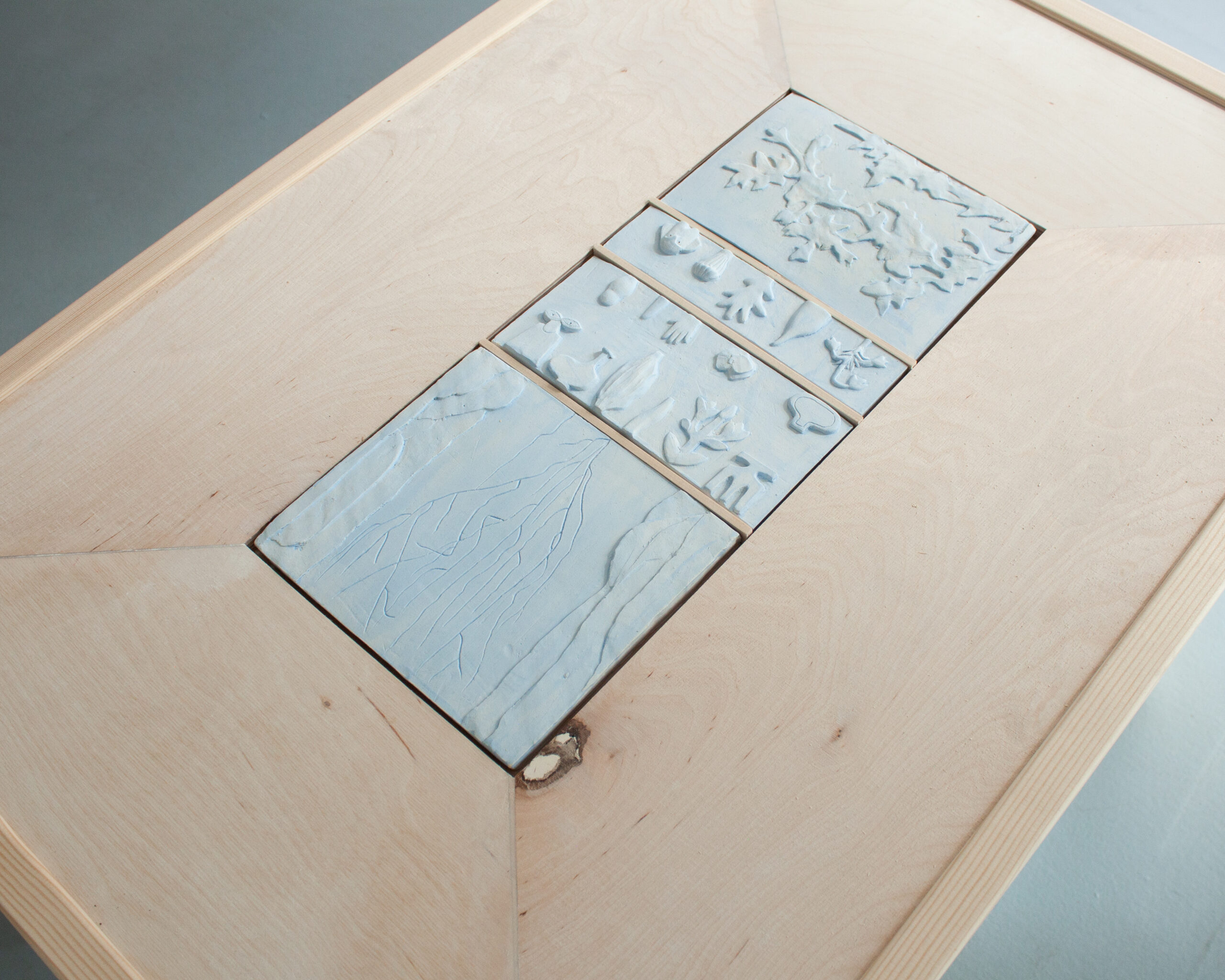
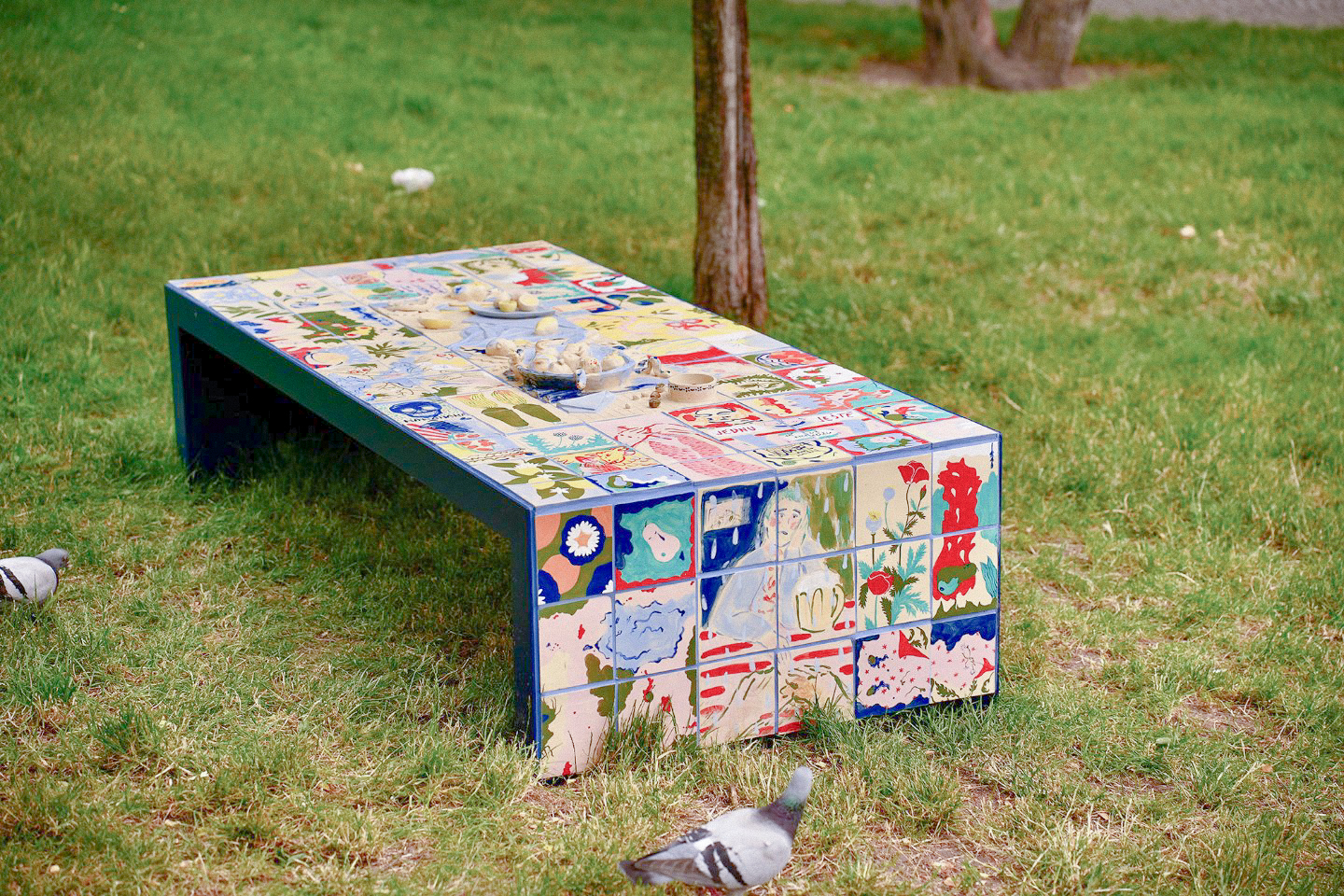
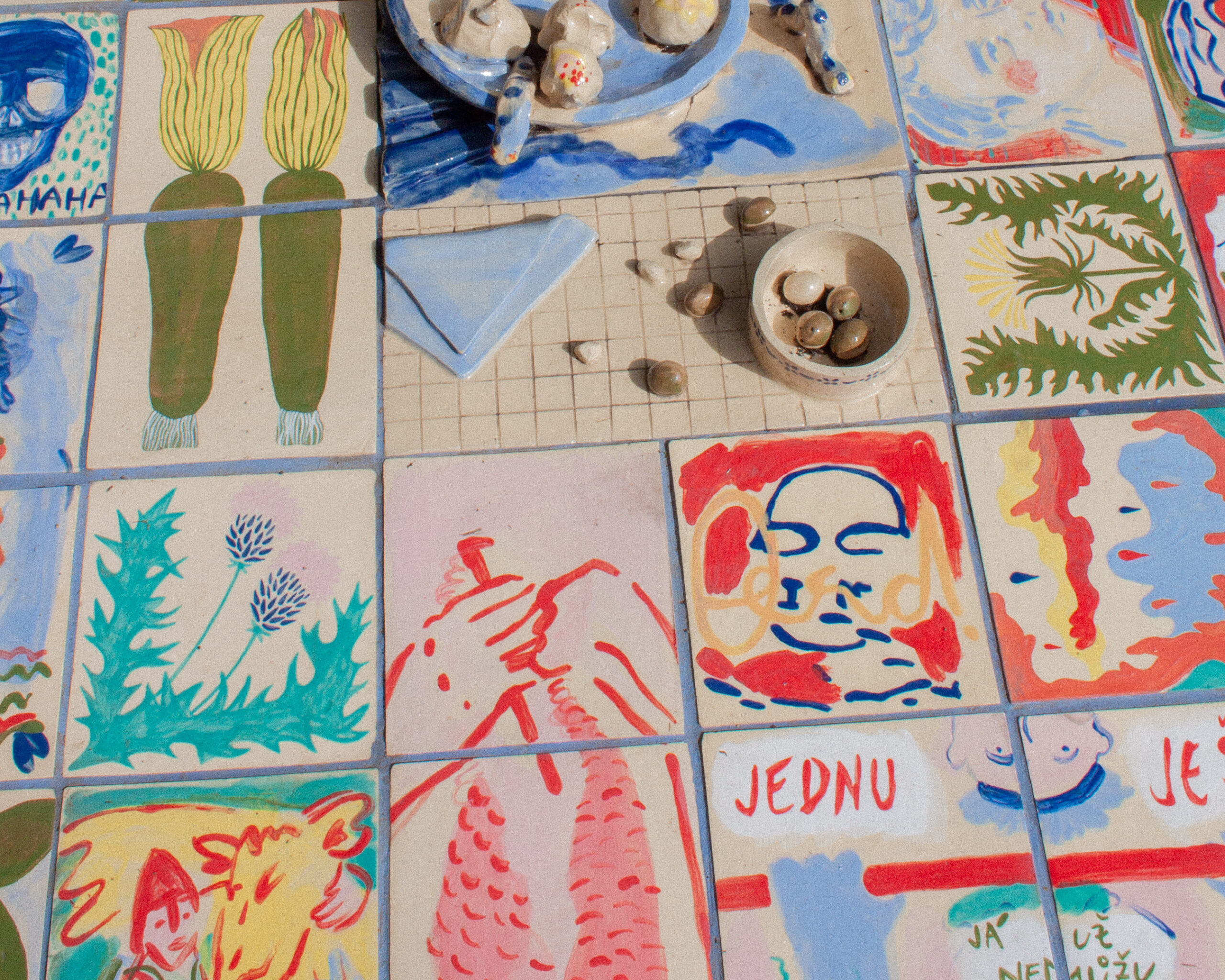
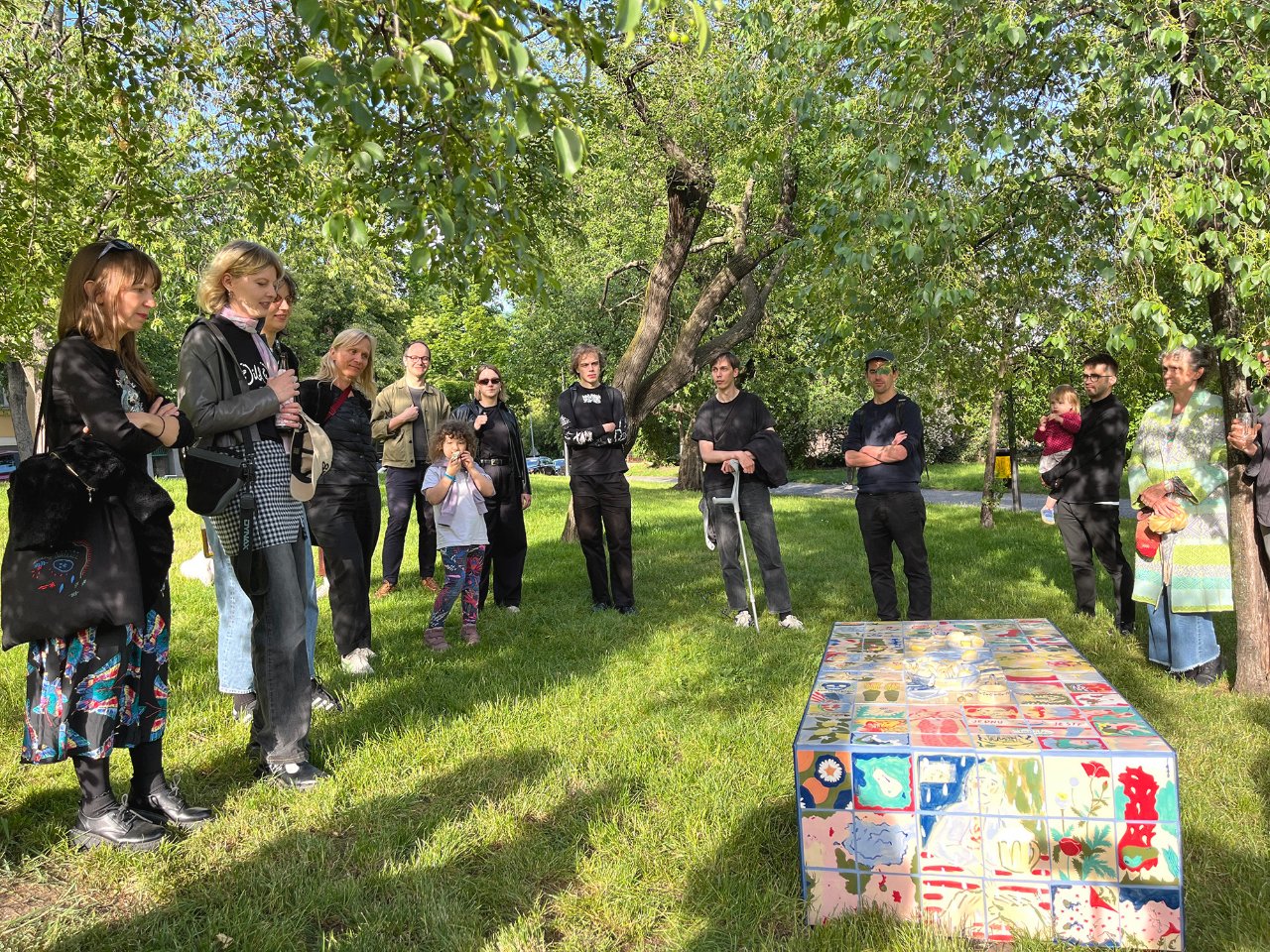
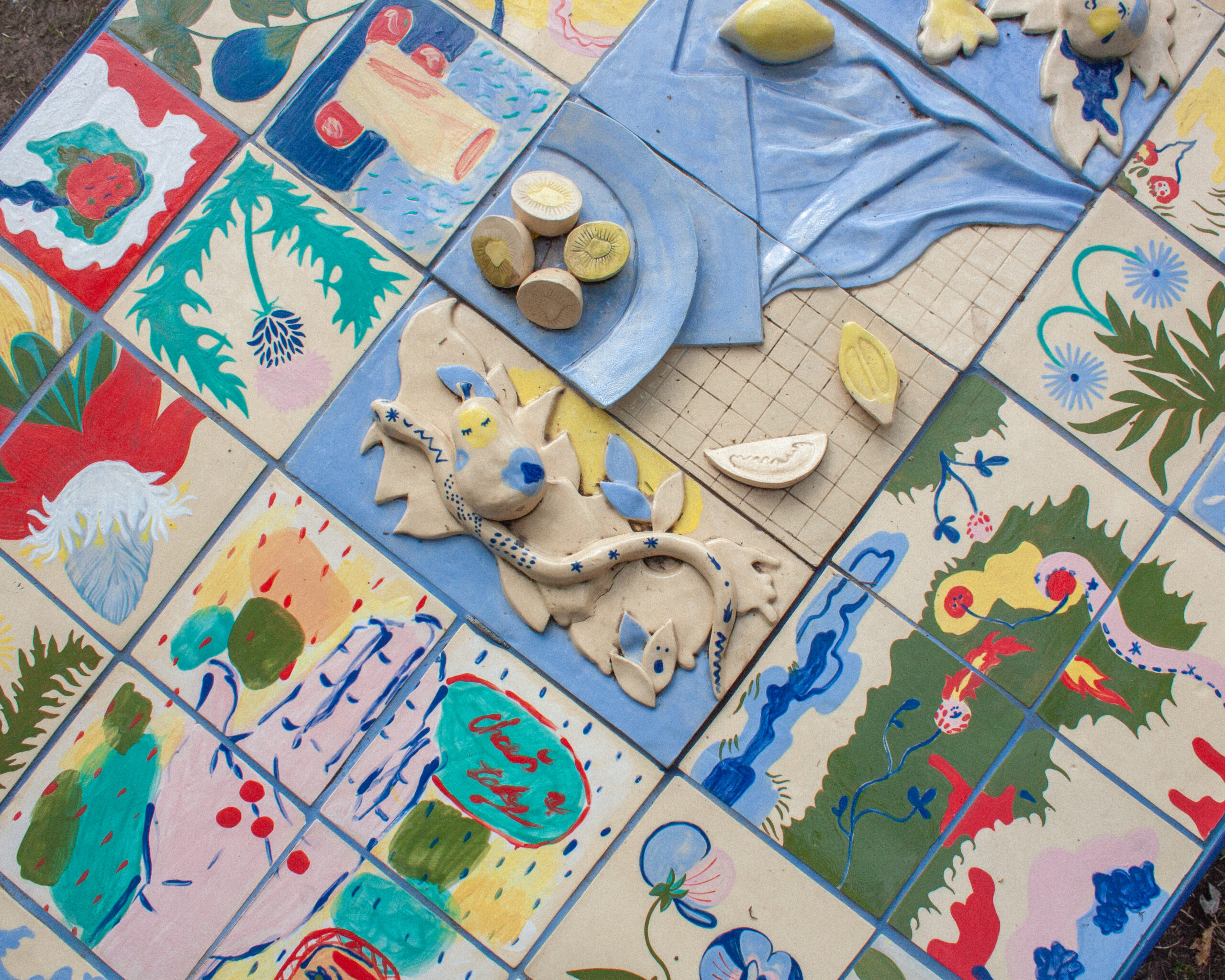
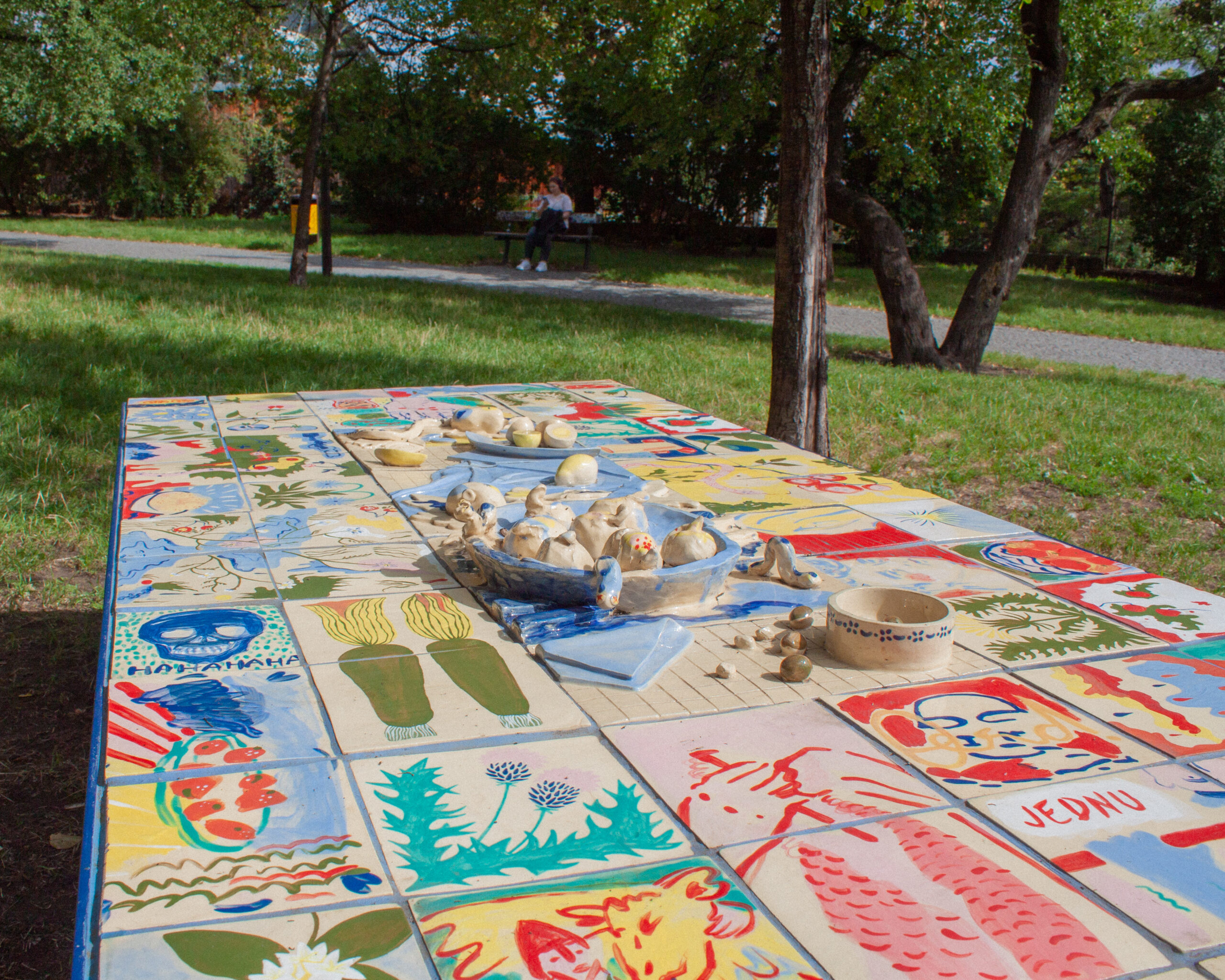
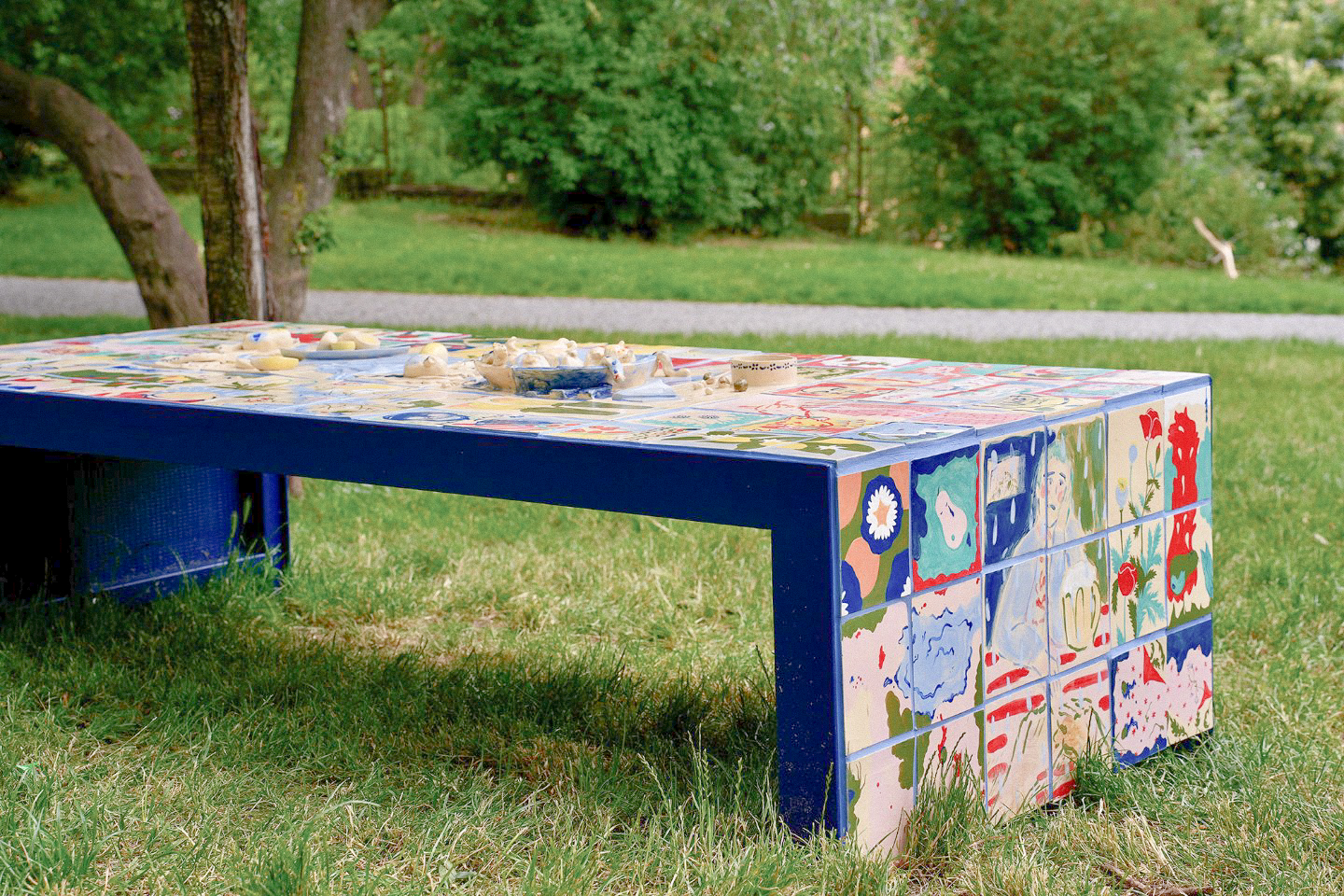
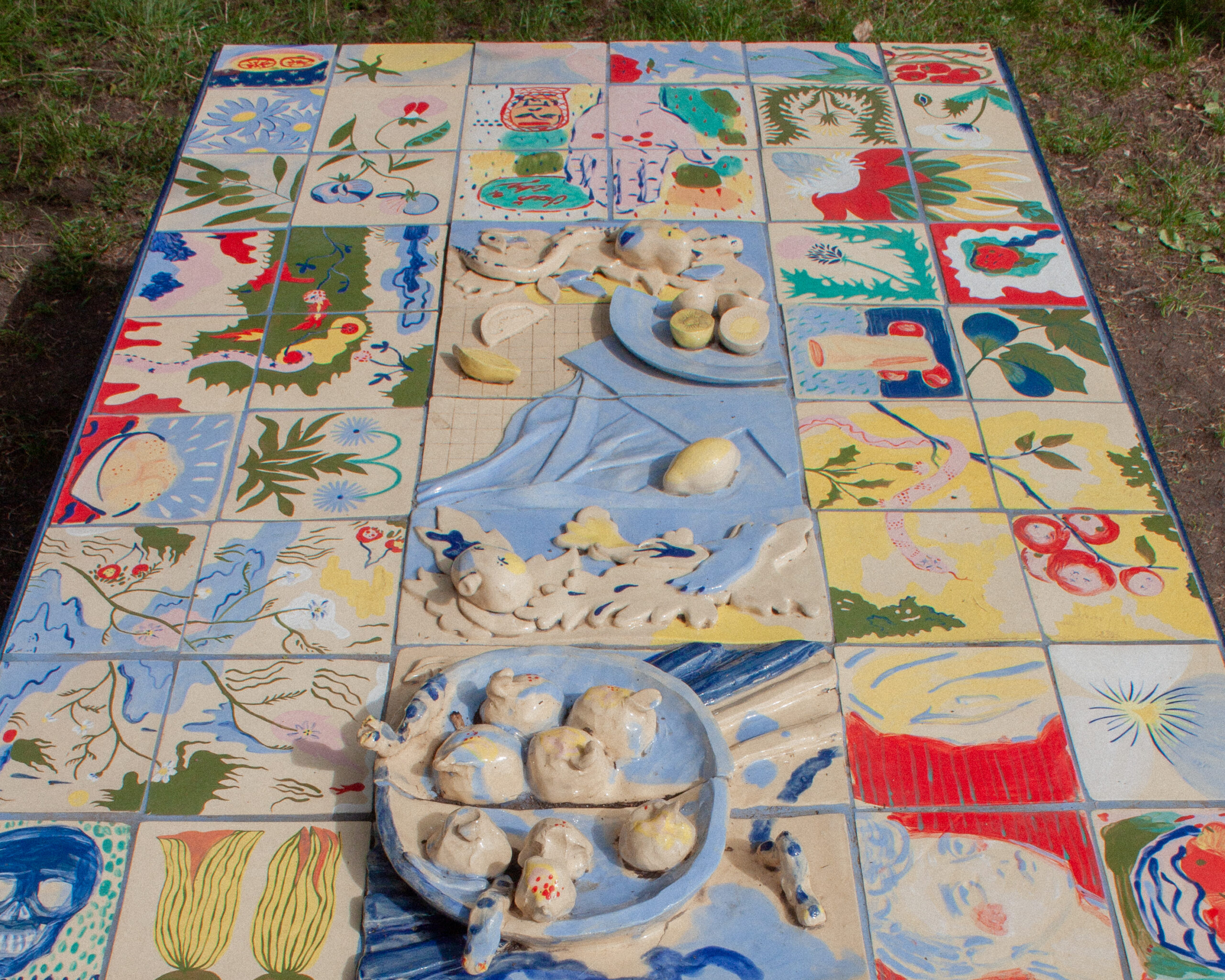
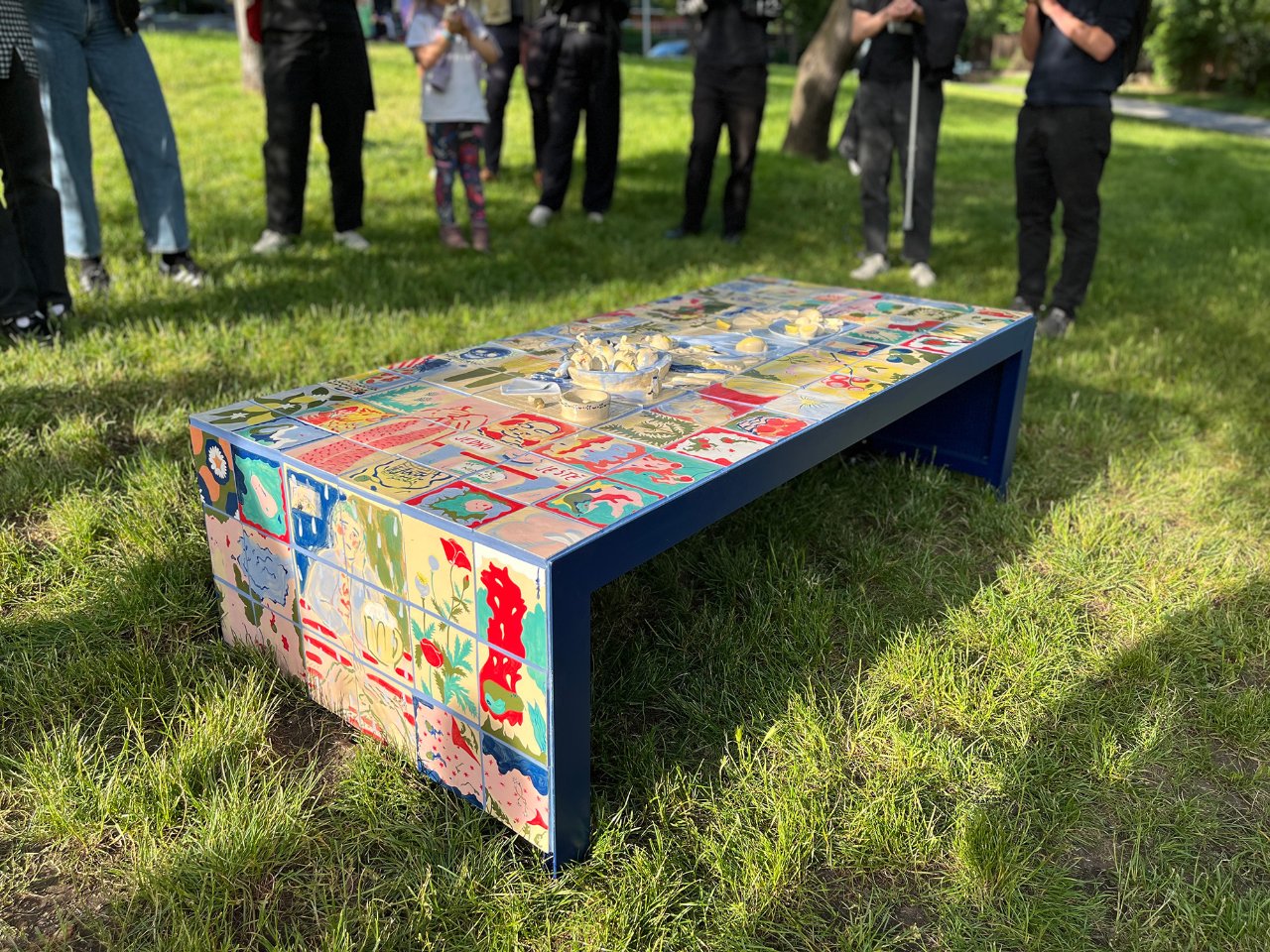
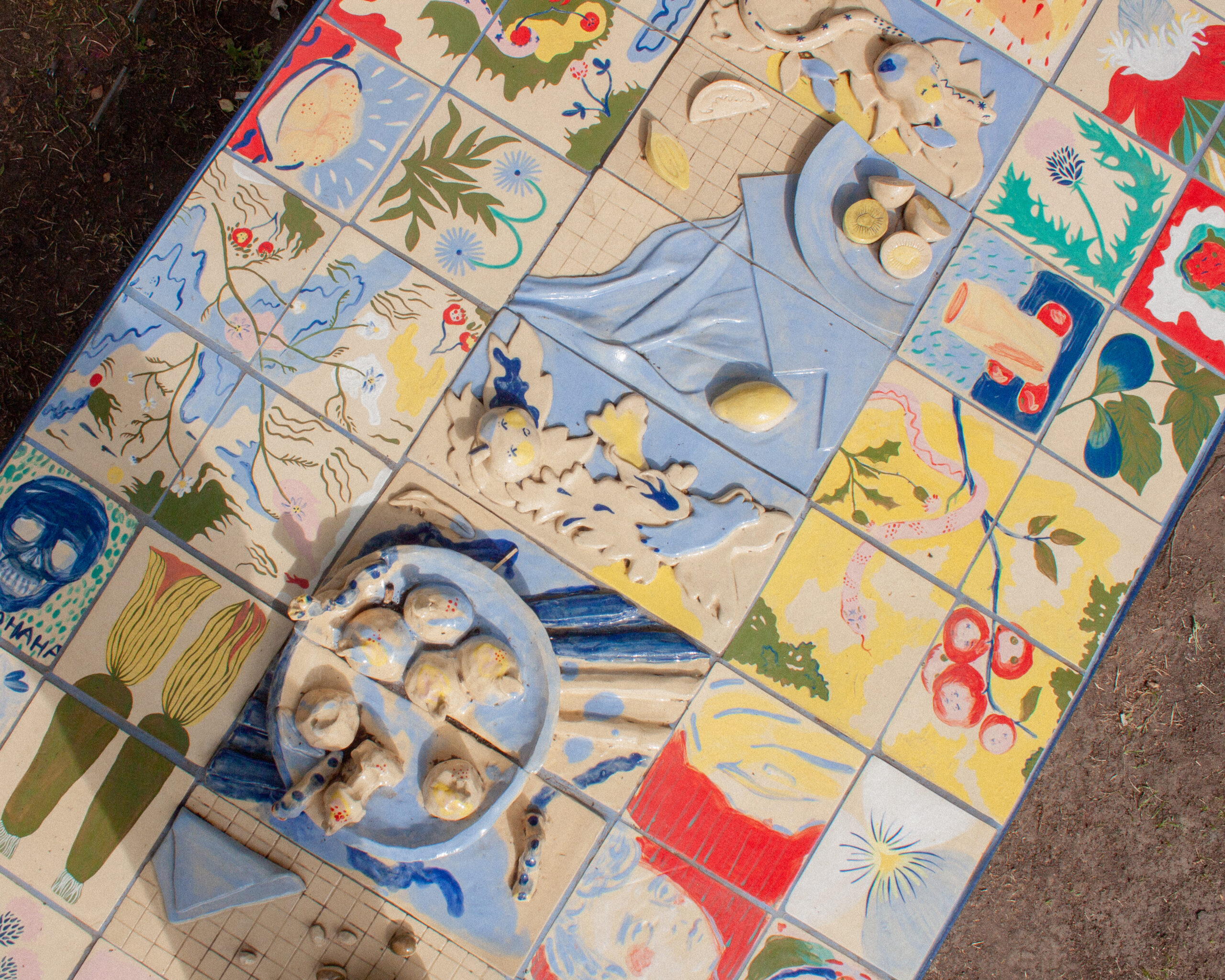
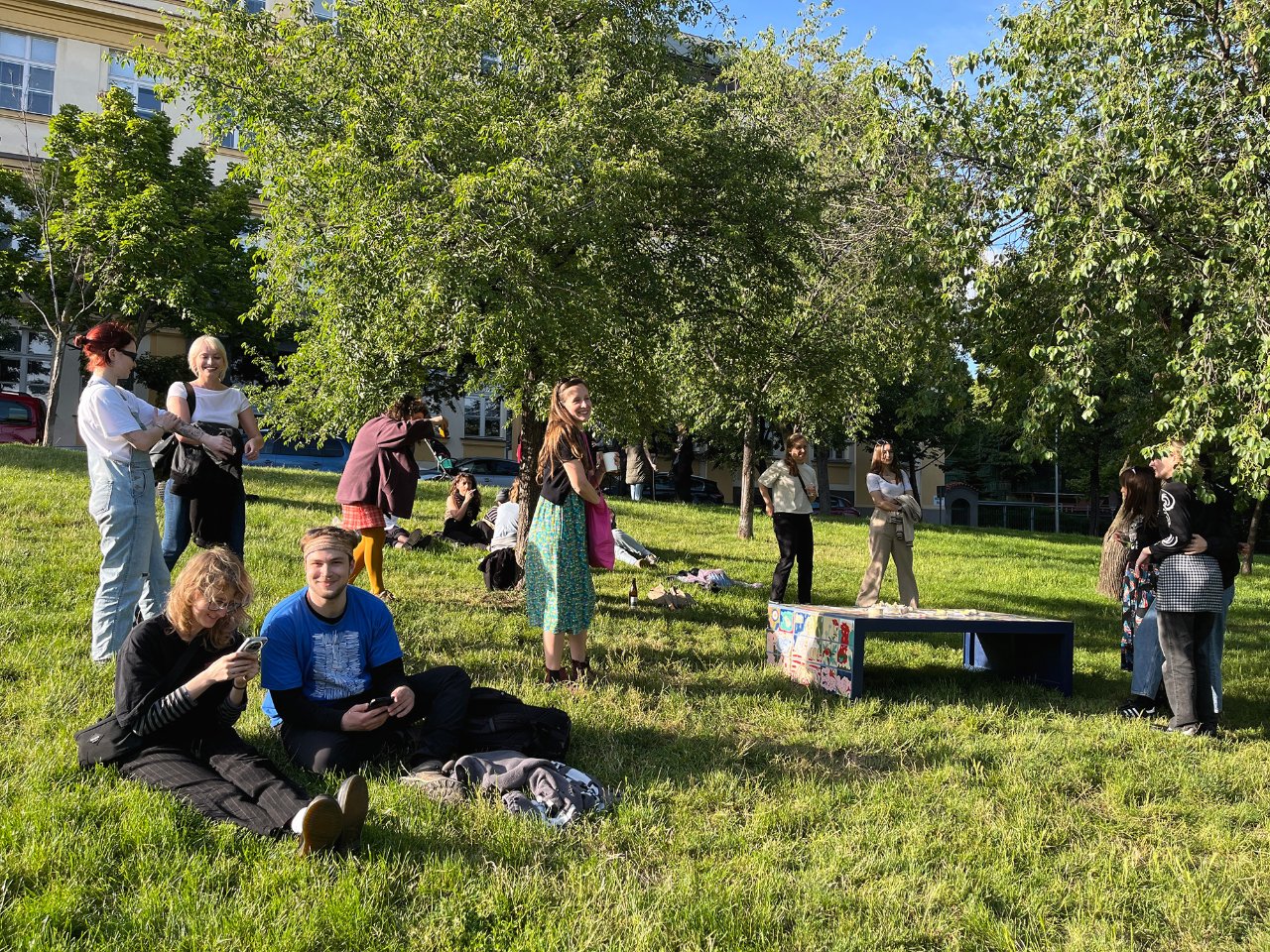
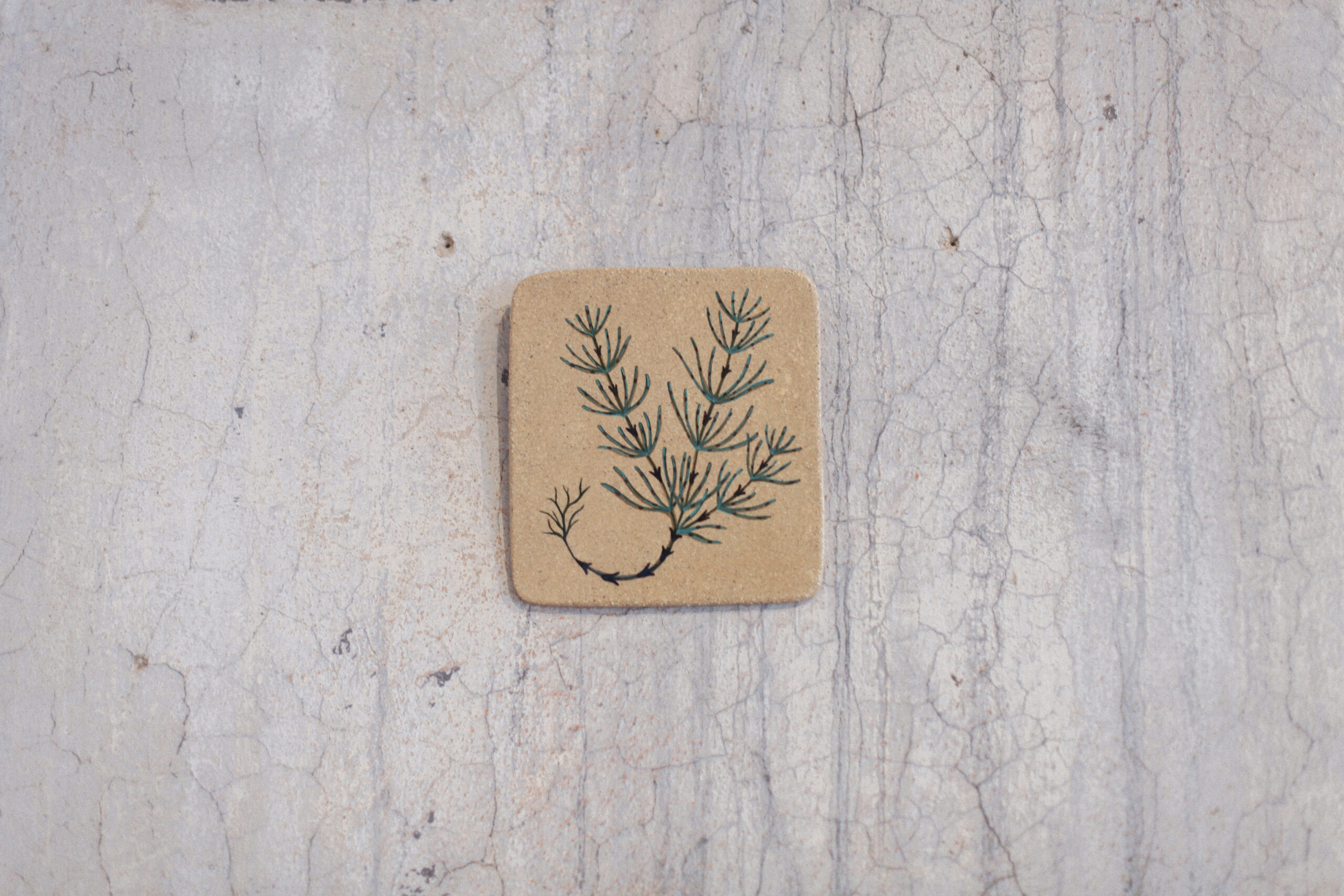
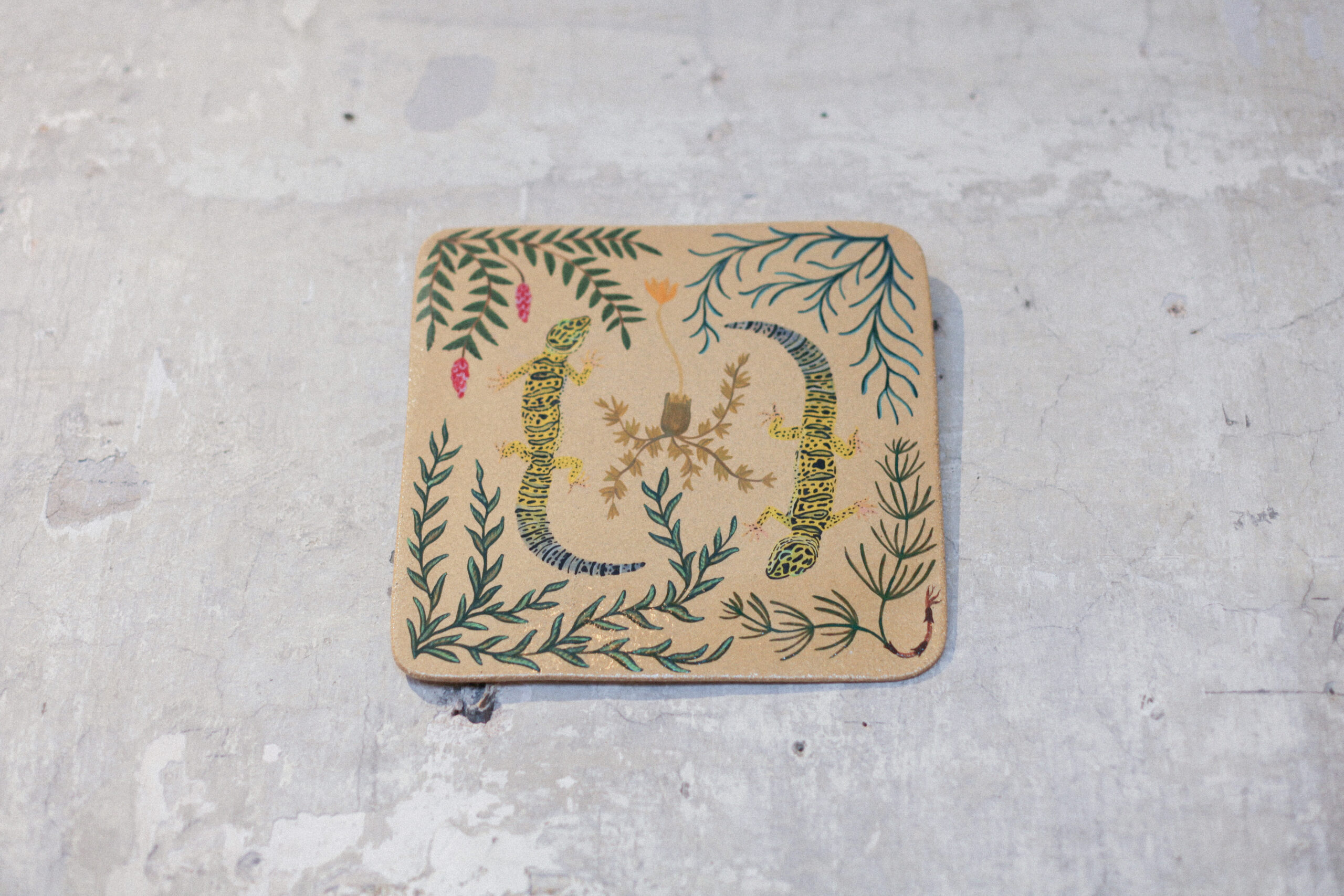
Authors of the exhibition Soft Seasons, Hard Hands compose a table through hand-painted ceramic tiles as a place of sharing, memory, and imagination. Each of them brings her own narrative language: memories, folk tales, invented stories about edible plants, and natural motifs anchored in the clay body. Painting and ceramics meet here in a dialogue between what has been and what we can still imagine.
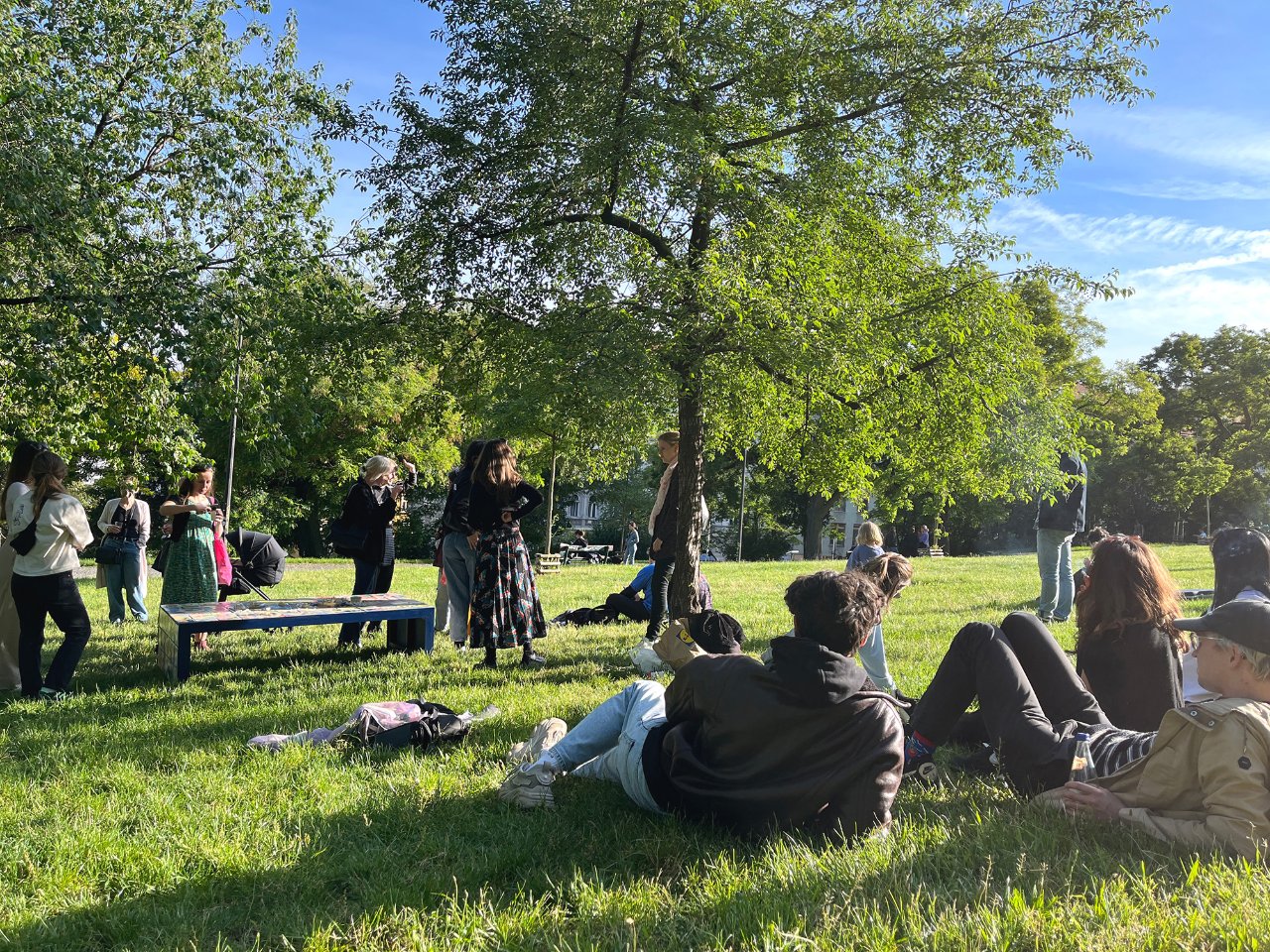
You will find the table in Bezručovy sady in Prague 10. Every moment spent sitting there, every conversation or chance encounter can become another layer of the story that the table gradually gathers. Do not hesitate to stop by and become part of its memory.
2023 – 2025 Cultural Center Vzlet, Prague – Vršovice
CURATORIAL PROJECT
Café Vzlet Library
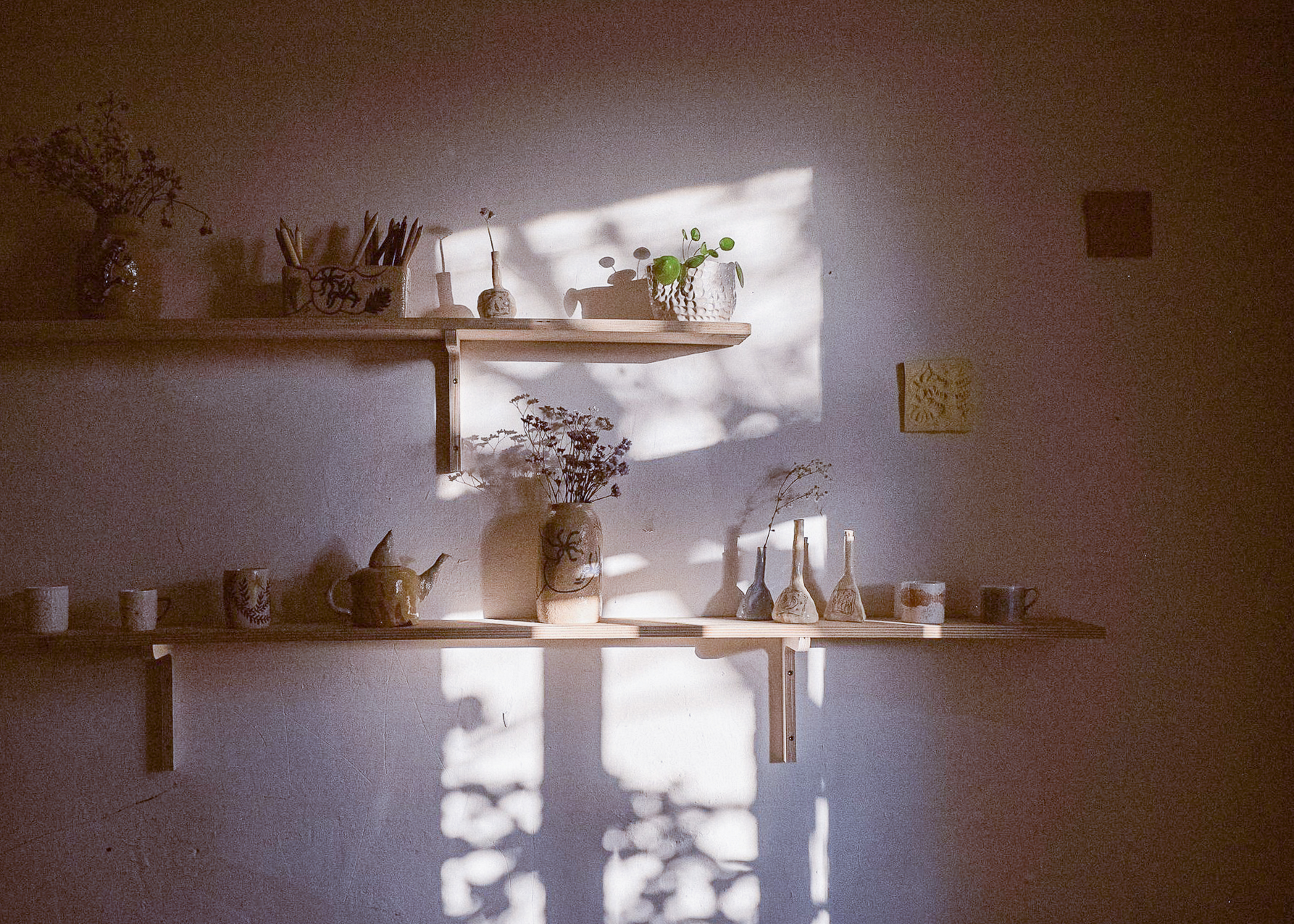
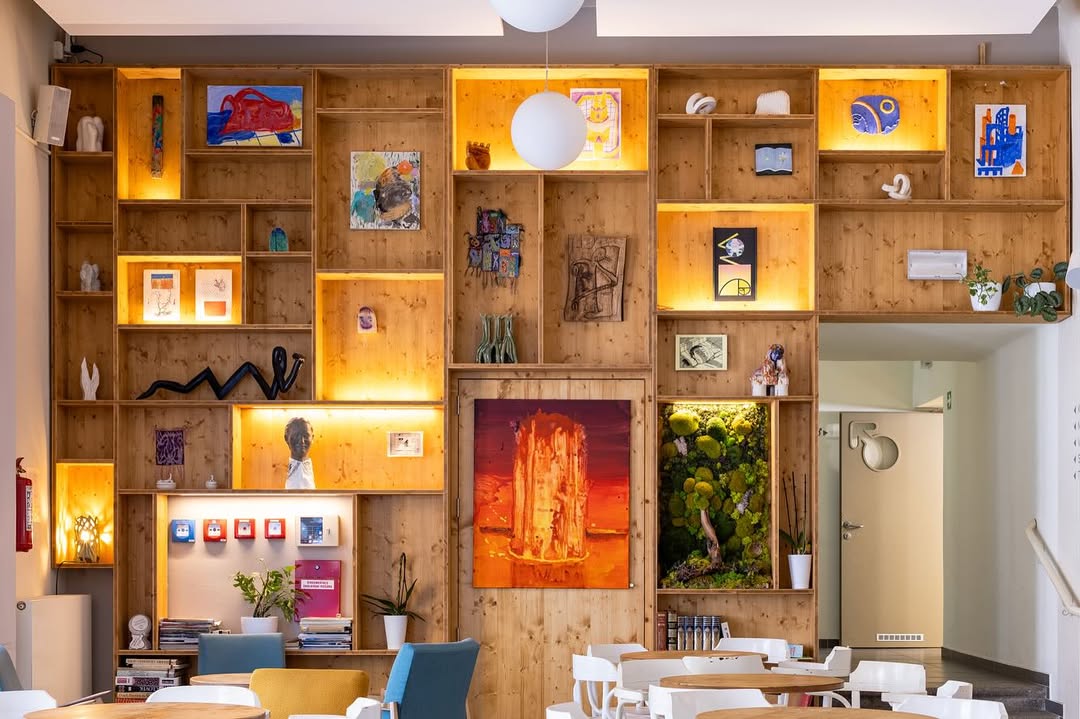
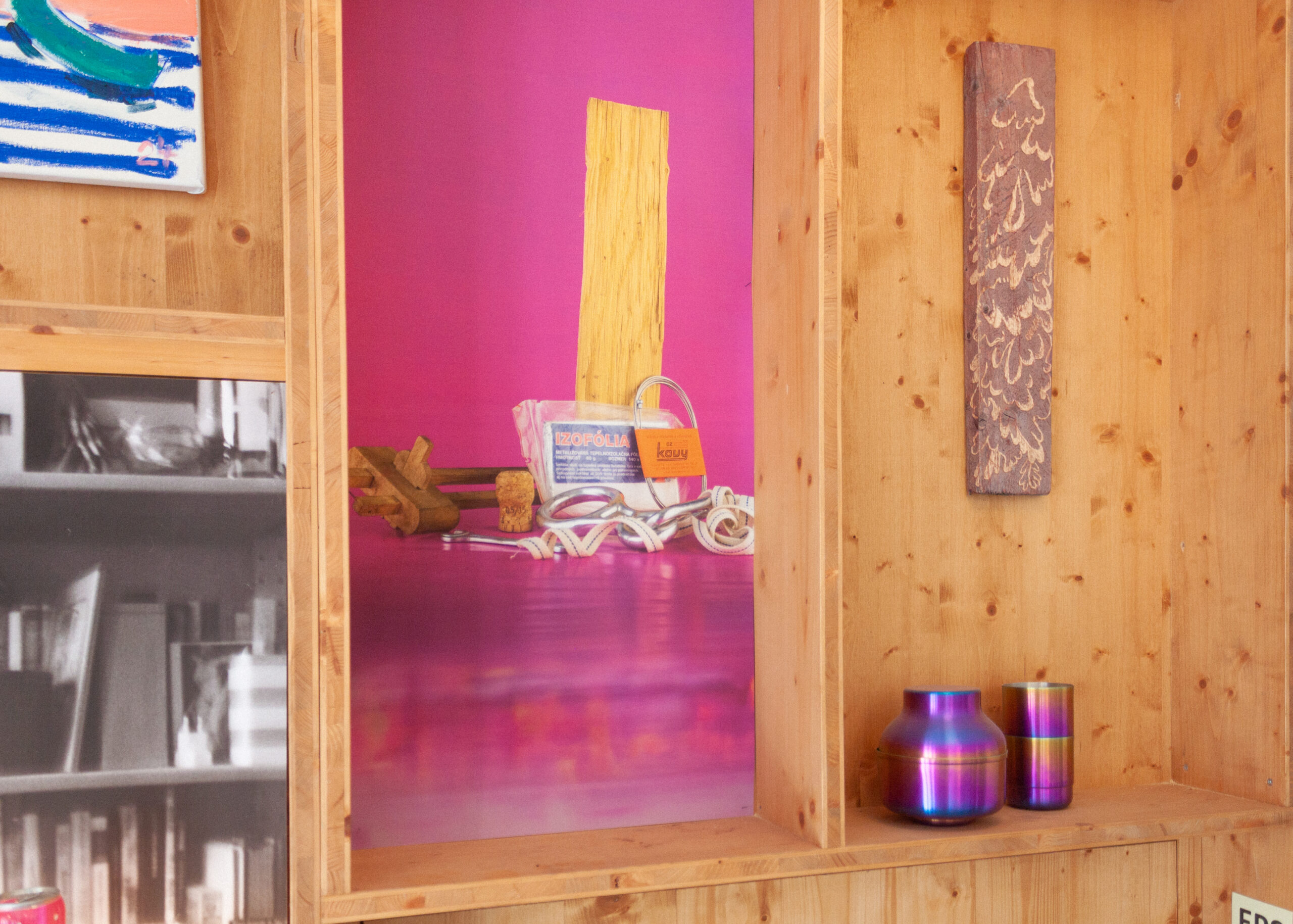
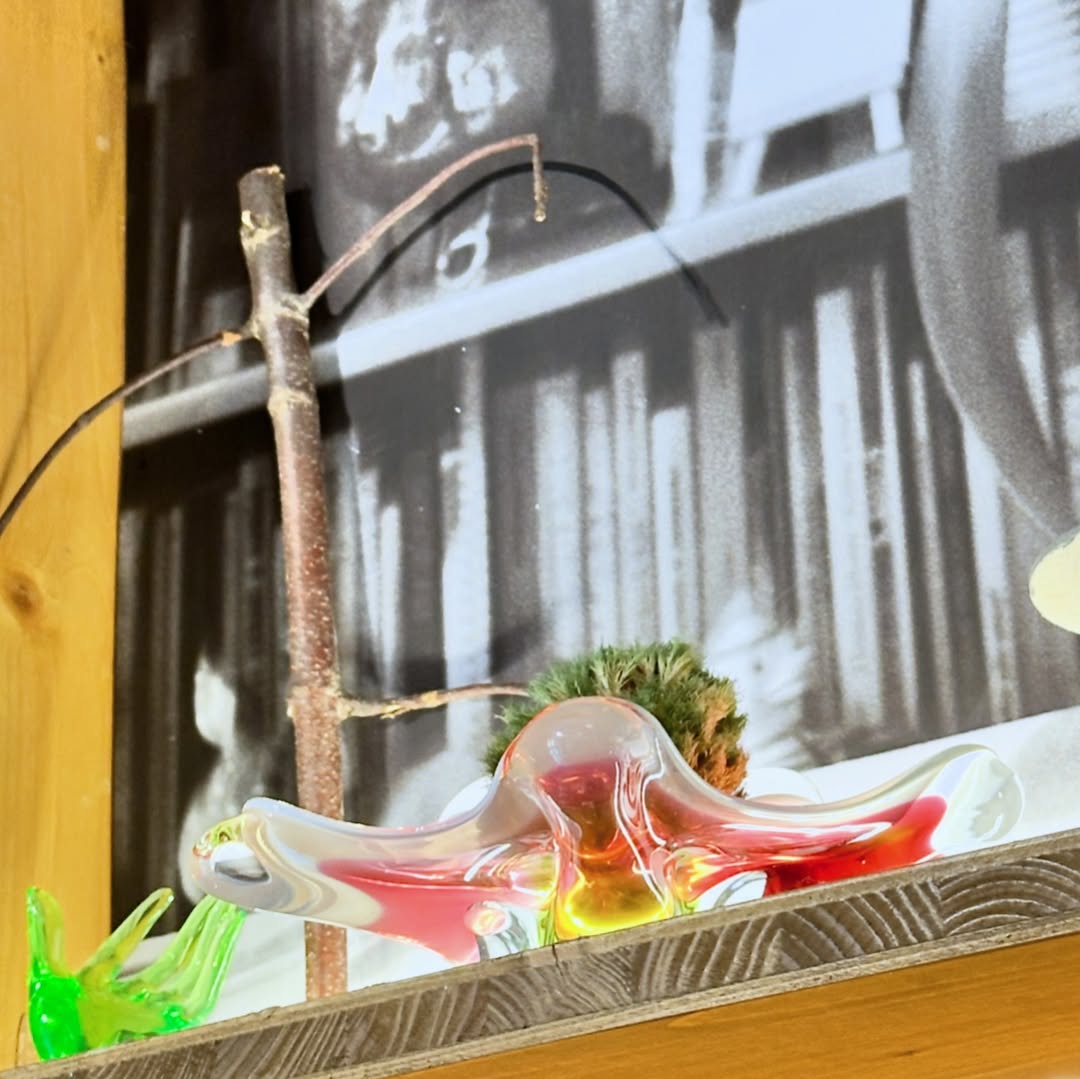
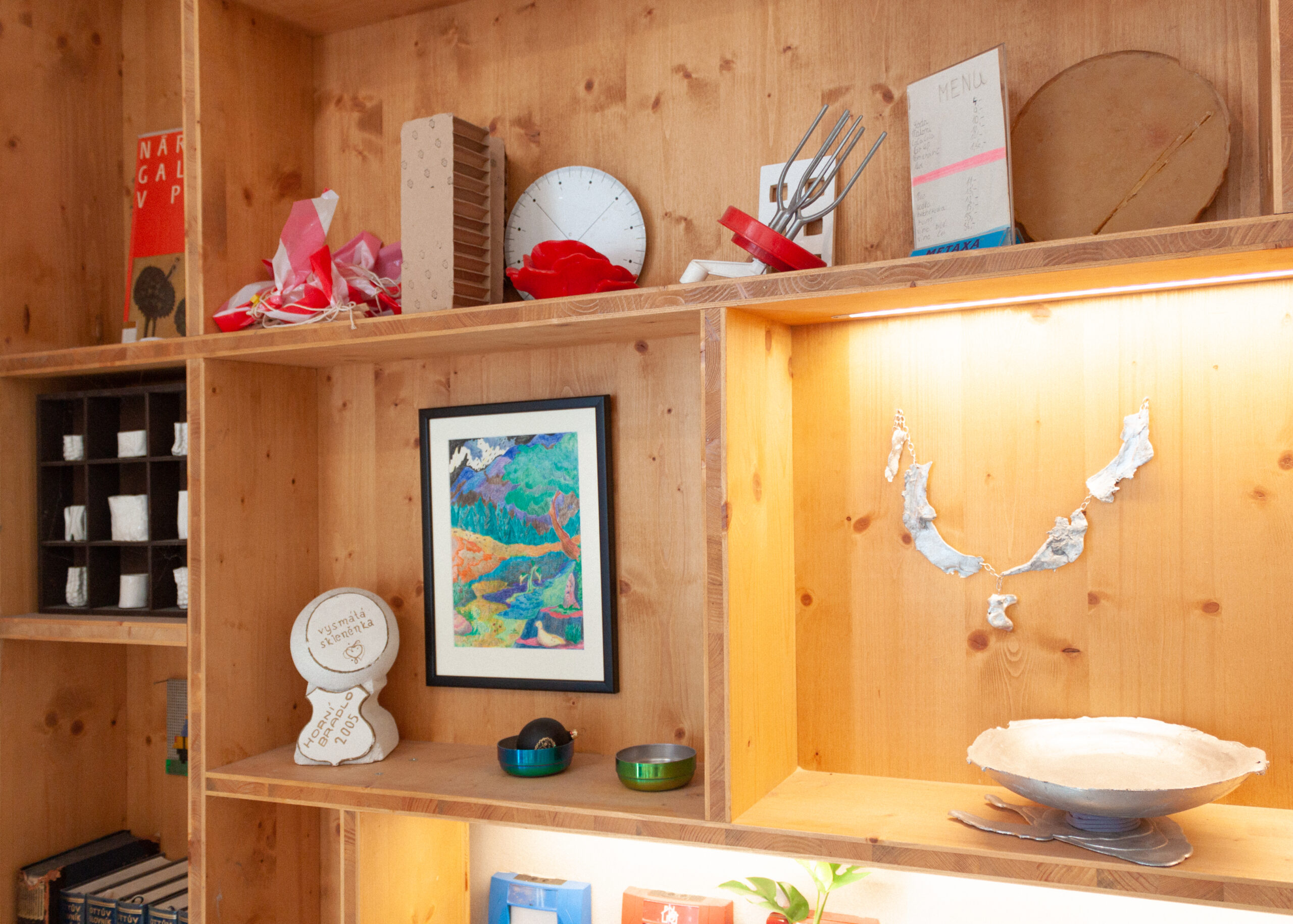
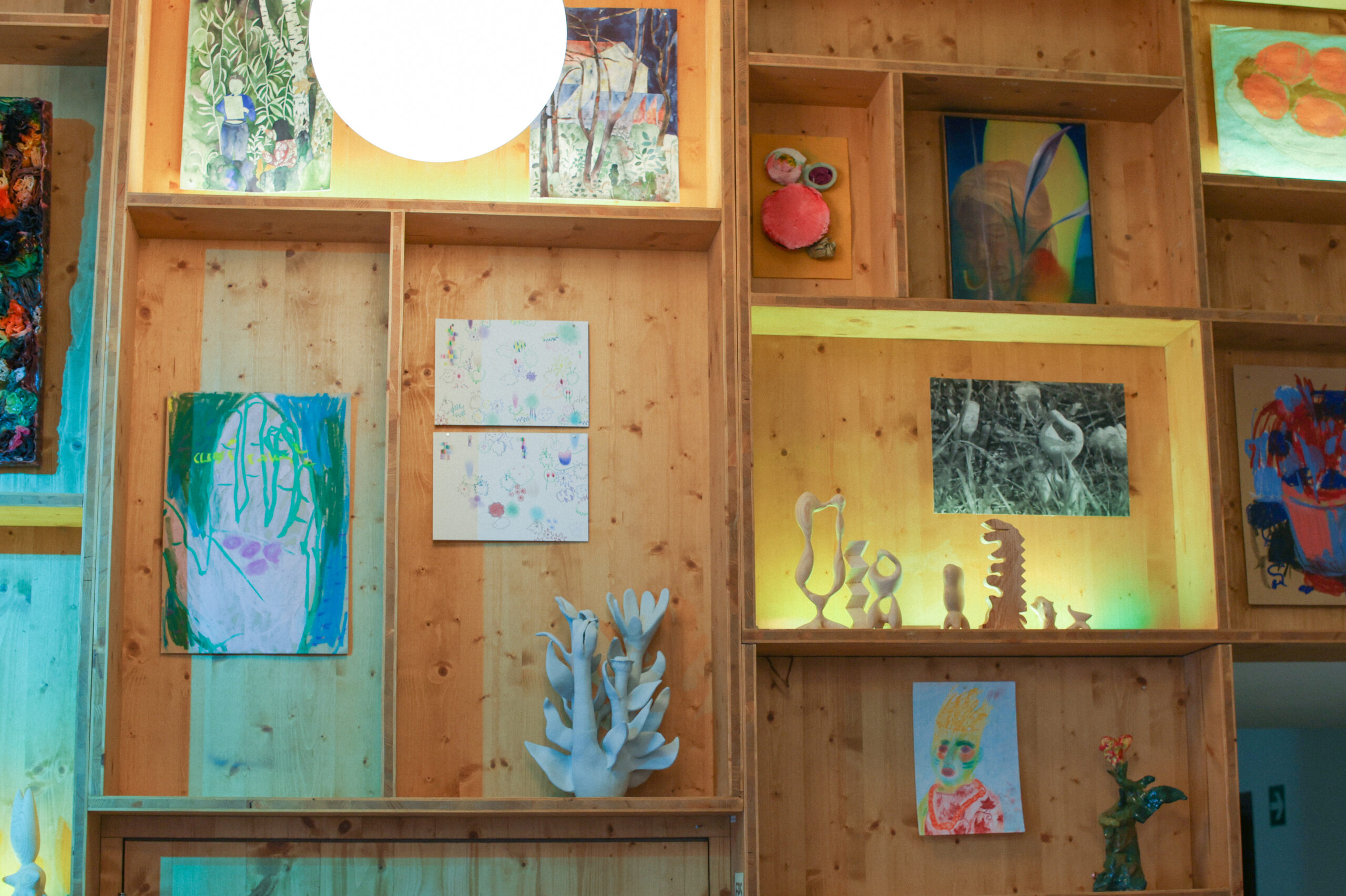
We have been working at Café Vzlet for the third time as the curatorial team for the café’s wall shelving system. Our collaboration began in 2023 with our first exhibition, Subtle Synergy, which opened a dialogue between our curatorial practice and this specific space.
We are interested in the diversity of approaches, media, and generations — and it is precisely their mutual tension and resonance that shapes the final outcome. At the same time, we strive to ensure that the exhibition does not merely “decorate” the café space, but stands as a fully developed artistic statement addressed to both professional and wider audiences.
The exhibition Gardenis currently on view in the café and will run throughout the season until August 2026.
2023 Rohovka Gallery, Prague – Vršovice
EXHIBITION
I have a lot, I've had enough
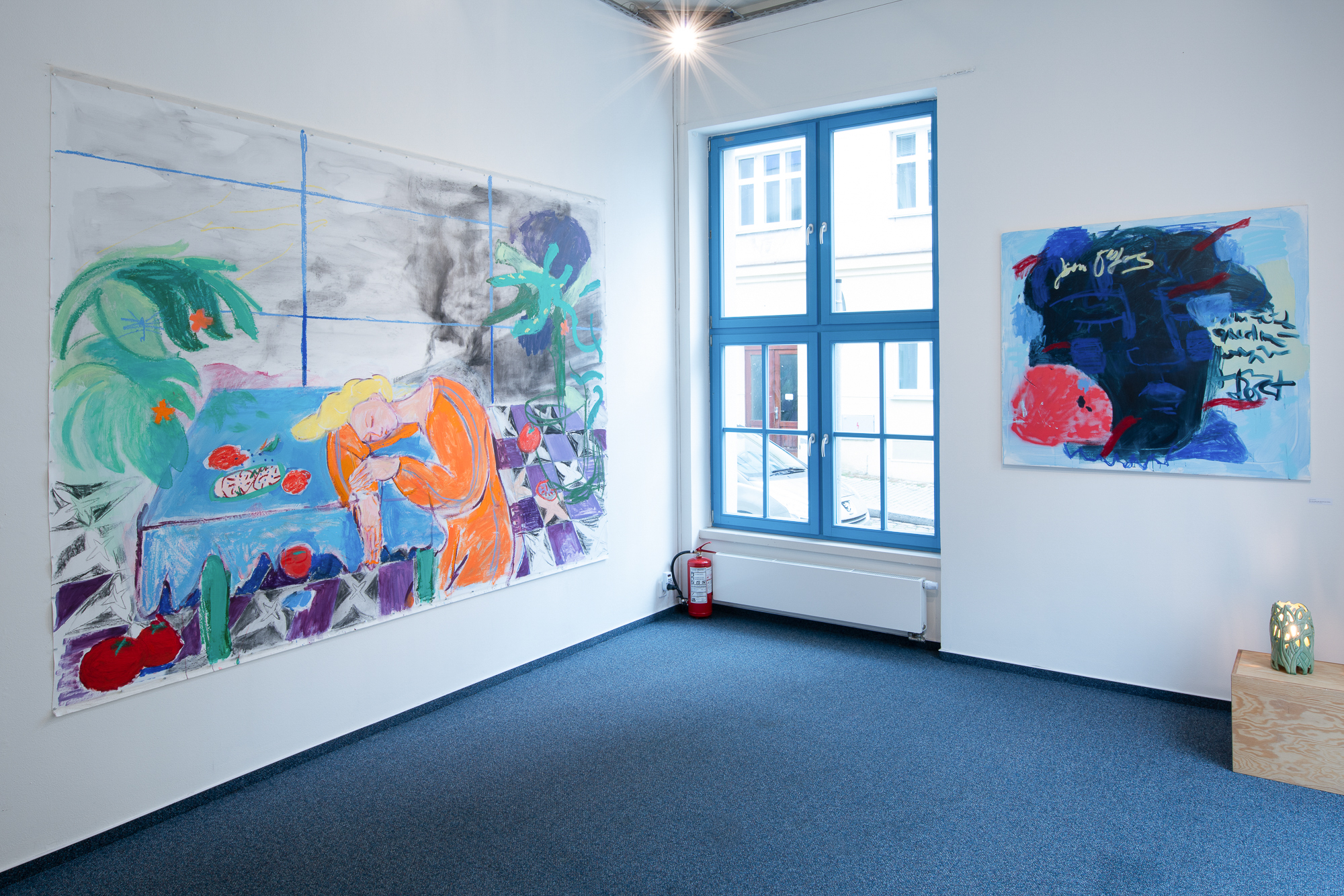
I have a lot, I've had enough is a multi-layered title for us, reflecting how we feel in today’s world. The title invites imagination — it can be seen as the friction of the 21st century’s millstones: on one side, endless possibilities and abundance; on the other, the potential collapse of human civilization.
With humor and exaggeration, the exhibition at Galerie Rohovka reflects ordinary happiness, friendship, and those moments when life feels overwhelming and we would rather leave it all behind.
Which technique did you choose and why, and how do you work with the exhibition space?
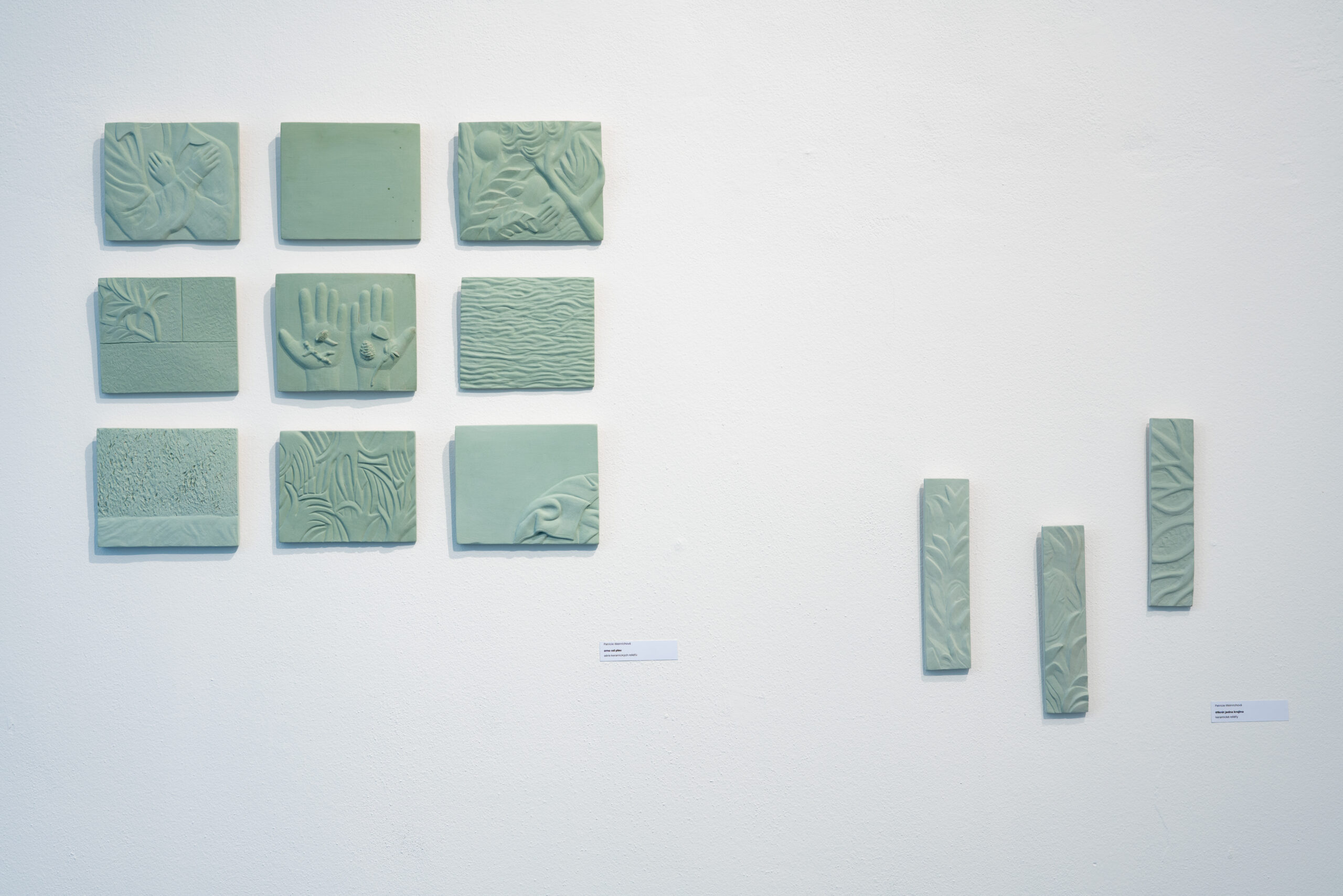
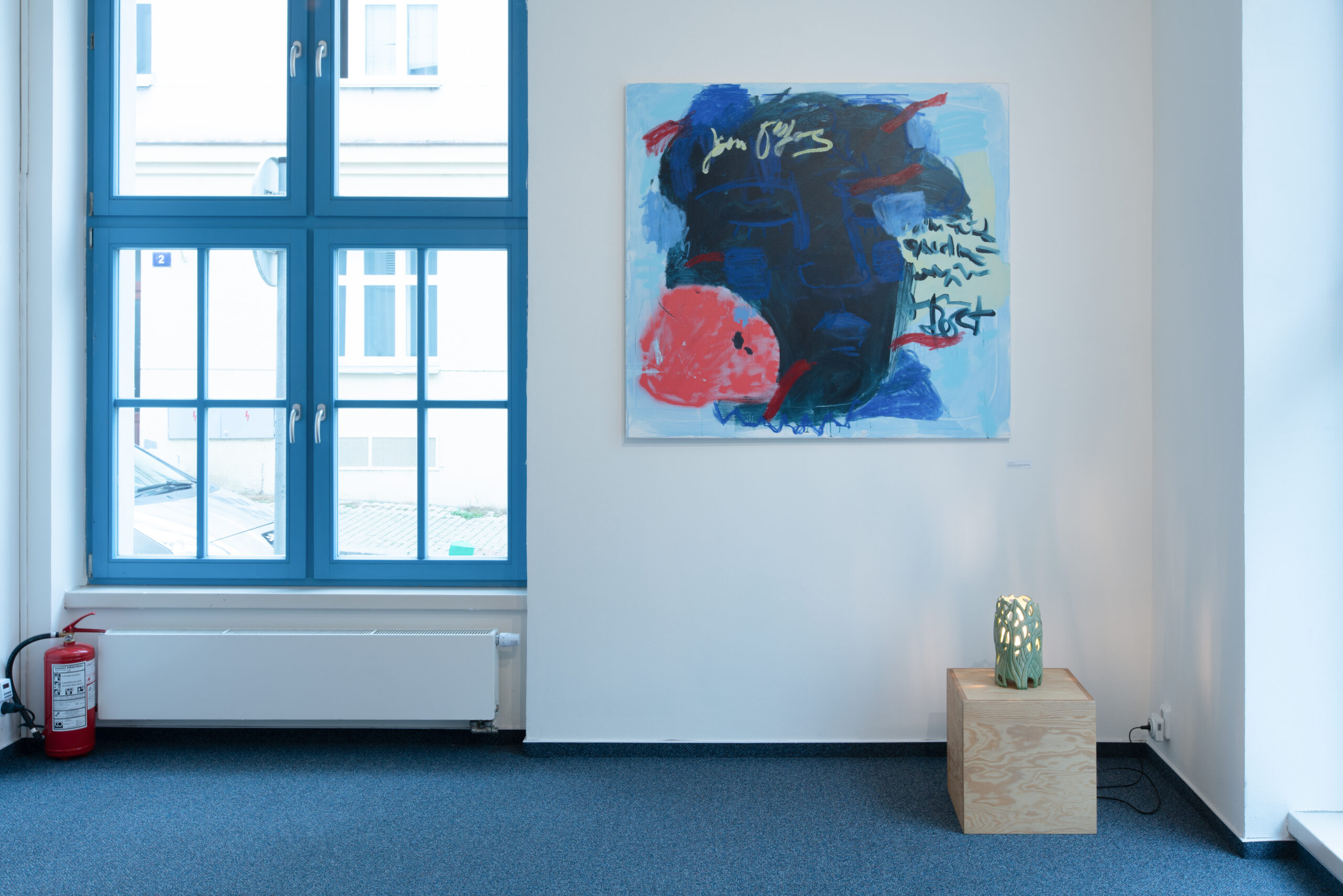
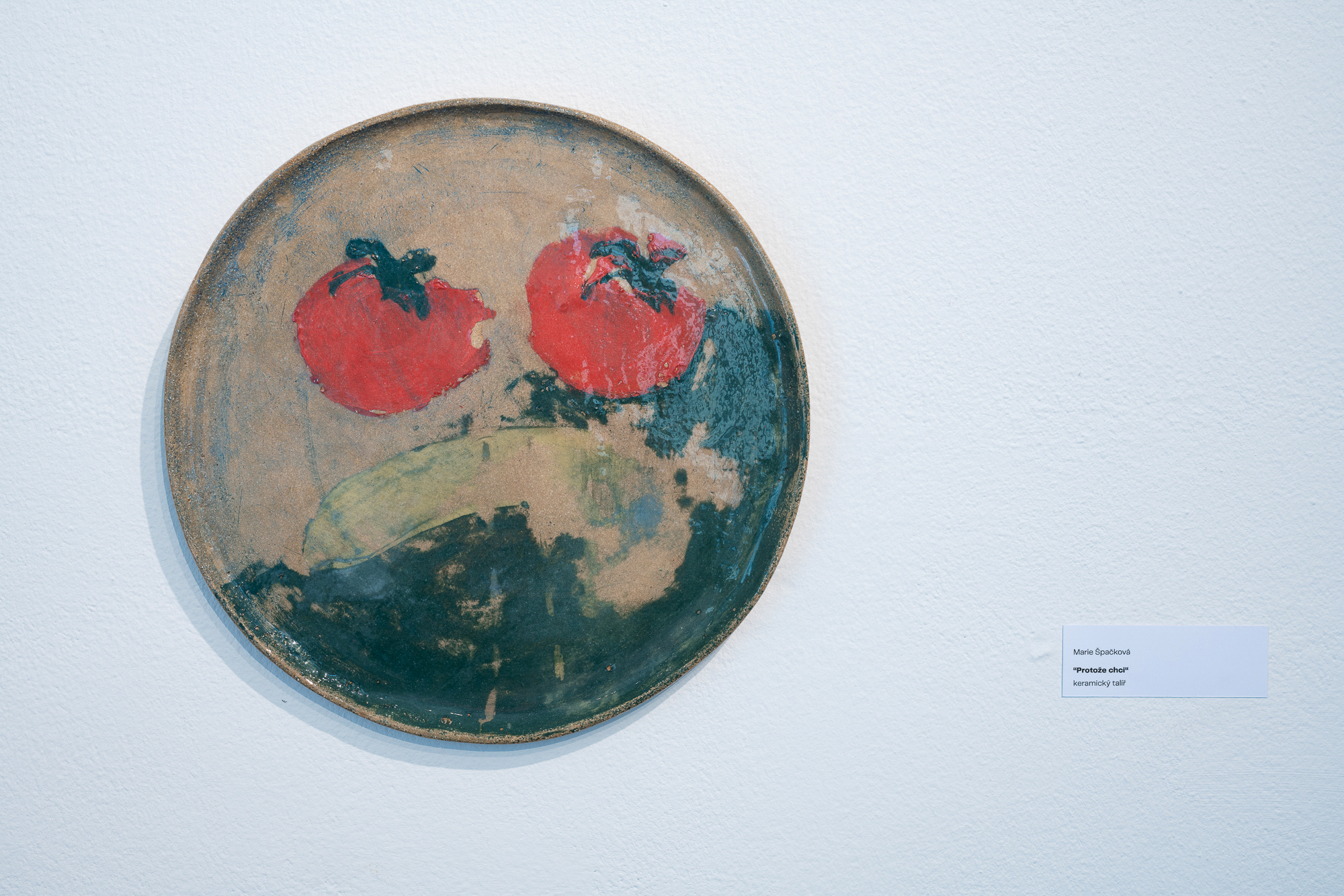
The Rohovka exhibition is unique for us because it marks our first truly collaborative work. While we have had group exhibitions before within the Hilda collective, each of us usually approached the theme individually. This time, we are addressing the theme both conceptually and processually.We decided to create a large-scale collaborative painting, visible even from the street. Ideally, it will be installed directly on the wall facing the main street window, using a mixed-media technique (drawing, painting, etc.). We also intend to use the space as a place for shared creative time. The large wall painting will be complemented by individual works — drawings, reliefs, and smaller paintings. A: I chose acrylic combined with spray and oil pastel (oil stick) on canvas/wall — a three-part combination I developed during my studies at AVU. Layering these media helps me build space in the painting, even if it seems flat at first glance. P: I am creating ceramic reliefs and an object/lamp. I have worked with ceramics for a long time; it is the medium through which I most naturally express myself. Working with form and space is very close to me. Reliefs are ideal for free expression — a way to paint using material. They allow me to step away from functional objects and push the boundaries of clay. I also translate motifs from reliefs into objects, which is why I am making my first lamp for Rohovka to complement the relief series. M: I will complement the collaborative painting with ceramic objects — functional pieces — using tables/plates as work surfaces. My practice is largely ceramic-based, exploring clay, the alchemy of glazing, and the mystery of firing. I start from sketches and texts to clarify themes: need? consumption? functionality? collaboration? fruit? D: My output for Rohovka is not yet fully determined. It could be quick sketches done in limited time, demonstrating the almost endless time pressure of daily life (commuting, waiting in a park, at the supermarket, before sleep…), or a larger drawing developed over a longer period — an opium-inspired hedonistic landscape reflecting escapism as a response to the absurdity of daily reality.
Working as a collective, what does your creation process look like? Although each of us works individually on our own projects, we collectively address exhibition themes, spatial organization, and provide mutual support in our practice. The wall painting at Rohovka will be our first purely collaborative work. We imagine spending two to three intensive, joyful days in the gallery, creating, eating, drinking, and laughing, to manifest the value of friendship and creatively spent time away from the overload of everyday schedules. We will follow a sketch or plan for guidance, while leaving room for spontaneity.
What themes appear in your work? What have you been working on long-term, and why?
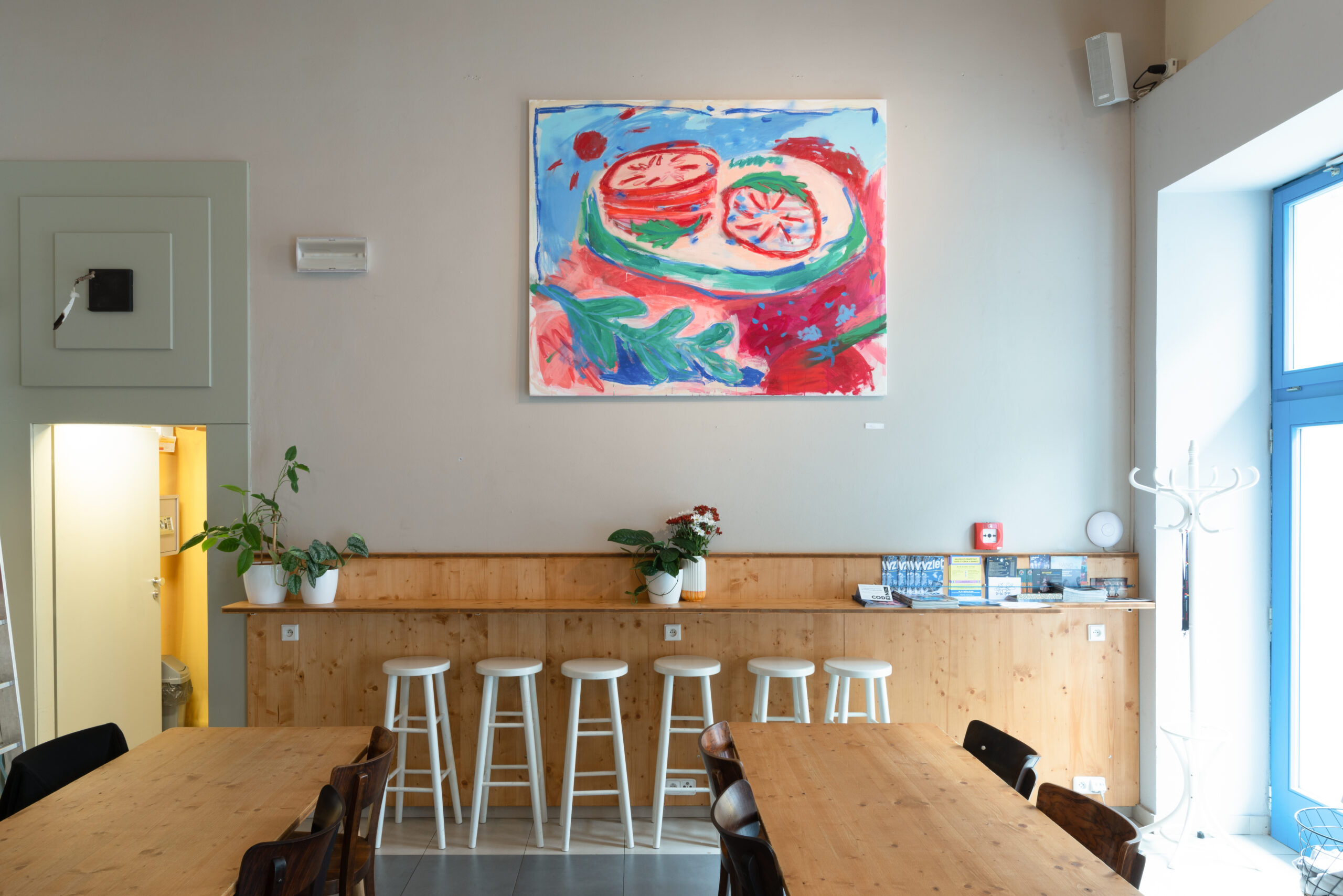
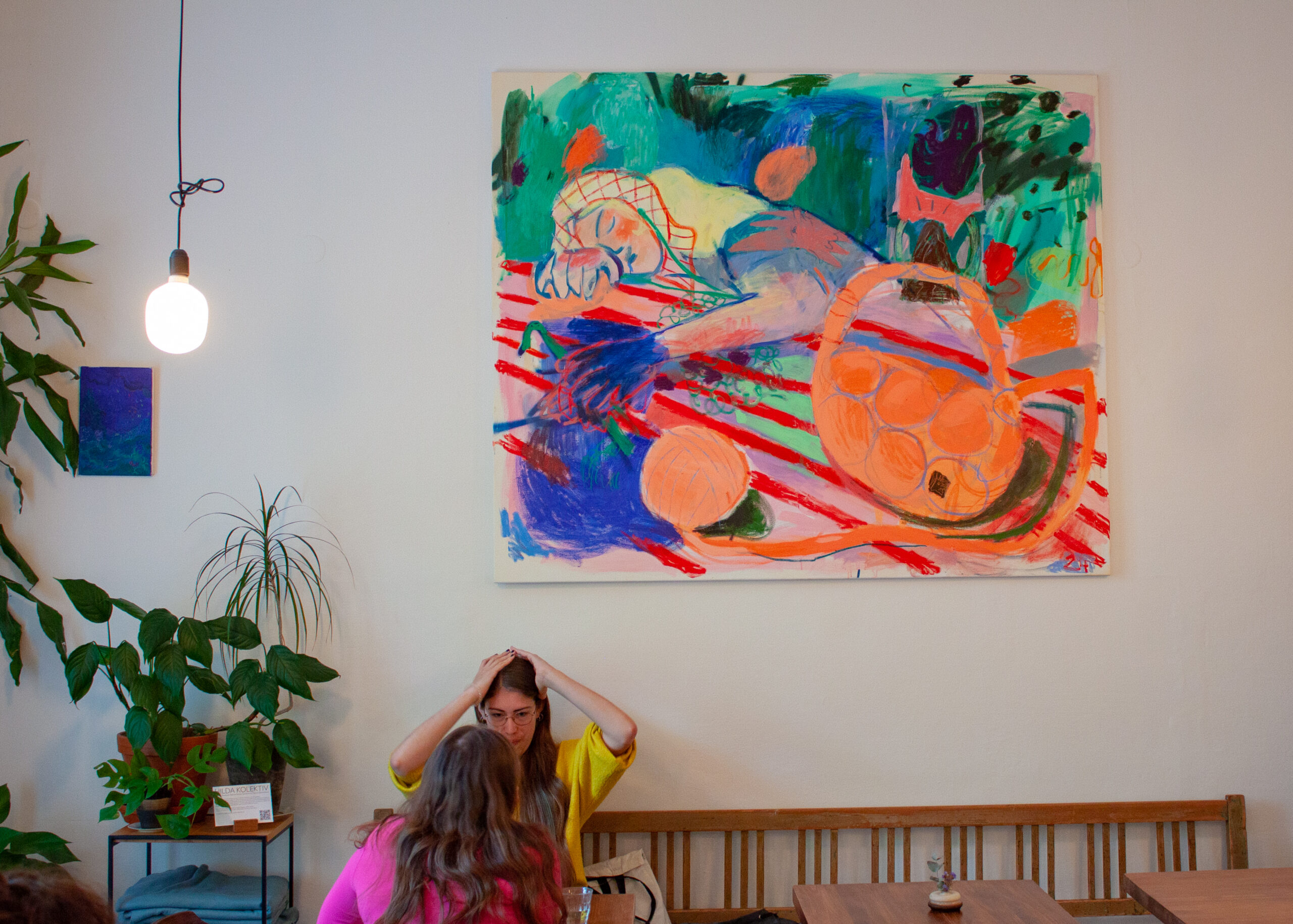
A: I often draw on stories from myths, epics, folktales, superstitions, and even rap subculture lyrics, which I carve and integrate illustratively into paintings. I enjoy humor, irony, and comic brevity. Text is omnipresent; what words cannot say, the image completes. Figures appear casually, often dreaming or reflecting. My work responds to thoughts on the future and economic crisis, interwoven with humor in still lifes (food…). Major influences include Bonnard, Matisse, Baselitz, de Kooning, Basquiat. P: In my practice, I work with personal narratives, exploring separation of body, mind, and soul. I reflect on the pace of urban life, excessive obligations, and long-term stress on physical and mental health. My work emphasizes the importance of connecting with nature and oneself — to perceive oneself as a whole, communicate with the body, trust the soul, and shape the mind. It is also about setting boundaries, learning to say no, and managing the overwhelming abundance of options in life. Collective support and faith, in whatever form, are essential. M: I develop my work from personal texts, thoughts, and observations — seemingly random notes — which I transform into ceramics. I model ideas in clay, color, line, and texture. Themes are constantly updated in the chaotic flow of the information age. D: My work addresses the most pressing questions of the moment, ranging from deeply personal topics like addiction to urgent societal issues, such as the climate crisis, which I experience profoundly.
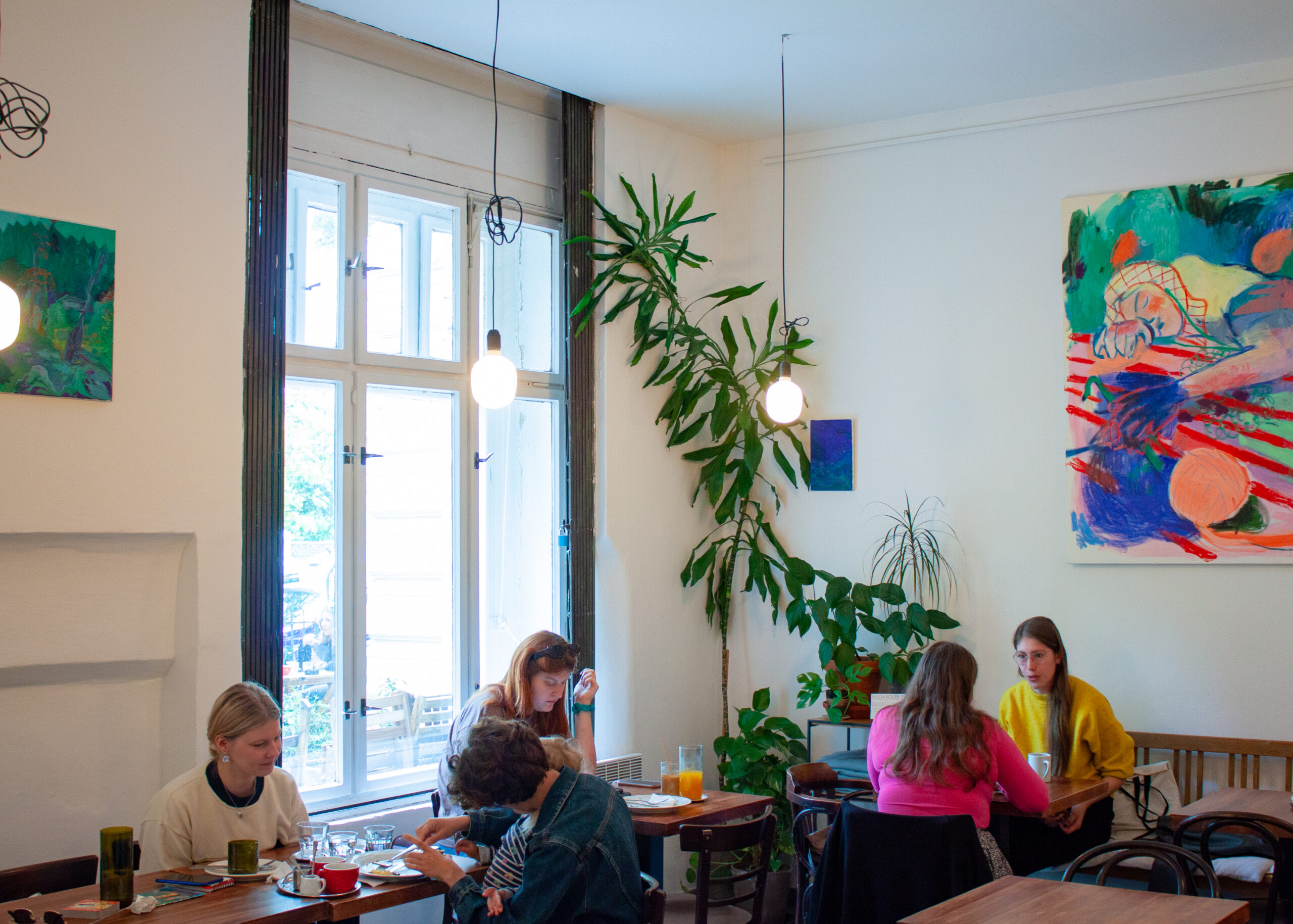
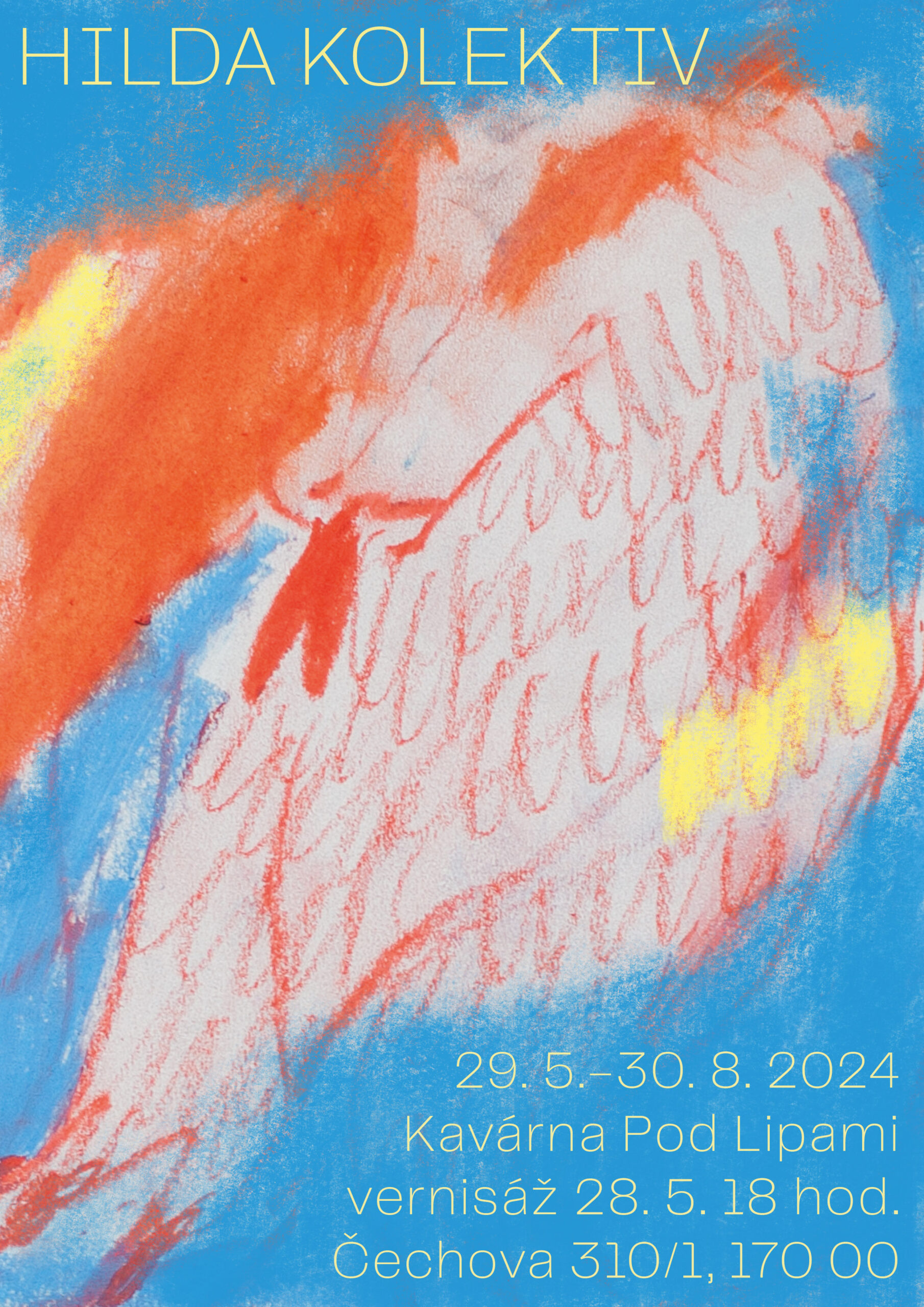
2024 Kavárna pod Lipami, Prague – Letná
EXHIBITION
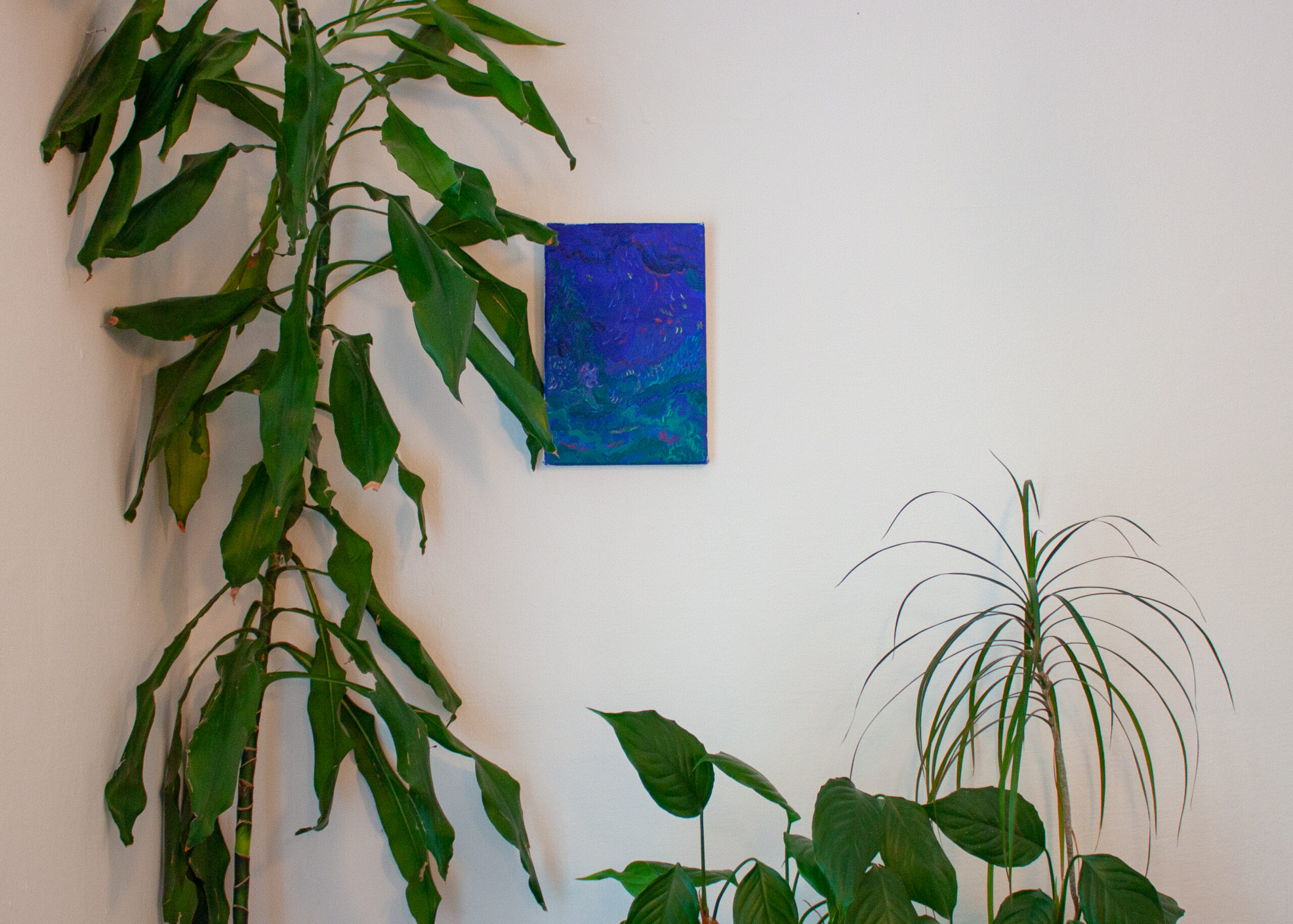
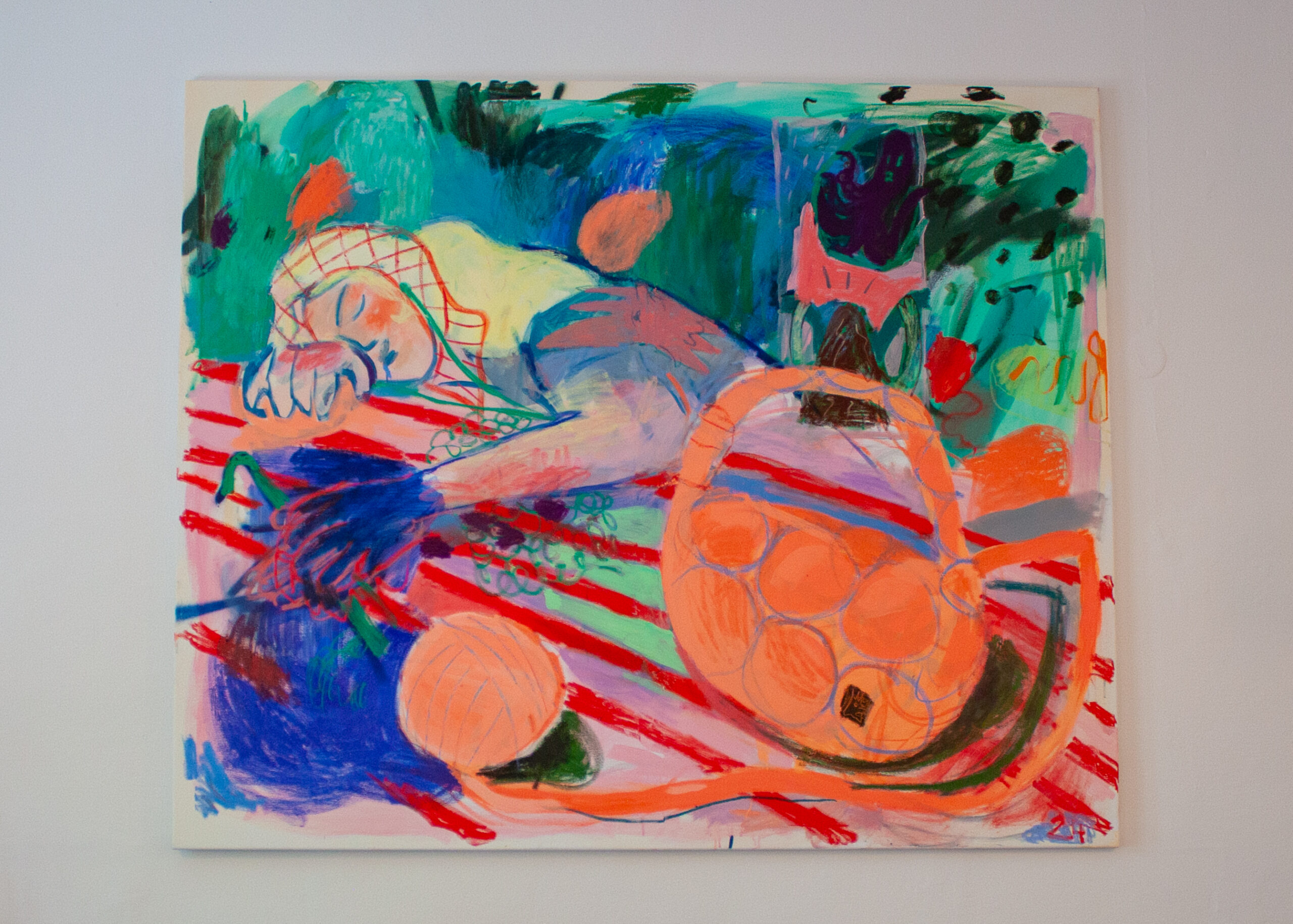
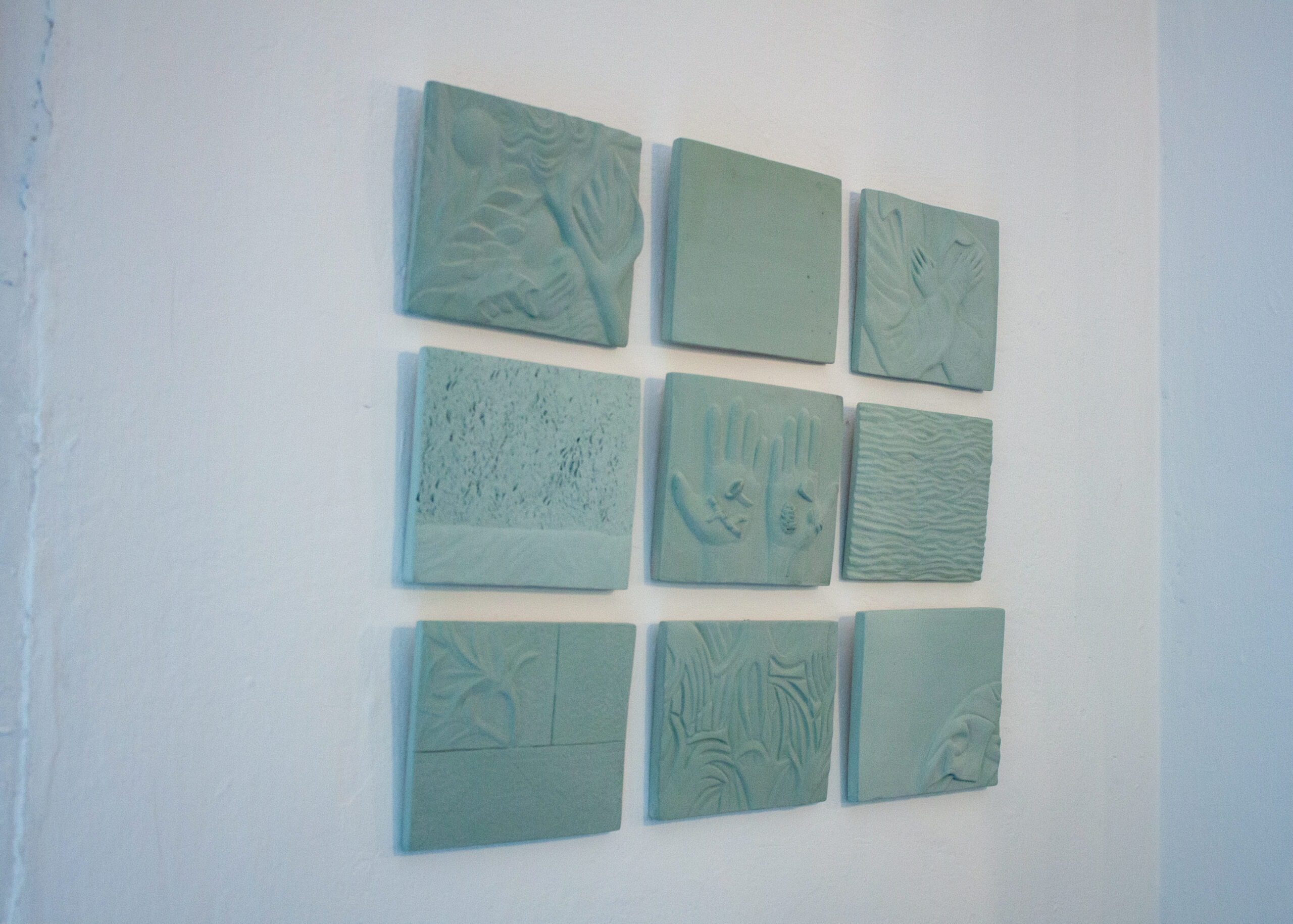
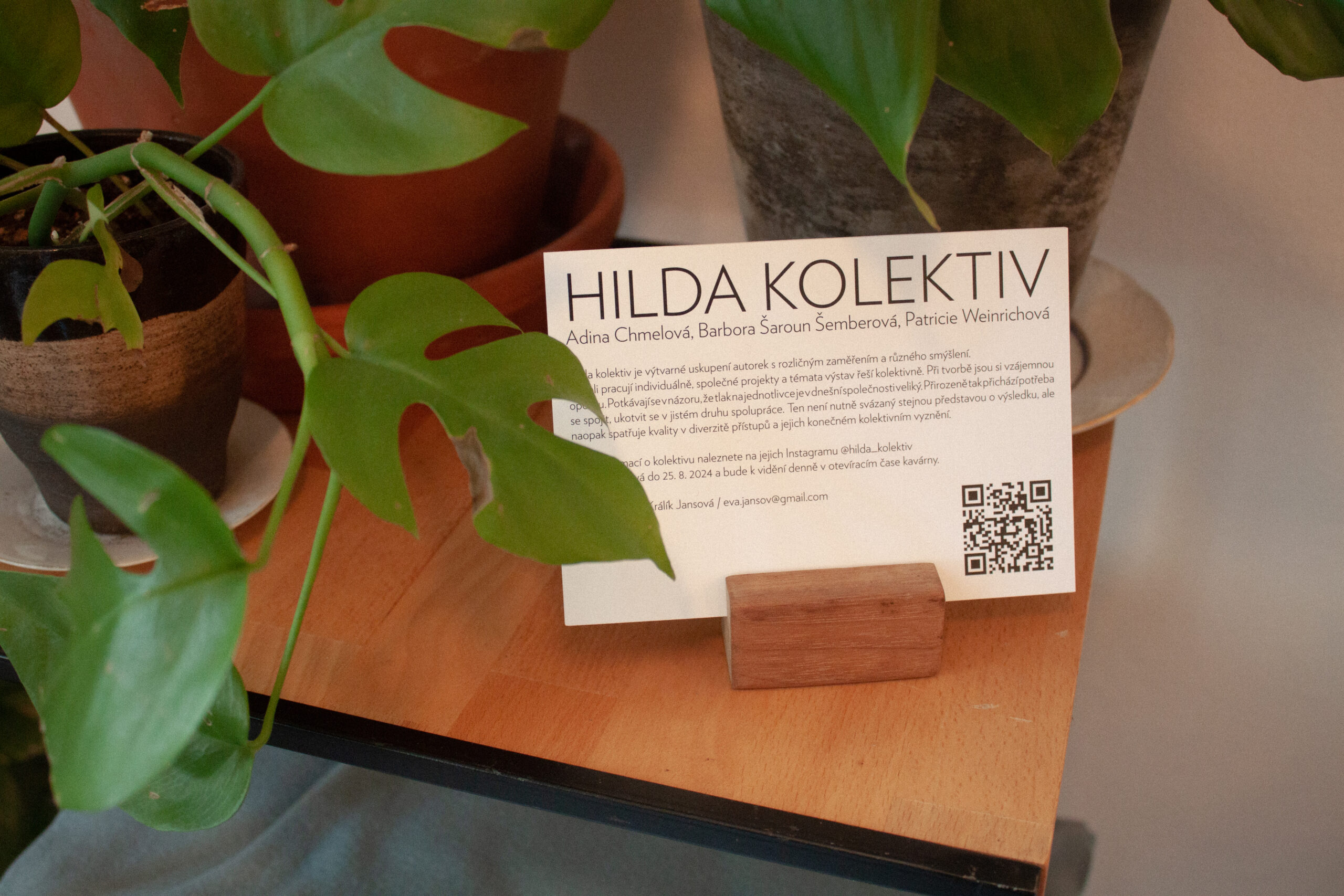
at Kavárna Pod Lipami
2022 39 Gallery, Prague – Žižkov
EXHIBITION
Even Darkness Has Its Dreams
The current exhibition “Even Darkness Has Its Dreams” represents a departure from this way of living and instead focuses on sharing creativity and joy arising from the moments spent together by the Hilda Collective. The members of the collective – Patricie Weinrichová, Marie Špačková, Adina Chmelová, and Dominika Slavická – are connected by long-standing friendship dating back to their studies at the Václav Hollar school, as well as by shared values reflected in their work and the broad range of their activities. It is no coincidence that they chose to name their collective after Hildegard of Bingen – a mystic, poet, writer, healer, and spiritual figure.
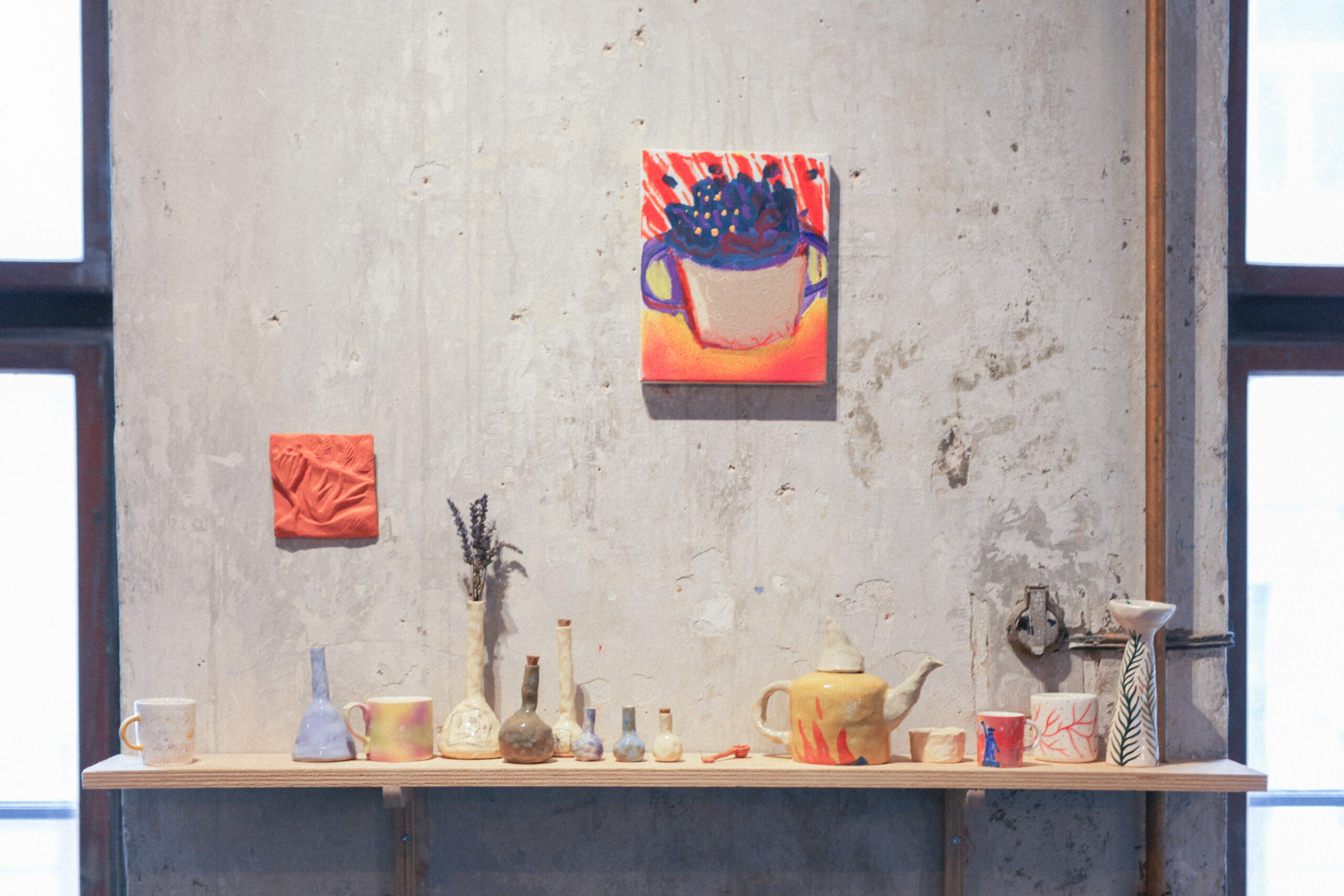
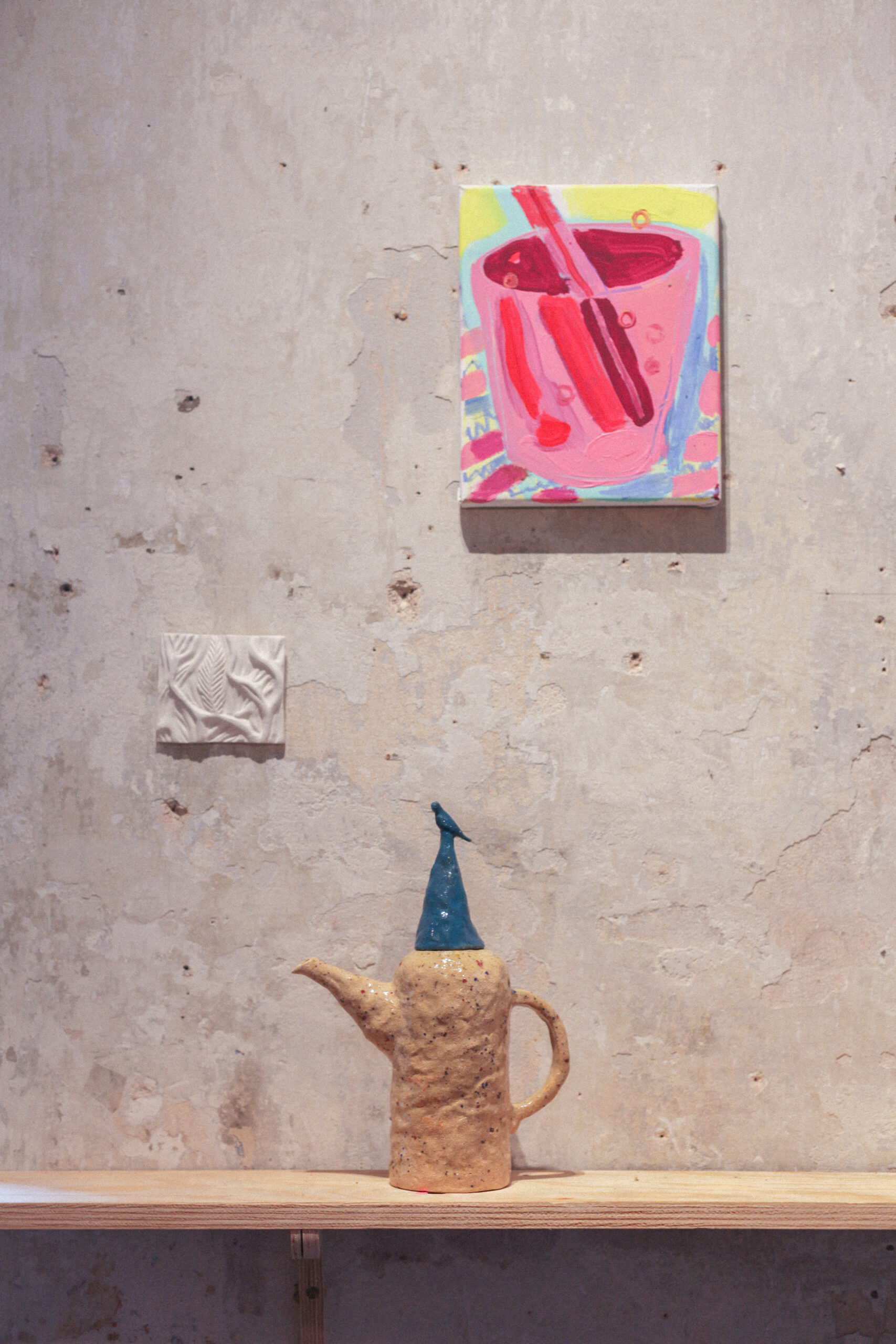
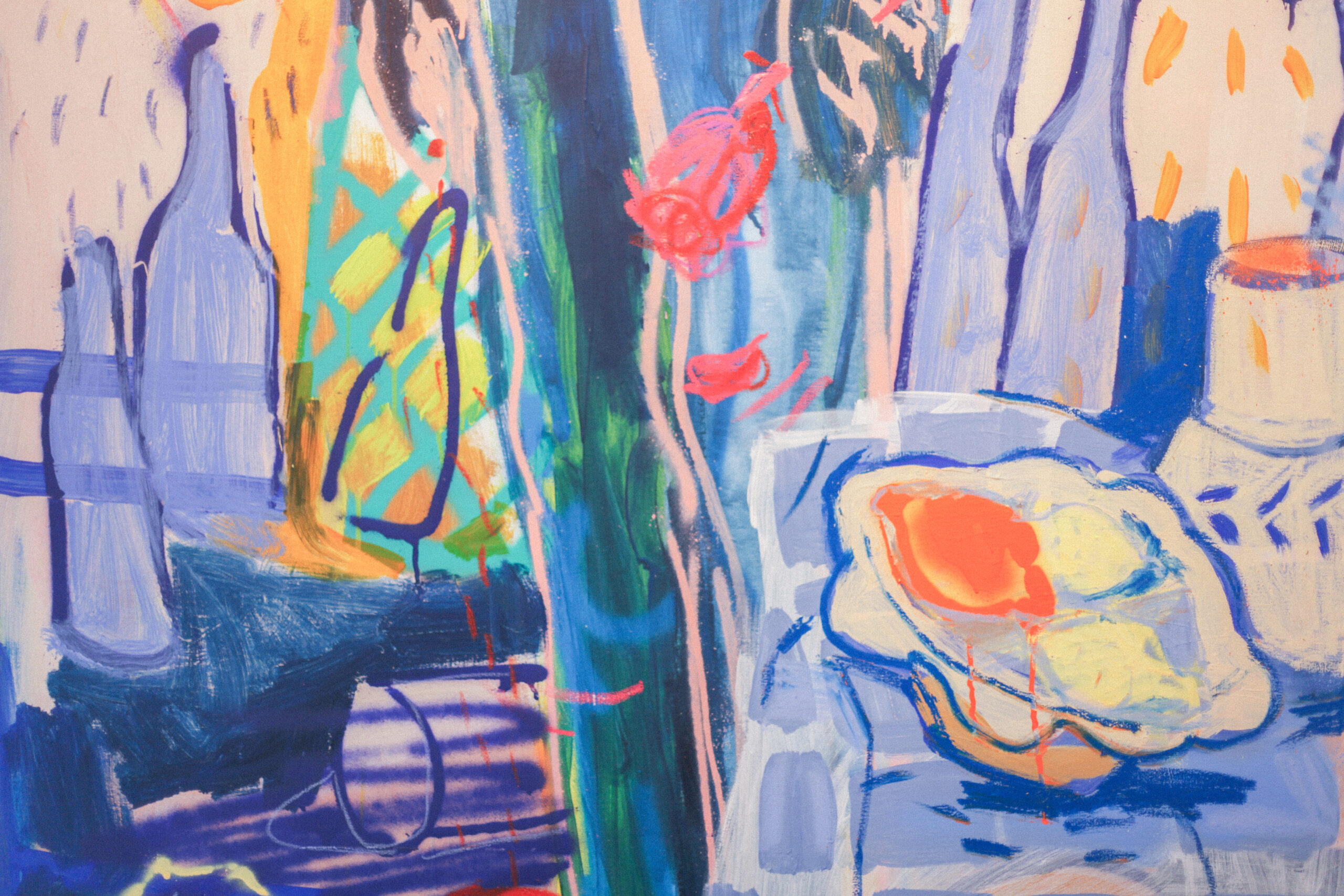
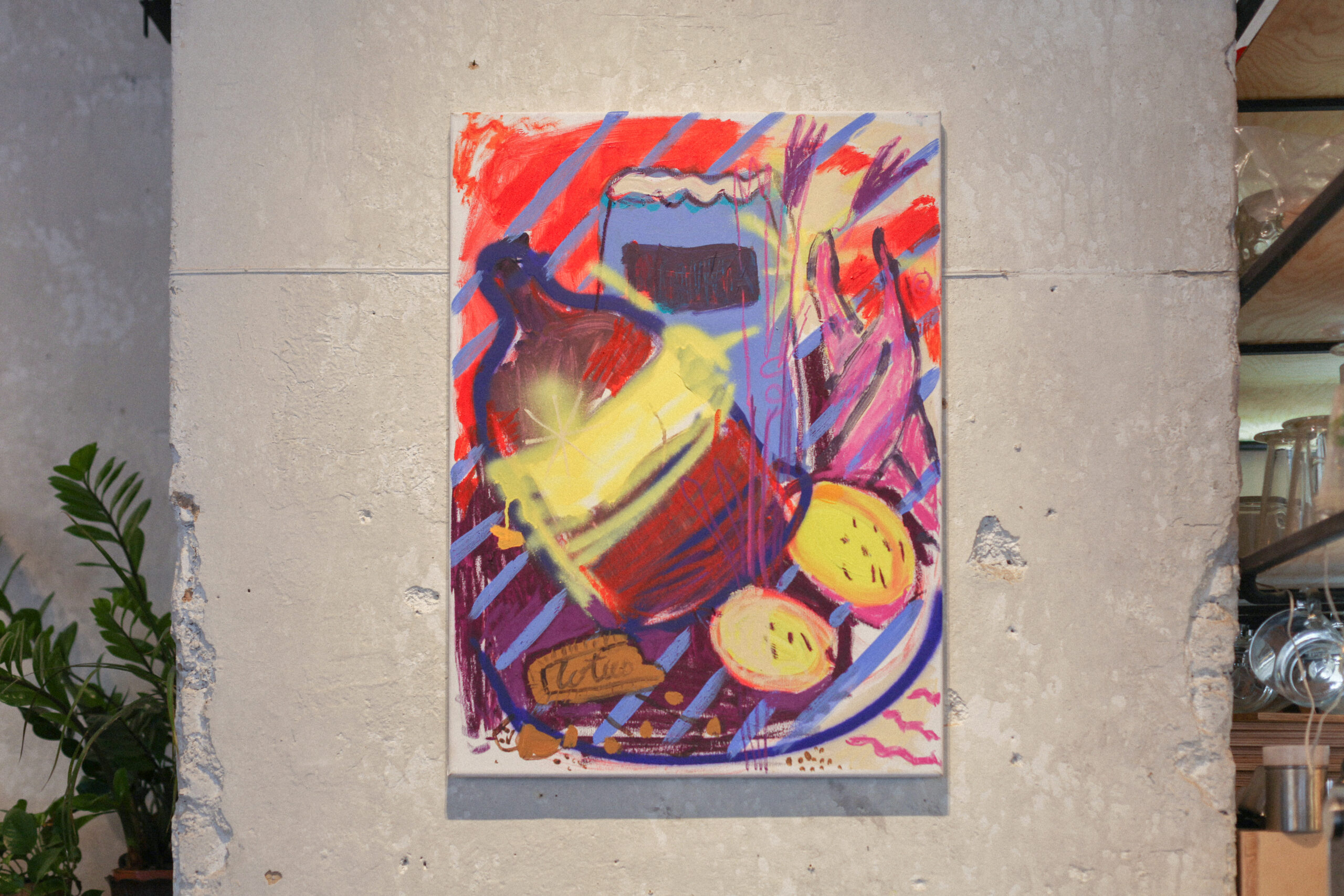
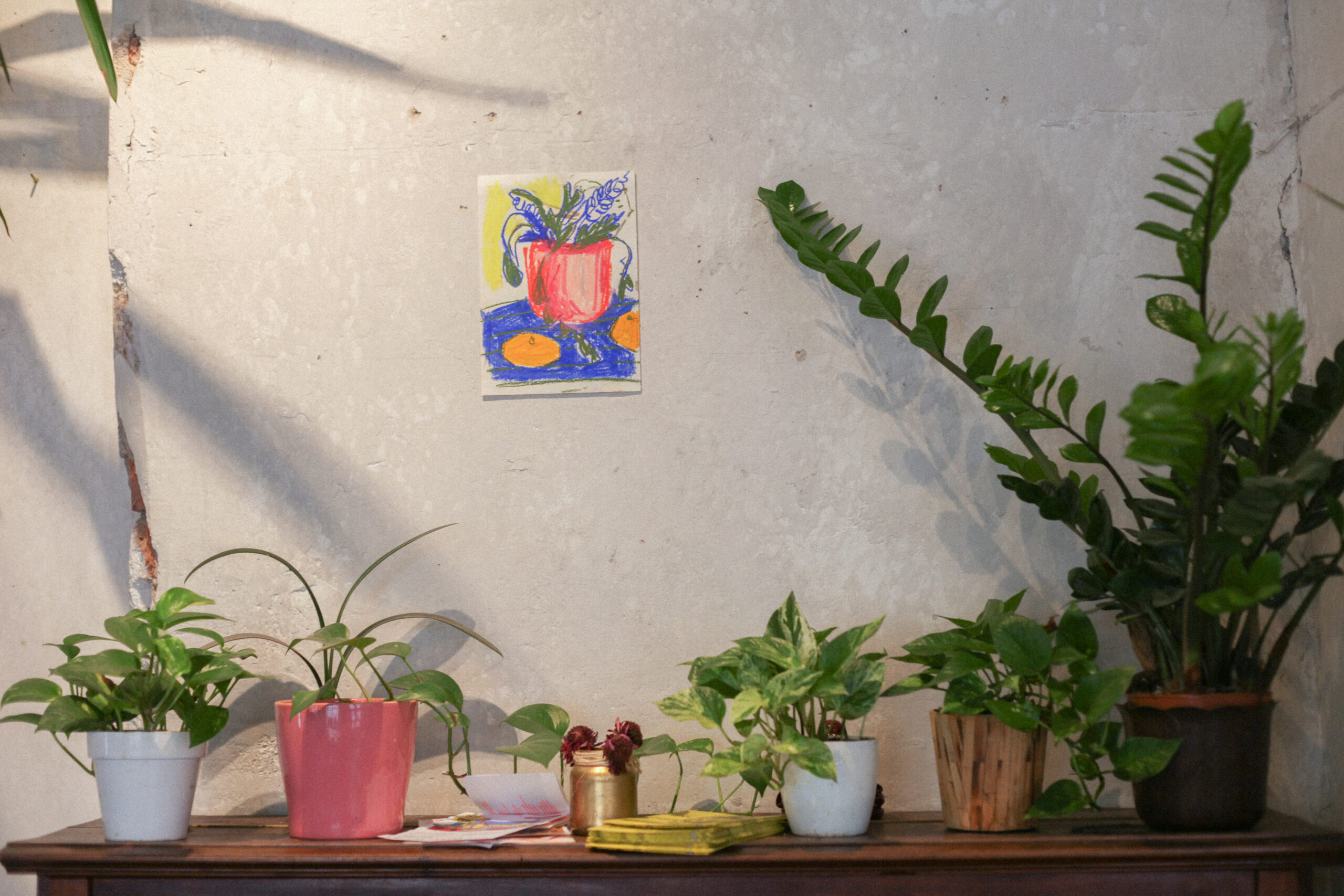
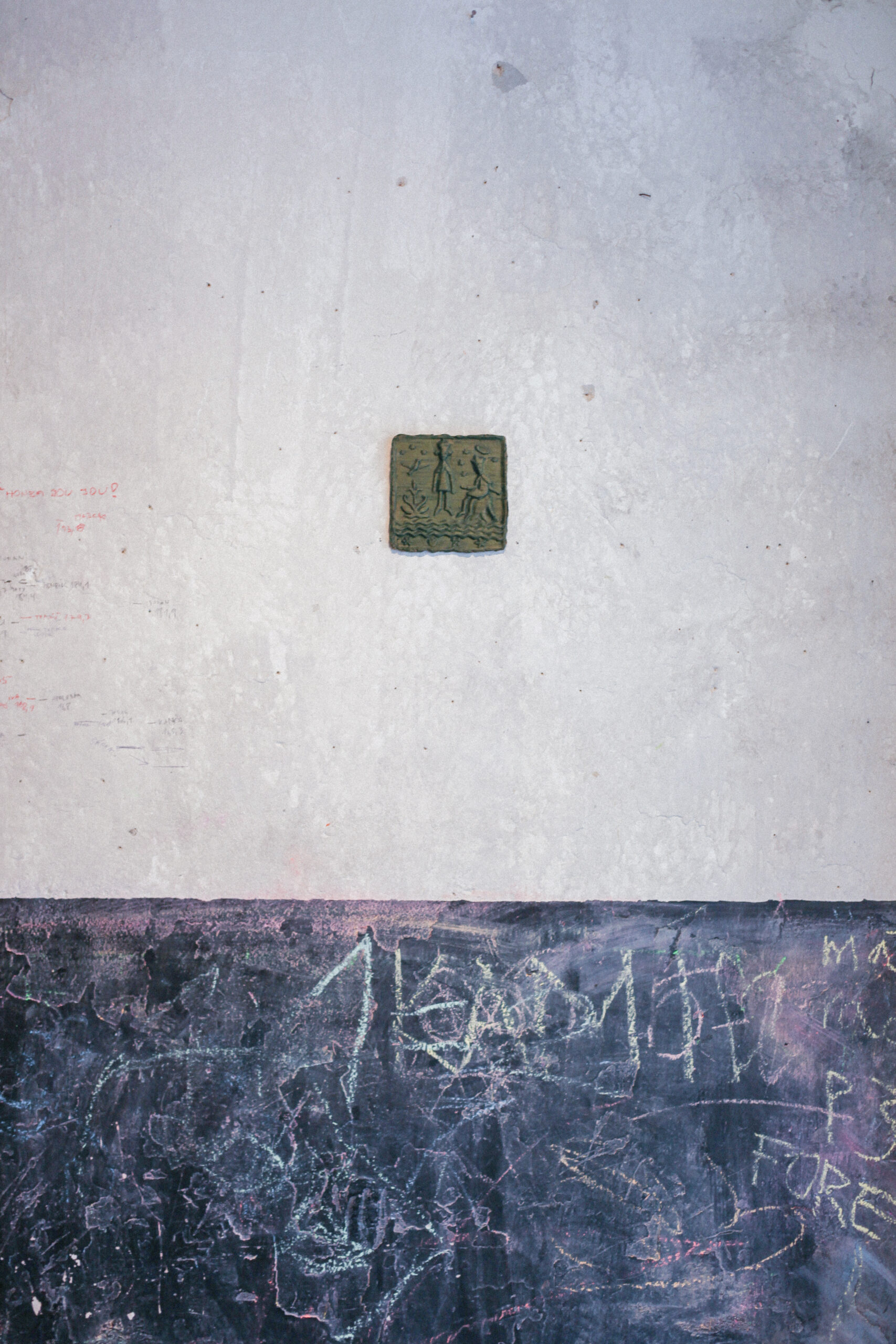
At Prostor 39 they present, in a highly playful manner, installations, large-format canvases, a series of drawings, ceramic objects, and embroidered textiles. Some of them can be easily overlooked – which would be a real shame! So do not hesitate to take a good look around, lift your eyes from your phones and computers, and enjoy the visual experience that the Hilda Collective has prepared for you.
The world around us is constantly changing at an exponential pace. Our success is measured by performance; we are overwhelmed with information we are unable to absorb; we work non-stop because it sounds so tempting and promises to boost our careers. We simply want to have everything and be everywhere. And we want it right now.
text: Prostor 39
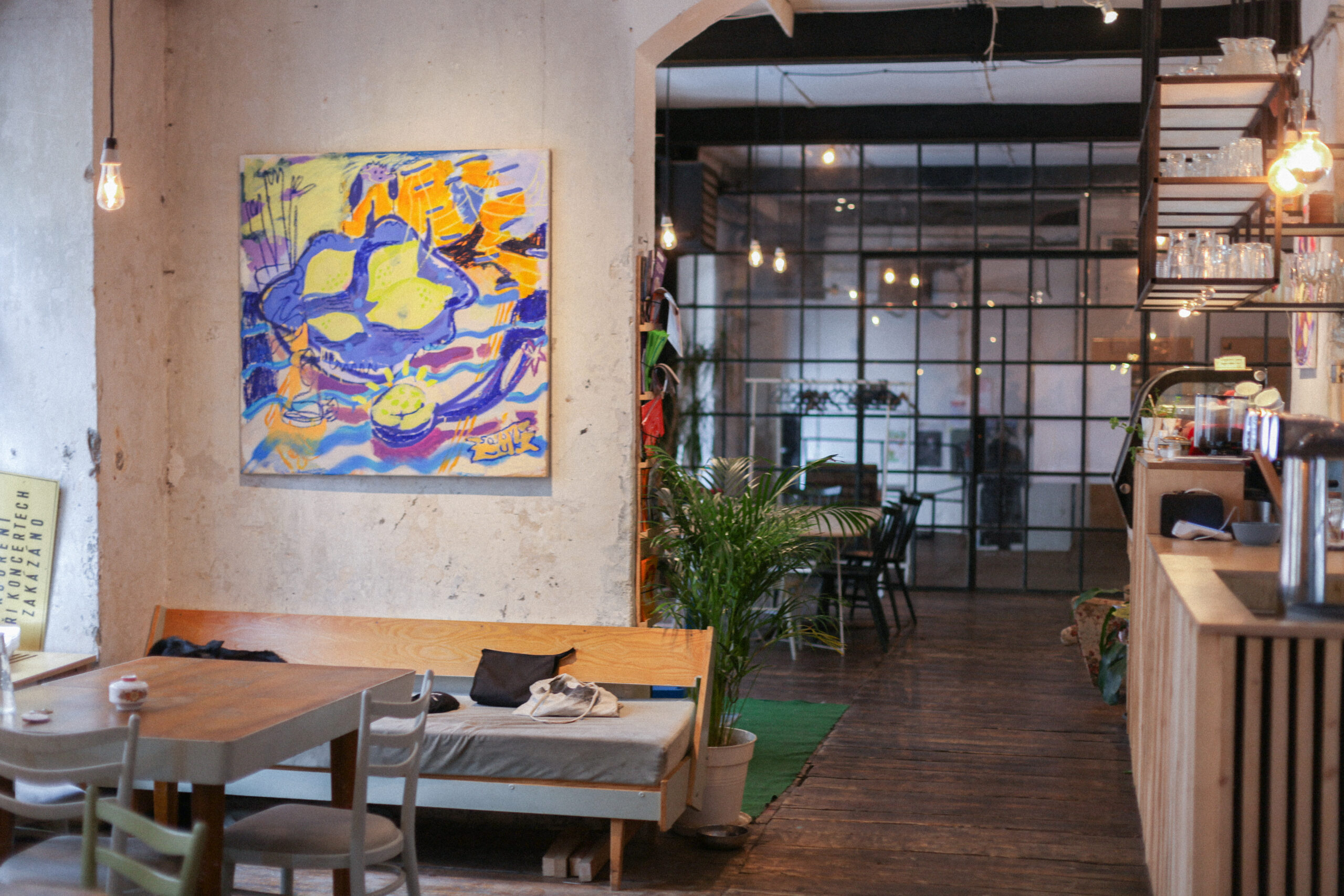
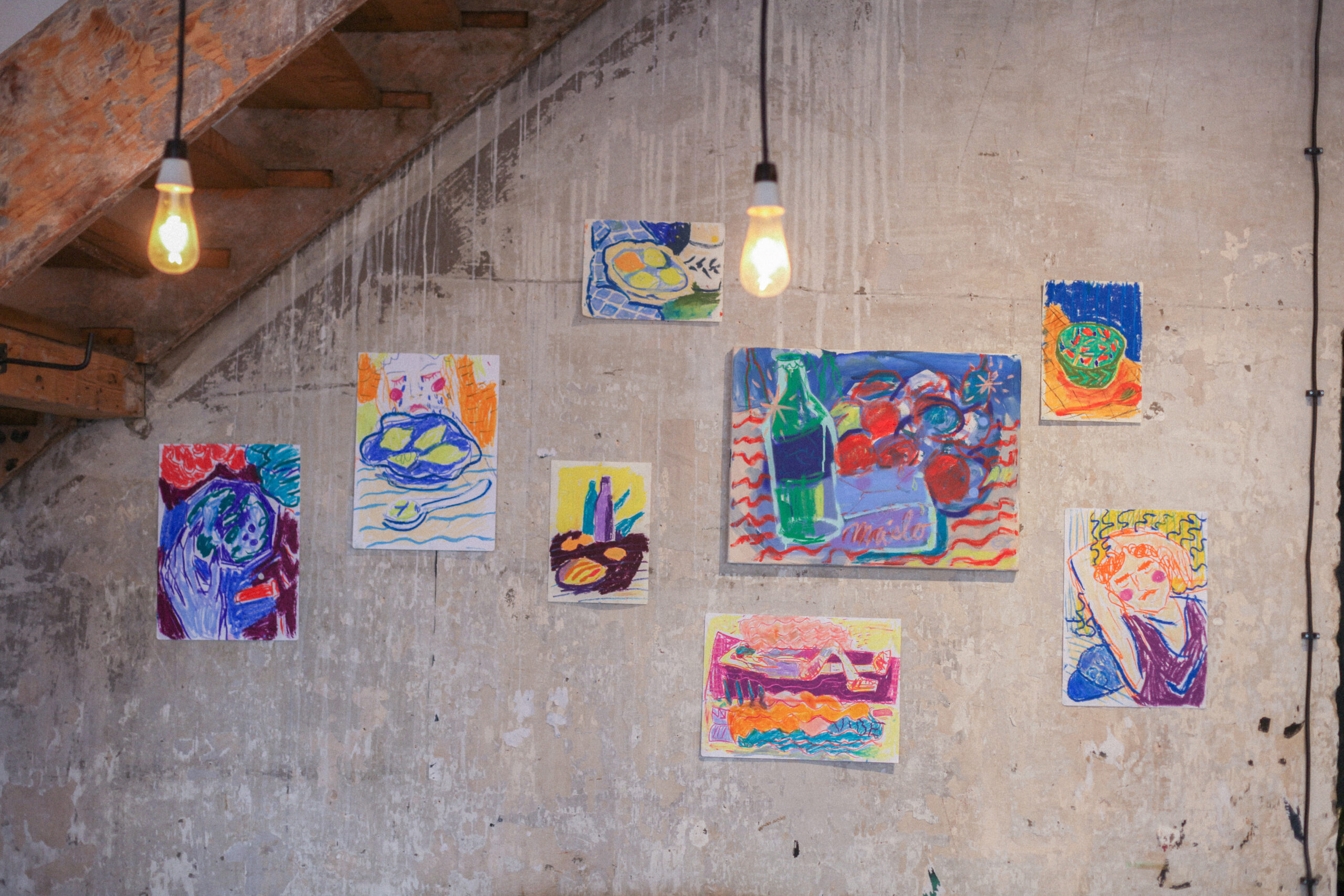
2022 Festival Jinčí čin, Jičín
EXHIBITION
Jinčí čin – Rooms of Fatigue
Our collective is a union of four women, each expressing herself in a different way and thinking differently, yet we come together in a shared critical view of the unsustainability of today’s global societal framework and its emphasis on individuality and personal performance.
Naturally, a need arose to anchor ourselves in a form of collaboration that does not necessarily depend on a shared vision of the outcome, but rather recognizes the value of diversity in approaches and the resonance of their final collective expression.
In this sprawling era of overlapping crises of all kinds, with no visible way out of the ever-intensifying primacy of capital—carrying with it the continuous plundering of the non-human world and the exploitation of labor for its own existence—in the midst of a ceaseless parade of manipulative propaganda, the powerless viewer of this spectacle wearily retreats into the shadows.
They become a wanderer of solitude, venturing no further than the boundaries of their own group, or enclosing themselves within four walls, whose space they steadily fill with images from their inner world. Yet perhaps it does not end in melancholy. From creative effort of any kind, slowly and in small increments, like a rare, living sap, the seed of a rebellious spirit is released—in various forms.
We sense that in order to act, it is necessary to shed, at least for a while, the omnipresent and uncompromising mantra of productivity. We increasingly feel the urgent need to carve out time for self-care, which includes, among other things, an emphasis on the quality of one’s private space.
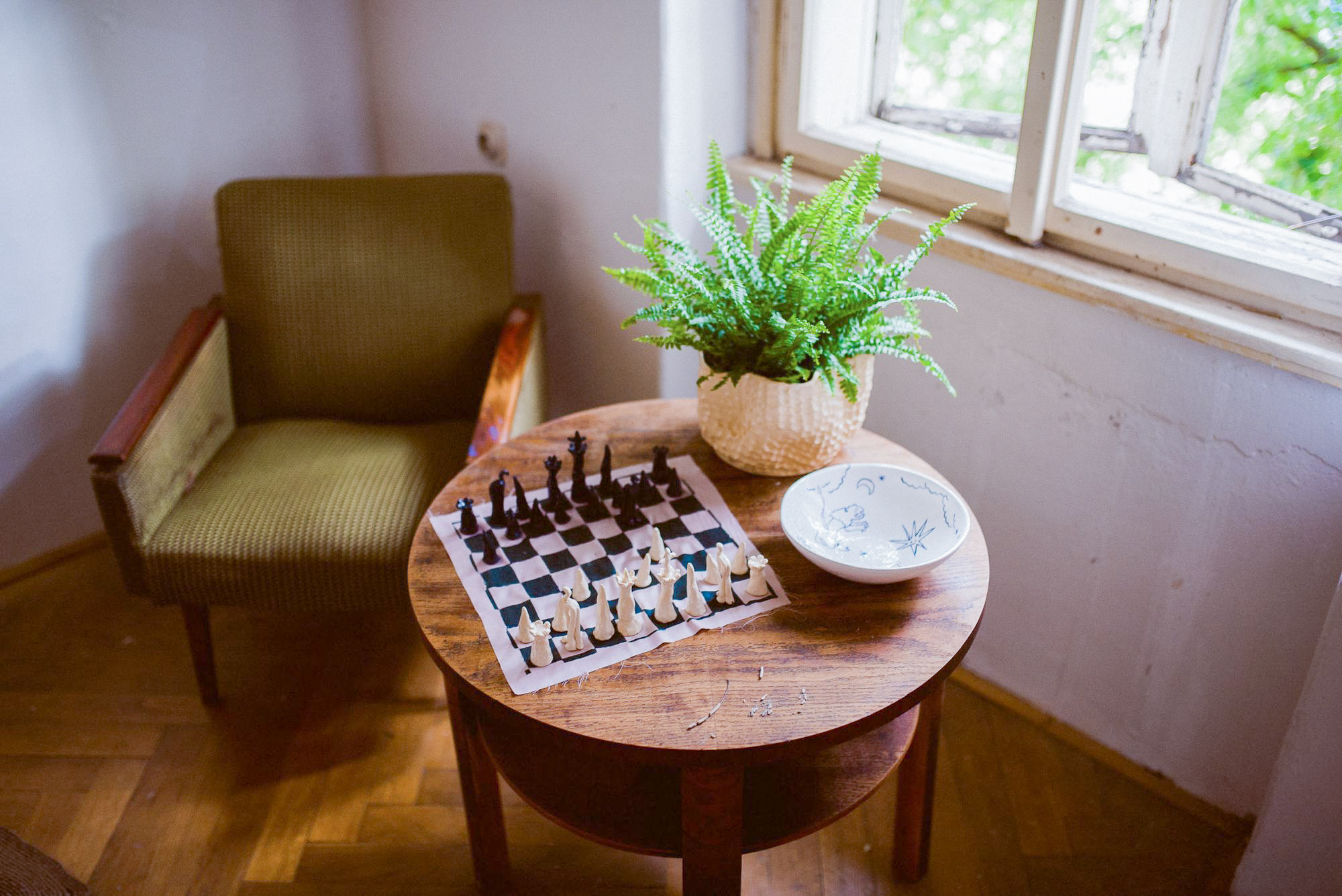
/How important are the objects that surround us during our daily rituals?/